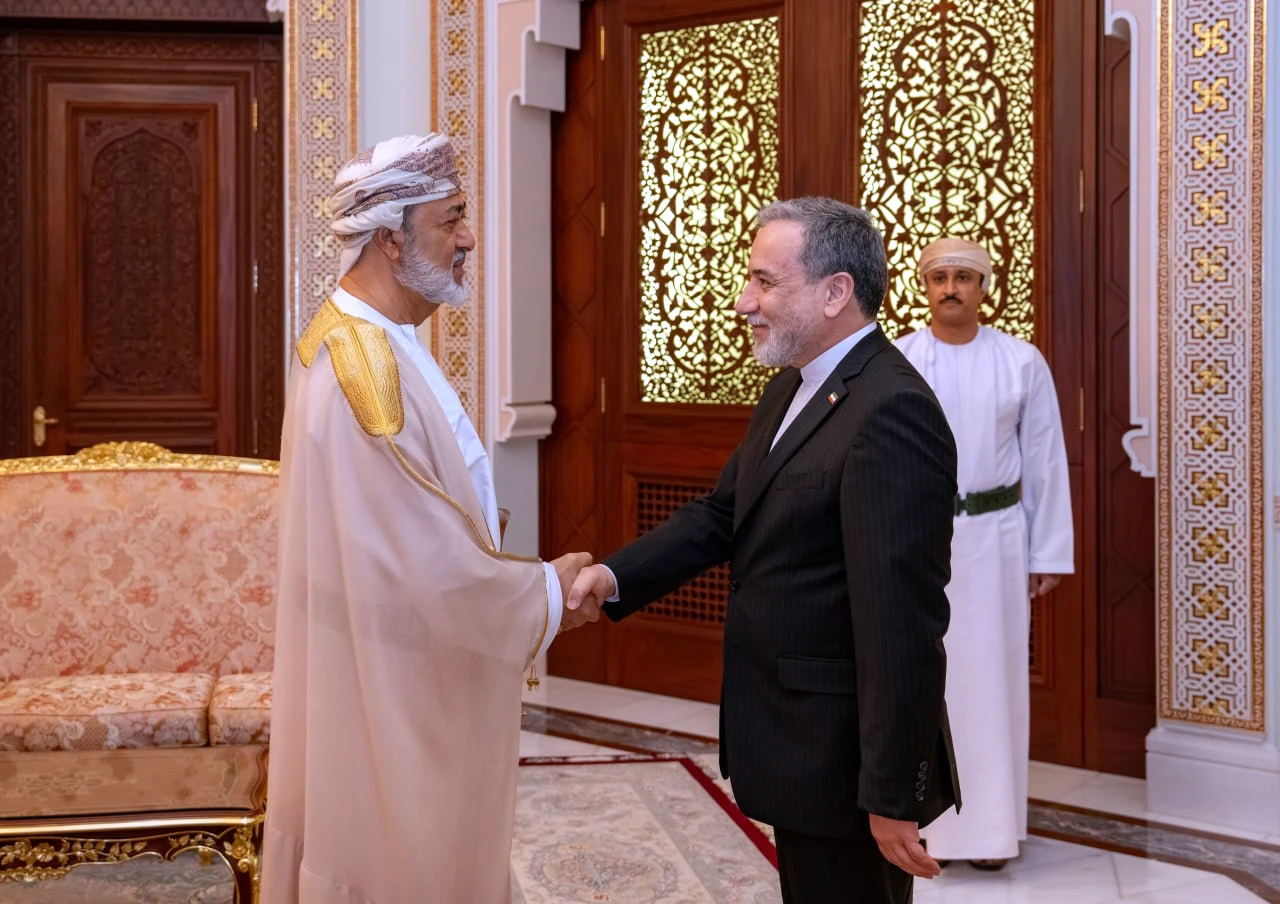
Iranian Foreign Minister Abbas Araghchi, speaks during a bilateral meeting between Switzerland and Iran, in Geneva, Switzerland, Feb. 17, 2026
Fresh diplomatic efforts to revive stalled Trump Iran talks are moving to Islamabad, where U.S. envoys are expected to meet intermediaries after Tehran ruled out direct discussions with American officials. The renewed outreach comes during a fragile ceasefire that has reduced battlefield violence but failed to ease broader economic and regional tensions.
Islamabad Becomes Center of Trump Iran Talks
Pakistan has emerged as a key mediator as Washington and Tehran search for a path back to negotiations. U.S. officials confirmed that President Donald Trump is dispatching senior envoys Steve Witkoff and Jared Kushner to Pakistan for discussions linked to Iran’s foreign minister, Abbas Araghchi.
However, shortly after arriving in Islamabad, Iranian officials made clear that any contact with the United States would remain indirect. Instead of face-to-face meetings, Pakistani representatives are expected to shuttle messages between both sides.
This arrangement reflects continuing mistrust after previous talks in Geneva failed to produce a breakthrough. Those earlier discussions focused on Iran’s nuclear program but ended without agreement, shortly before military conflict erupted.
Ceasefire Holds but Tensions Remain
Although an open-ended ceasefire has paused much of the recent fighting, the situation remains tense across the region. Diplomatic efforts gained urgency after Pakistan requested more time for negotiations, prompting Trump to extend the truce.
The White House has suggested there are signs of movement from Iran in recent days, though officials have not detailed what concessions or proposals may be under consideration.
While active combat has declined in some areas, the ceasefire has not resolved the underlying disputes that triggered the conflict. That has left negotiators racing to convert the temporary pause into a broader political settlement.
Energy Markets Feel Pressure from Strait Disruption
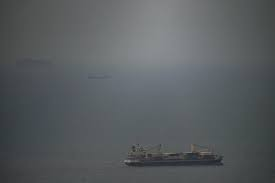
The Trump Iran talks are unfolding against the backdrop of continuing disruption in the Strait of Hormuz, one of the world’s most critical shipping routes. Traffic restrictions and security incidents in the waterway have strained global oil and gas flows.
In response, Trump extended a Jones Act waiver for 90 days, allowing foreign vessels to more easily transport energy supplies to the United States. The measure is aimed at stabilizing prices and easing supply bottlenecks caused by regional instability.
Oil markets reacted cautiously, with crude prices retreating slightly but remaining far above pre-war levels. Analysts say prolonged disruption in the strait could continue to affect shipping routes and global trade far beyond the Middle East.
Human Cost of Conflict Continues to Rise
Even with reduced fighting, the humanitarian toll of the war continues to grow. Thousands of people have reportedly been killed in Iran, while heavy casualties have also been recorded in Lebanon, Israel, and other nearby states.
Peacekeeping forces have also suffered losses, underlining the wider dangers posed by an unstable ceasefire. The conflict’s reach has extended across borders, affecting civilians, military personnel, and international missions alike.
These mounting losses add pressure on negotiators to secure more durable agreements before violence resumes on a larger scale.
Lebanon Remains a Flashpoint
Alongside the Trump Iran talks, another delicate truce involving Israel and Lebanon remains in place. Trump recently announced a three-week extension to Despite the extension, military exchanges have continued. Israel reported intercepting drones launched from Lebanon, while Hezbollah claimed to have downed an Israeli drone near the southern city of Tyre.
These incidents highlight how quickly regional tensions could reignite, even as diplomatic channels remain active.
Trump Iran Talks Face Difficult Road Ahead
The latest Trump Iran talks in Islamabad offer a possible opening, but the path to a lasting deal remains uncertain. Indirect communication, unresolved security disputes, and growing economic strain all complicate progress.
For now, diplomacy has created breathing room through ceasefires and backchannel contacts. Whether that momentum can translate into a broader settlement will likely determine the next phase of an already volatile regional crisis.the ceasefire between Israel and Hezbollah, though the militant group has not directly joined U.S.-brokered diplomacy.