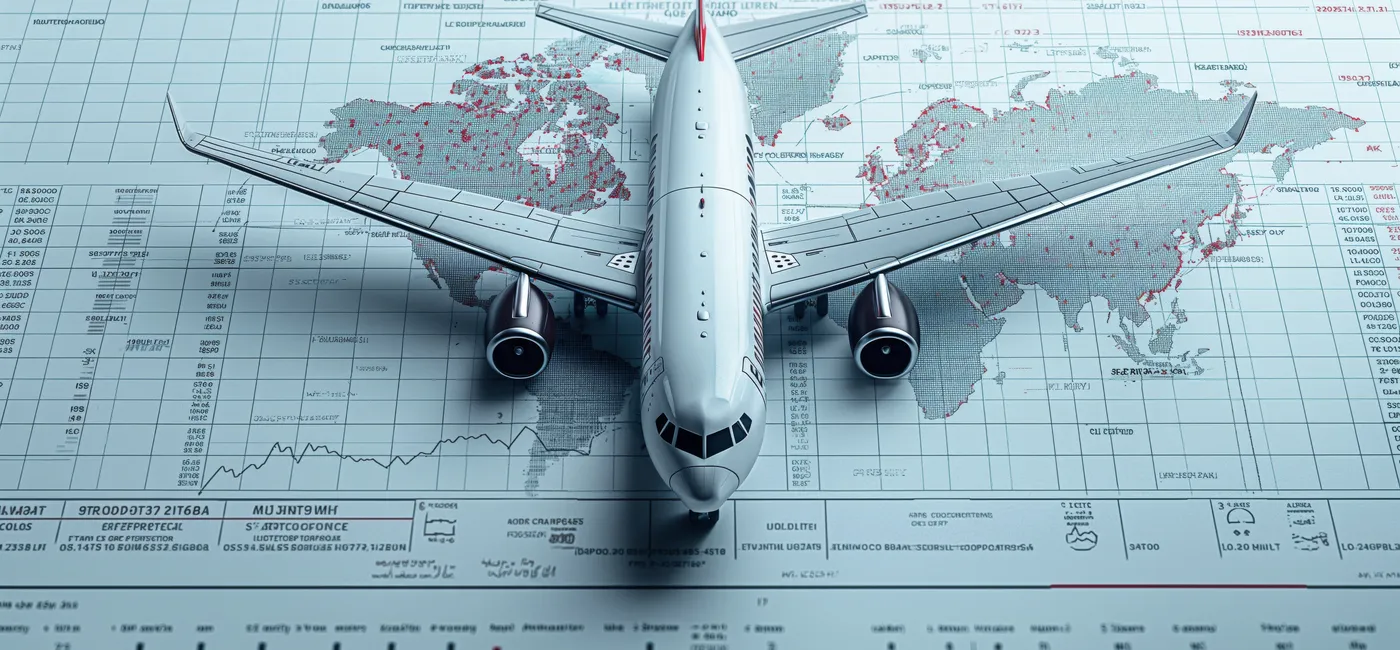
A small model aircraft rests on top of global economic charts, highlighting the close link between air travel and worldwide financial trends. Adobe
Air travel demand climbed to record levels in 2025 as millions of people returned to the skies across the world. New figures released by the International Air Transport Association show that passengers travelled more than ever before, driven mainly by strong international trips. Despite the surge, airlines faced growing pressure from aircraft shortages and environmental goals.
Demand rises faster than systems can cope
According to the data, airlines struggled to keep up with the rising number of travellers. Willie Walsh said the sharp increase in demand highlighted two major problems that continue to affect the industry.
“...The strong and continuous increase in demand puts into sharp focus two key challenges—decarbonization and supply chain,” Walsh said. He stressed that cutting emissions remains key to the industry’s long-term future and urged governments to support policies that help expand cleaner fuel production.
Supply problems hit airlines hard
Walsh said supply chain problems caused the most trouble in 2025. Airlines waited longer than expected for new aircraft and engines. Maintenance delays and higher costs added further strain.
“The second, supply chain challenges, was the biggest headache for airlines in 2025,” he said. “People clearly wanted to travel more, but airlines were continually disappointed with unreliable delivery schedules for new aircraft and engines, maintenance capacity constraints, and resultant cost increases that are estimated to exceed $11 billion.”
To handle demand, airlines kept older planes flying longer and filled more seats on each flight. Passenger loads reached nearly 84 per cent.
“Airlines scrambled to accommodate the demand by keeping aircraft in service longer and filling more seats on every flight,” Walsh said. “With load factors just shy of 84%, it's clear that these measures were an effective band aid, but we need a real solution.”
He added that the industry hopes 2026 will bring improvement as new aircraft enter service.
December closes the year strong
The year ended on a high note. In December 2025, global air travel demand rose 5.6 per cent compared to the same month in 2024. International travel jumped 7.7 per cent.
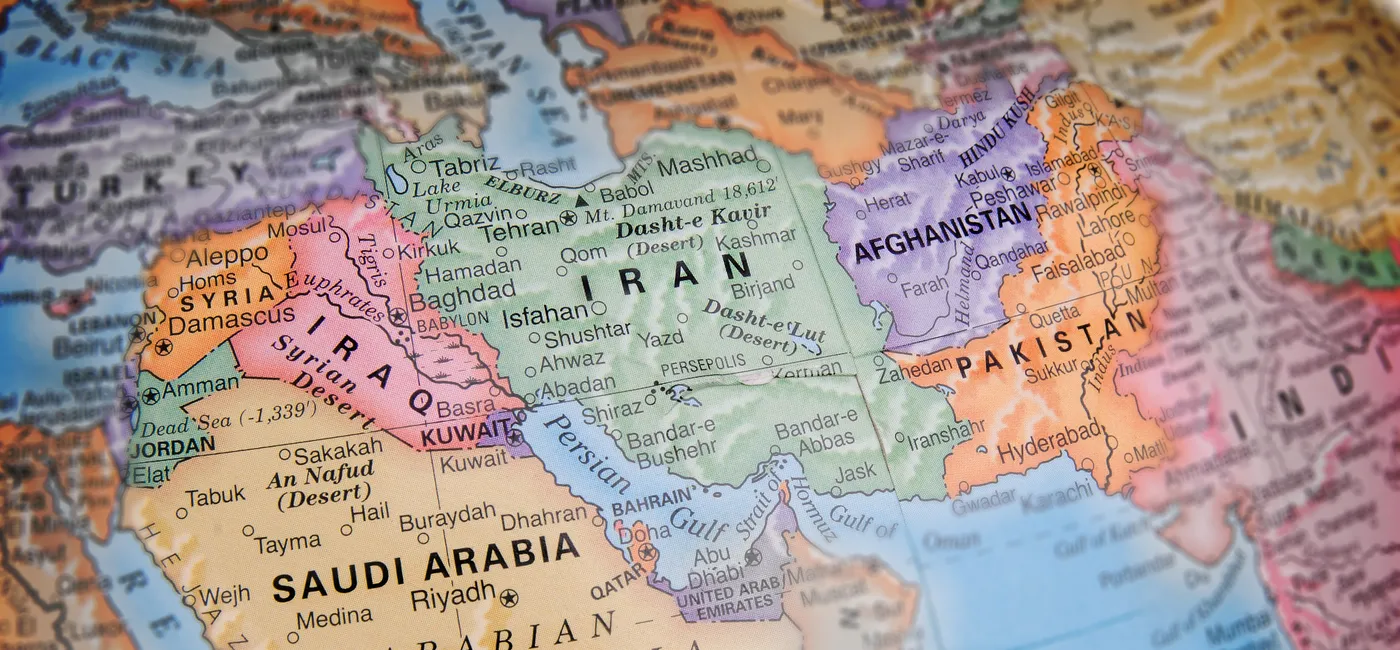
Africa led all regions with a 10.3 per cent increase. The Middle East followed with 9.5 per cent growth, while Europe rose 8.4 per cent. Latin America and Asia-Pacific also posted strong gains. North America saw slower growth at 3.5 per cent.
Full-year growth led by international travel
For the full year, global demand rose 5.3 per cent, matching capacity growth. International travel climbed 7.1 per cent, while domestic travel grew just 2.4 per cent.
Asia-Pacific recorded the strongest growth at 10.9 per cent. Africa, Latin America, Europe, and the Middle East also posted solid gains. North America saw the slowest growth at 2.1 per cent.
Domestic travel shows mixed results
Domestic travel still reached record passenger numbers in 2025, even though growth slowed. The United States recorded a small drop of 0.6 per cent, making it the only major market to decline. Brazil, India, and Japan all posted strong domestic gains.