WorkSafeBC is investigating the deadly avalanche in B.C. that claimed the lives of three heli-skiers, with a focus on finding ways to prevent similar accidents in the future. CTV
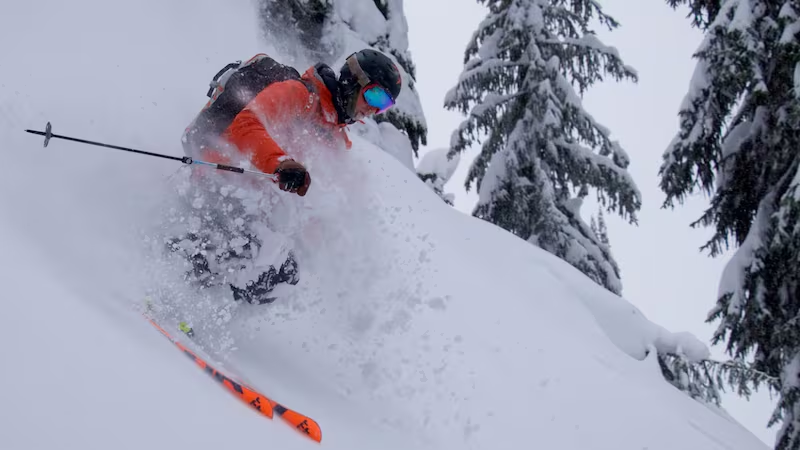
An investigation has been launched by British Columbia’s Workers’ Compensation Board (WorkSafeBC) into a fatal avalanche that took place on Mount Knauss, located just north of Terrace, this past weekend. The avalanche claimed the lives of three heli-skiers, and the investigation will look into the cause of the incident and how to prevent similar occurrences in the future.
This tragedy is part of a deadly weekend for backcountry skiers in the province, which also saw a fourth skier killed in a separate avalanche near Atlin, in the remote northwest part of the province. Experts are urging people who use the backcountry to be extra cautious as the risk of avalanches remains high, especially in March.
Avalanche Risks Increase During Spring
Zoe Ryan, a public forecaster with Avalanche Canada, pointed out that March is statistically the most dangerous month for avalanches. During this time, the snowpack is transitioning into spring, and warmer temperatures increase the risk of instability in the snow. This year, a large natural avalanche cycle was triggered by an atmospheric river event that brought heavy precipitation, warm temperatures, and strong winds to the province.
Avalanche Canada had issued warnings about the dangerous conditions last week. The organization said that the three heli-skiers who died on Mount Knauss triggered the slide, which also left a fourth skier in their group critically injured.
WorkSafeBC’s Involvement
WorkSafeBC has classified the avalanche on Mount Knauss as a “serious workplace incident” and is investigating whether anything can be done to avoid similar accidents in the future. The board has also highlighted the importance of employers ensuring the safety of their workers when they are working in avalanche-prone areas.
Andrew Kidd, director of prevention field services at WorkSafeBC, emphasized the responsibility of employers to assess the risks of working in avalanche terrain. "It's absolutely fundamental to making sure that our workers, our most valuable assets, are protected while at their work," Kidd said. He stressed that employers should monitor conditions closely, train workers properly, and stop work if conditions become unsafe.
Avalanche Risks Persist Across B.C.
In addition to the fatal avalanches in northern B.C., there are still significant risks in other parts of the province. Ryan noted that the snowpack in the northern regions is still in mid-winter condition, with weak layers of snow buried deep beneath the surface. These weak layers make the snow more prone to triggering large avalanches.
She also pointed out that despite the warmer weather and longer days, it’s still mid-winter in certain areas, including the northwest ranges through to the Yukon. Ryan advised people venturing into these areas to be cautious, as the conditions may still be dangerous.
Safety Precautions and Training
Ryan is urging backcountry users to stick to less risky terrain and to ensure they are properly trained in avalanche safety before heading into mountainous areas. She stressed the importance of keeping track of avalanche bulletins and monitoring current conditions, as even in areas where snow seems to be melting, the risk of avalanches remains high.