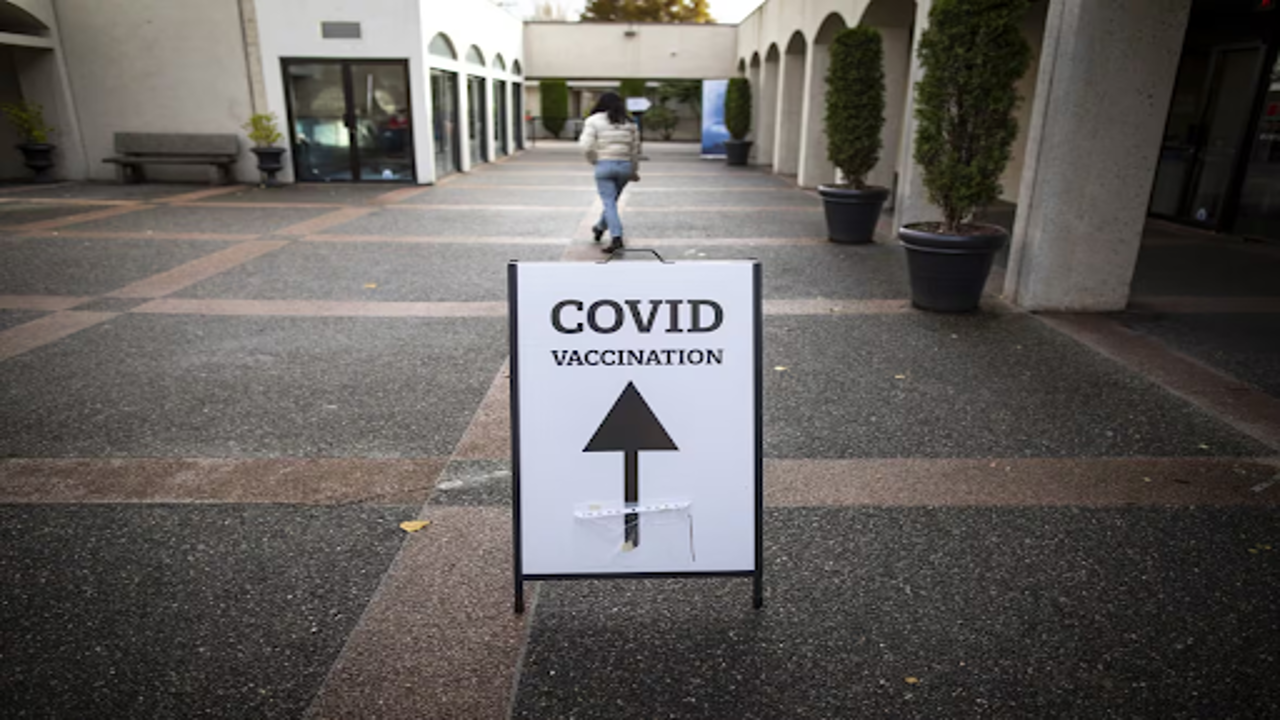
The petitioners argued that COVID-19 did not constitute an emergency at the time of mandate was renewed last fall.
The B.C. Supreme Court has upheld the province's COVID-19 vaccine mandate for health-care workers, deeming it justified given the significant risk the virus posed when the mandate was renewed in October 2023.
The mandate, initially imposed by Provincial Health Officer Dr. Bonnie Henry in October 2021, required all health-care workers in British Columbia to be vaccinated. This order was renewed in 2022 and again in 2023, remaining in effect throughout the province.
According to the court's judgment released on Monday, approximately 1,800 health-care workers lost their jobs for not complying with the mandate. These workers, including nurse practitioners, surgeons, psychiatrists, and administrators, collectively challenged the mandate in court, arguing that it was unreasonable since COVID-19 was no longer an immediate and significant public health threat by October 2023. They claimed that unvaccinated workers did not pose a greater risk to patients than those who were vaccinated.
Additionally, they contended that employees working remotely or in non-patient-facing roles should not be subject to the mandate and that the mandate violated their Charter rights to freedom of religion and liberty.
Justice Simon Coval, who heard the case, found that the health officer's mandates were reasonable based on the scientific evidence available at the time. He stated that the orders did not infringe on the workers' rights to liberty or security of the person, as they were not forced to undergo unwanted medical treatment. Coval also noted that the Charter does not guarantee the right to work in a specific profession or protect against the stress of losing a job due to non-compliance with workplace regulations.
While the judge mostly sided with the province, he did ask the health officer to reconsider the mandate for health-care workers who could work remotely or in administrative roles without patient interaction. Coval acknowledged that there was insufficient justification for not including a reconsideration process for these workers, given the significant impact of job loss on health-care professionals.
The workers also questioned the mandate's reasonableness in light of the lack of other public health measures, such as public masking and vaccine passports, in place at the time. They cited the World Health Organization's declaration in May 2023, advising countries to transition from emergency responses to managing COVID-19 alongside other infectious diseases.
However, Coval affirmed that the health officer's orders were justified based on the available scientific data. He emphasized the unique vulnerability of hospital patients and long-term care residents to COVID-19, noting that these individuals often cannot choose to avoid treatment from unvaccinated health-care workers if no mandate were in place.
In summary, the court upheld B.C.'s COVID-19 vaccine mandate for health-care workers, recognizing its necessity to protect vulnerable patients despite some opposition from affected workers. However, it opened the door for reconsideration of the mandate for those in remote or non-patient-facing roles.