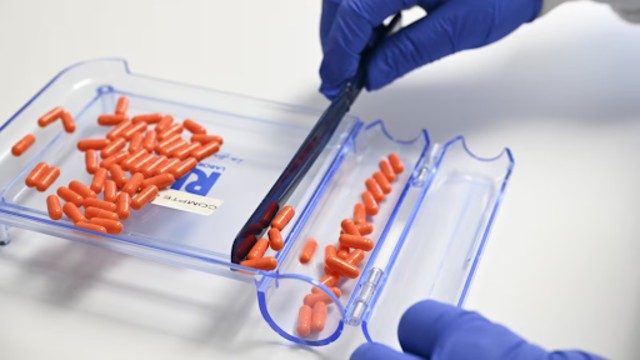
© Stock-Asso/shutterstock.com/Researchers are making significant strides in the development of a bio-artificial pancreas
Researchers are making significant strides in the development of a bio-artificial pancreas, offering hope for improved diabetes treatment. This advancement aims to address the challenges faced by individuals with type 1 diabetes, whose pancreas fails to produce adequate insulin, necessitating multiple daily injections of the hormone to maintain blood sugar levels.
Conventionally, treatment options for type 1 diabetes have been limited, with islet of Langerhans transplantation serving as a viable but rare option. However, the transplantation process poses several challenges, including the requirement for a substantial number of islets and the potential for adverse health effects due to lifelong immunosuppression.
In response to these limitations, researchers have turned their focus to the development of a bio-artificial pancreas, leveraging stem cells derived from islets to create encapsulated cell structures. These encapsulated cells are designed to mimic the function of a natural pancreas, producing insulin while being shielded from immune responses.
Initial studies involving microencapsulation of islet cells have shown promising results in animal models, with improvements observed in blood sugar regulation. Over time, researchers have refined the encapsulation process, incorporating compounds to enhance oxygenation and prevent fibrosis around the capsules, thereby promoting the survival of encapsulated cells.
Recent advancements in nanoencapsulation technology have further expanded the possibilities for bio-artificial pancreas development. Nanoencapsulation involves the deposition of a protective layer around islet cells, preventing vascularization and immune rejection while maintaining insulin secretion in response to glucose stimulation.
Another promising approach is macro-encapsulation, where islet cells are enclosed within chambers and transplanted into the body. These chambers are designed to facilitate vascularization and minimize immune responses, allowing for sustained insulin secretion without the need for immunosuppression.
Clinical trials involving bio-artificial pancreas technologies are currently underway, with researchers eagerly awaiting results. Initial data from these trials have shown encouraging outcomes, including insulin secretion by implanted materials and improved glycemic control in participants.
Overall, the development of a bio-artificial pancreas holds immense potential for revolutionizing diabetes treatment. By providing a sustainable source of insulin production and minimizing the need for frequent injections, this technology has the potential to significantly improve the quality of life for individuals with type 1 diabetes. Continued research and development in this field are crucial for translating these promising advancements into clinical practice.