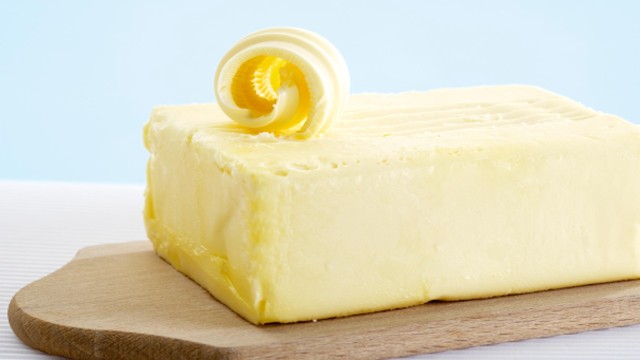
Traditional butter is high in saturated fats, which can promote inflammation, so it may be time to rethink how much of the spread you have on a consistent basis. (Getty Images)
Butter is a kitchen staple, loved for its creamy richness. But could your daily dollop be shortening your life? A recent study suggests that cutting back on butter could add years to your lifespan.
The Study: Butter vs. Plant-Based Oils
Researchers analyzed 33 years of dietary data from over 221,000 adults. They found that consuming just over half a tablespoon of butter daily increased the risk of premature death by 15%.
On the flip side, those who replaced butter with plant-based oils—like olive, soybean, and canola oil—had a 16% lower risk of dying from cancer, heart disease, or other causes.
The good news? A small swap makes a big impact! Replacing 10 grams of butter daily with plant-based oils reduced the risk of death by 17%, including a 17% lower risk of dying from cancer.
Is Butter Really That Bad? Keatley Weighs In
Not all research paints butter as a villain. Scott Keatley, a dietitian and co-owner of Keatley Medical Nutrition Therapy, points out that a previous scientific analysis found “relatively small or neutral” links between butter and diseases like diabetes and heart disease.
However, Keatley emphasizes that plant-based oils still have the edge because they contain polyphenols and antioxidants that combat inflammation—benefits that butter simply doesn’t offer.
Why It Could Harm Your Health
1. High in Saturated Fat
Butter is about 80% fat, with a high concentration of saturated fat. According to Dr. Yu Zhang, lead study author, saturated fats fuel inflammation and disrupt hormonal activity, increasing the risk of diseases like cancer, diabetes, and autoimmune disorders.
2. Cardiovascular Risks
Saturated fats in butter can raise LDL (bad) cholesterol, a major contributor to heart disease and strokes, says Dena Champion, a dietitian at Ohio State University Wexner Medical Center.
3. Harmful Cooking By-Products
Cooking with butter at high temperatures can produce oxidized cholesterol and advanced glycation end-products (AGEs)—compounds linked to cancer, heart disease, and premature aging, explains Keatley.
Why Plant-Based Oils Are the Better Choice
Unlike butter, plant-based oils contain healthier unsaturated fats, antioxidants, and anti-inflammatory properties.
Why Experts Prefer Plant-Based Oils:
✔ Lower in saturated fat – Reduces inflammation and heart disease risk.
✔ Rich in antioxidants – Olive oil contains polyphenols and vitamin E, which protect cells from damage.
✔ Safer for cooking – Produces fewer harmful by-products than butter at moderate temperatures.
How to Cut Back on Butter (Without Missing It Too Much!)
Switching from butter to plant-based oils doesn’t mean sacrificing flavor! Try these simple swaps:
🔹 Cooking: Use olive or canola oil instead of butter for sautéing.
🔹 Baking: Swap butter for applesauce or mashed bananas in recipes.
🔹 Spreading: Replace butter on toast with hummus, nut butter, or olive oil with herbs.
🔹 Finishing Touches: Drizzle olive oil with lemon or balsamic vinegar instead of melting butter on veggies.
🔹 DIY Butter Alternative: Mix 1 cup softened butter with 1 cup plant-based oil for a healthier, spreadable version.
So, Can You Still Eat Butter?
Absolutely—just in moderation. Experts aren’t saying you need to quit butter altogether, but reducing your intake could lead to better long-term health.
“A little butter on whole-grain toast or as a light finishing touch is unlikely to be harmful,” Keatley says. “But making healthier swaps where possible can have lasting benefits.”
Bottom Line: Butter Smart, Live Longer!
By making small, mindful swaps, you can enjoy great flavors while protecting your health. So, will you butter up—or opt for a healthier alternative?