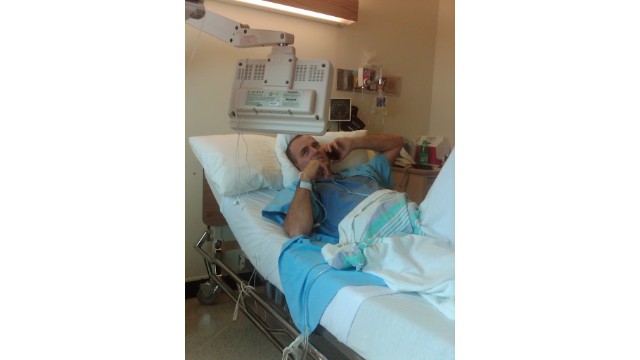
A screen displays a patient's vital signs during open heart surgery at the University of Maryland Medical Center in Baltimore on Nov. 28, 2016. The Canadian Press
Canada's latest data on medical assistance in dying (MAID) reveals growing trends among those choosing this end-of-life option. In 2024, 16,499 Canadians received MAID, marking nearly 5% of all deaths that year. This is a 6.9% increase compared to 2023.
Since legalization in 2016, 76,475 people have accessed assisted death across the country. Health Canada’s annual report highlights key patterns in medical conditions, age, and socio-economic factors among MAID recipients.
Cancer Dominates MAID Cases
The majority of people who chose assisted death in 2024 had a cancer diagnosis. Over 63% of recipients were battling cancers such as lung, colorectal, pancreatic, or hematologic types. The median age of MAID recipients was 77.9 years.
Other conditions included neurodegenerative diseases like ALS, with roughly 450 people receiving assisted death due to this condition. About 74% of recipients accessed palliative care before opting for MAID, showing integration with supportive care services.
Socio-Economic and Geographic Insights
Health Canada’s analysis found MAID recipients generally did not come from lower-income or disadvantaged communities. However, fewer recipients lived in remote areas, suggesting challenges in accessing healthcare in these regions.
Helen Long, CEO of Dying with Dignity, emphasized, “Eligible people across Canada are accessing this end-of-life option appropriately, with no evidence of disproportionate access among disadvantaged groups.”
Foreseeable vs. Non-Foreseeable Deaths
Most MAID recipients, over 95%, had conditions making their deaths reasonably foreseeable. A smaller group, 4.4%, were "track 2" patients. These individuals’ deaths were not deemed foreseeable, but they experienced intolerable suffering. Legal changes in 2021 allowed MAID for such cases, introducing a mandatory 90-day waiting period.
Applicants must receive information on counseling, mental health, disability supports, community services, and palliative care. They must also consult with two medical practitioners to explore ways to relieve suffering and ensure informed decisions.
Disability Support and Safeguards
The UN Committee on the Rights of Persons with Disabilities expressed concern over track 2 MAID. It questioned whether people with disabilities are adequately supported in their choices. Health Canada reported that only 0.1% of recipients needed disability services but did not receive them. Meanwhile, about one-third of MAID recipients, around 5,300 people, accessed and received disability support services.
Growing Acceptance and Ongoing Monitoring
The report underscores a steady increase in assisted deaths, reflecting broader acceptance of MAID in Canada. Authorities continue monitoring trends to ensure eligibility criteria, safeguards, and support services remain effective for all Canadians.