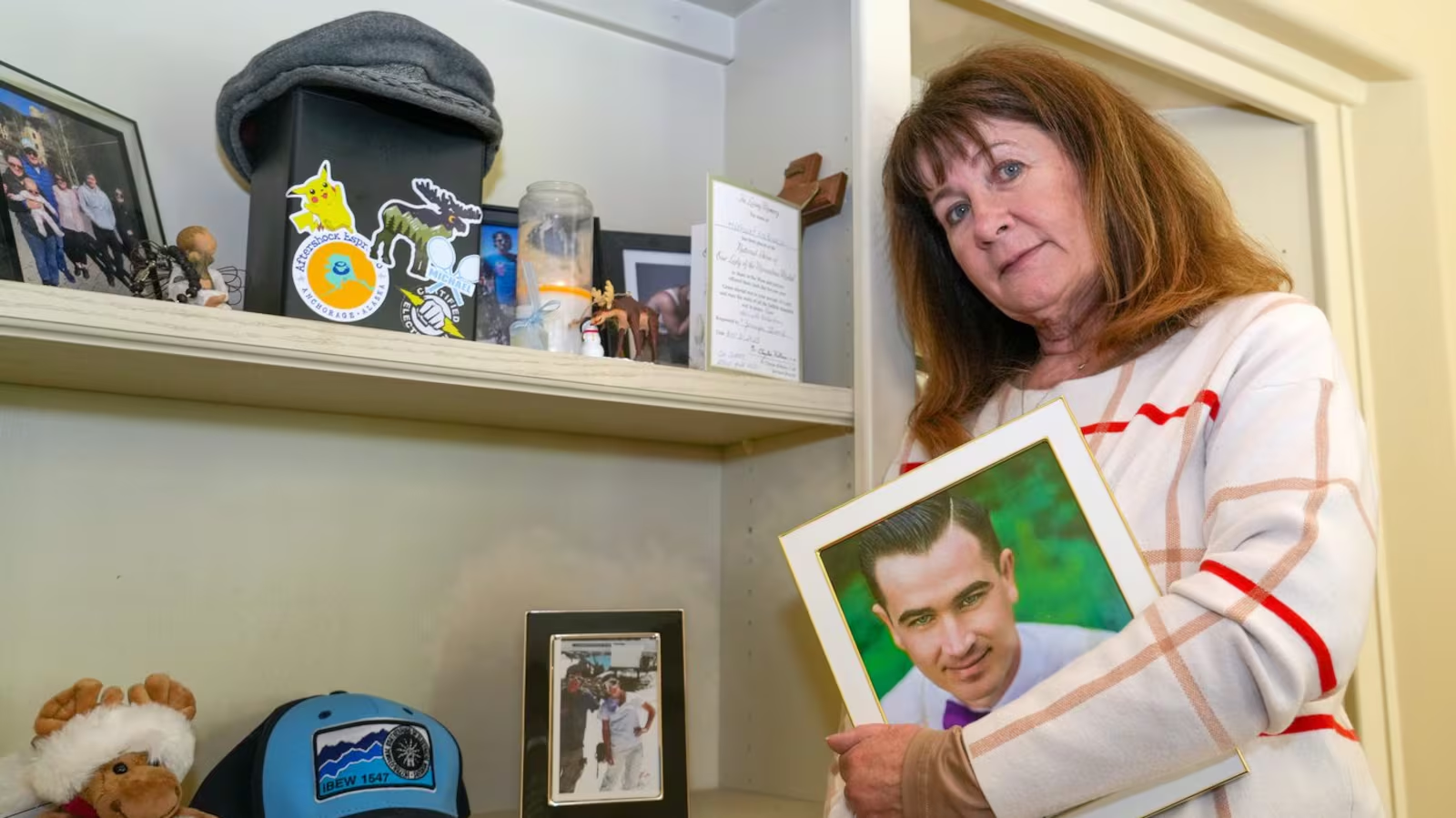
John Scully, a plaintiff in the legal challenge against the assisted dying law, is pictured at his home in Toronto on August 19, 2024. (The Canadian Press)
A man in Canada, suffering from severe and worsening mental health issues, is challenging the federal government’s assisted dying law. This law currently excludes individuals who are solely affected by mental disorders from being eligible for assisted death, a situation that John Scully, one of the plaintiffs, finds deeply unfair. Scully, a former war correspondent, has battled post-traumatic stress disorder, depression, and anxiety for years. Despite trying various treatments, nothing has alleviated his suffering. He believes the exclusion of mental disorders from the assisted dying law is discriminatory, as those suffering physically can access this right while people like him are left to endure unbearable mental anguish.
Scully, along with the advocacy group Dying with Dignity, has filed an application in Ontario’s Superior Court. The application argues that the mental health exclusion violates the Canadian Charter of Rights and Freedoms, specifically Section 7, which guarantees the right to life, liberty, and security. The plaintiffs argue that denying people with severe mental disorders access to assisted death forces them to continue living in intolerable conditions, robbing them of their right to make deeply personal decisions about their own lives.
The Liberal government initially planned to expand the assisted-dying law to include mental disorders in March 2023, but postponed the change, citing concerns from provinces and psychiatrists about how to properly assess mental illnesses for eligibility. The expansion has now been delayed until 2027. This delay has frustrated many, including those who believe that mental suffering should be treated with the same urgency as physical suffering.
Scully, now 83, feels that his mental and physical conditions are deteriorating daily. He has been interviewed by two clinicians who assess patients for assisted dying, and he would be eligible if the expansion had been implemented. Scully says that the continuous sleep deprivation he suffers from, along with his worsening mental state, has pushed him to the brink of suicide. He has attempted suicide twice before and fears that without the option of assisted dying, he may attempt it again, despite not wanting to cause pain to those left behind.
Helen Long, CEO of Dying with Dignity Canada, expressed disappointment that the organization has had to resort to legal action to push the government to implement its own laws. She believes the delays are due to a lack of political will, leaving people like Scully in prolonged suffering. Long emphasizes that the repeated promises and subsequent delays have caused significant hardship for those waiting for an assessment under the expanded law.
The court challenge is expected to be a lengthy process, but Scully and the organization are hopeful that it will eventually allow people with severe mental disorders to access assisted dying, giving them the option to end their suffering in a dignified manner.