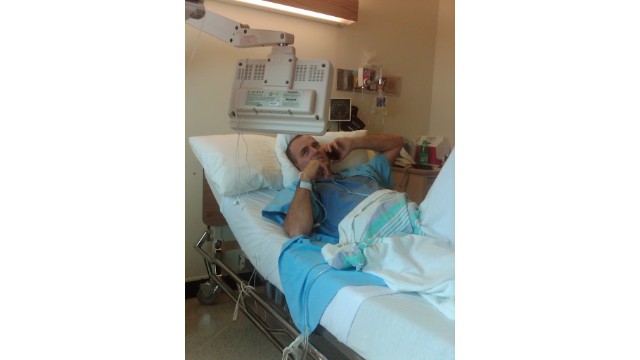
Photo from CIC News
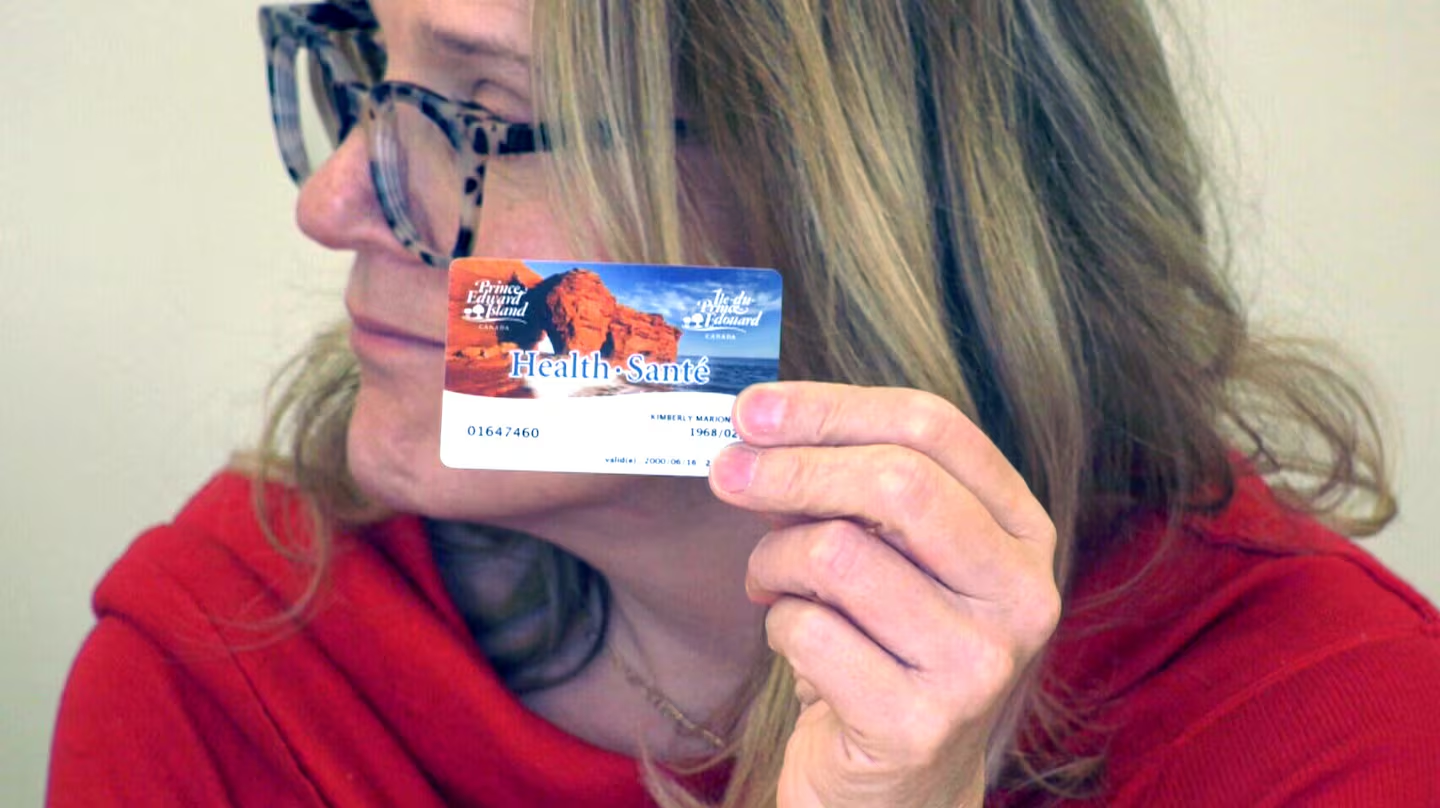
Foreign nationals in Canada, regardless of whether they are temporary residents (TR) or permanent residents (PR), should ensure they obtain public healthcare coverage in their respective province or territory. Failure to do so could result in hefty healthcare costs when needed. It is recommended by the Government of Canada that all residents of each province or territory also acquire private health insurance to supplement the public healthcare coverage provided by their home province or territory.
To access public healthcare services in their destination province, individuals need a health card. Below are the eligibility criteria for obtaining a health card in four of Canada's top newcomer provinces: Ontario, British Columbia (B.C.), Alberta, and Quebec.
Ontario
In Ontario, foreign nationals must meet specific additional requirements outlined by the provincial government to be eligible for a health card. These requirements include being a Canadian citizen, Indigenous person, or permanent resident, applying for permanent residence in Canada, possessing a valid work permit and working full-time for an Ontario employer, being a convention refugee or other protected person, holding a Temporary Resident Permit, or being a clergy member ministering full-time in Ontario for at least six months. Additionally, applicants must physically be in Ontario for a certain number of days and make Ontario their primary residence.
British Columbia:
To be eligible for public medical coverage, including a health card, through British Columbia's Medical Services Plan (MSP), newcomers must establish residency in B.C. This means being a citizen of Canada or lawfully admitted to Canada for permanent residence, making their home in B.C., and being physically present in B.C. for a minimum period per calendar year. Eligible temporary residents in B.C. may also qualify for coverage depending on the duration and purpose of their stay.
Alberta
In Alberta, both permanent and temporary residents must meet certain criteria to be eligible for a health card and corresponding healthcare coverage. Permanent residents must legally be entitled to be in Canada, commit to being physically present in Alberta for a specific period, and not claim residency or benefits elsewhere. Temporary workers and international students must establish residency and intend to remain in Alberta for a minimum period to be eligible for coverage.
Quebec
In Quebec, newcomers over the age of 18 are typically required to wait up to three months before becoming eligible for public healthcare coverage. Eligibility is divided into two groups: persons settled in Quebec and persons temporarily staying in Quebec. Each group has specific criteria regarding residency and duration of stay in Quebec.
In summary, foreign nationals in Canada should familiarize themselves with the eligibility criteria for obtaining a health card in their respective province or territory to ensure access to necessary healthcare services.