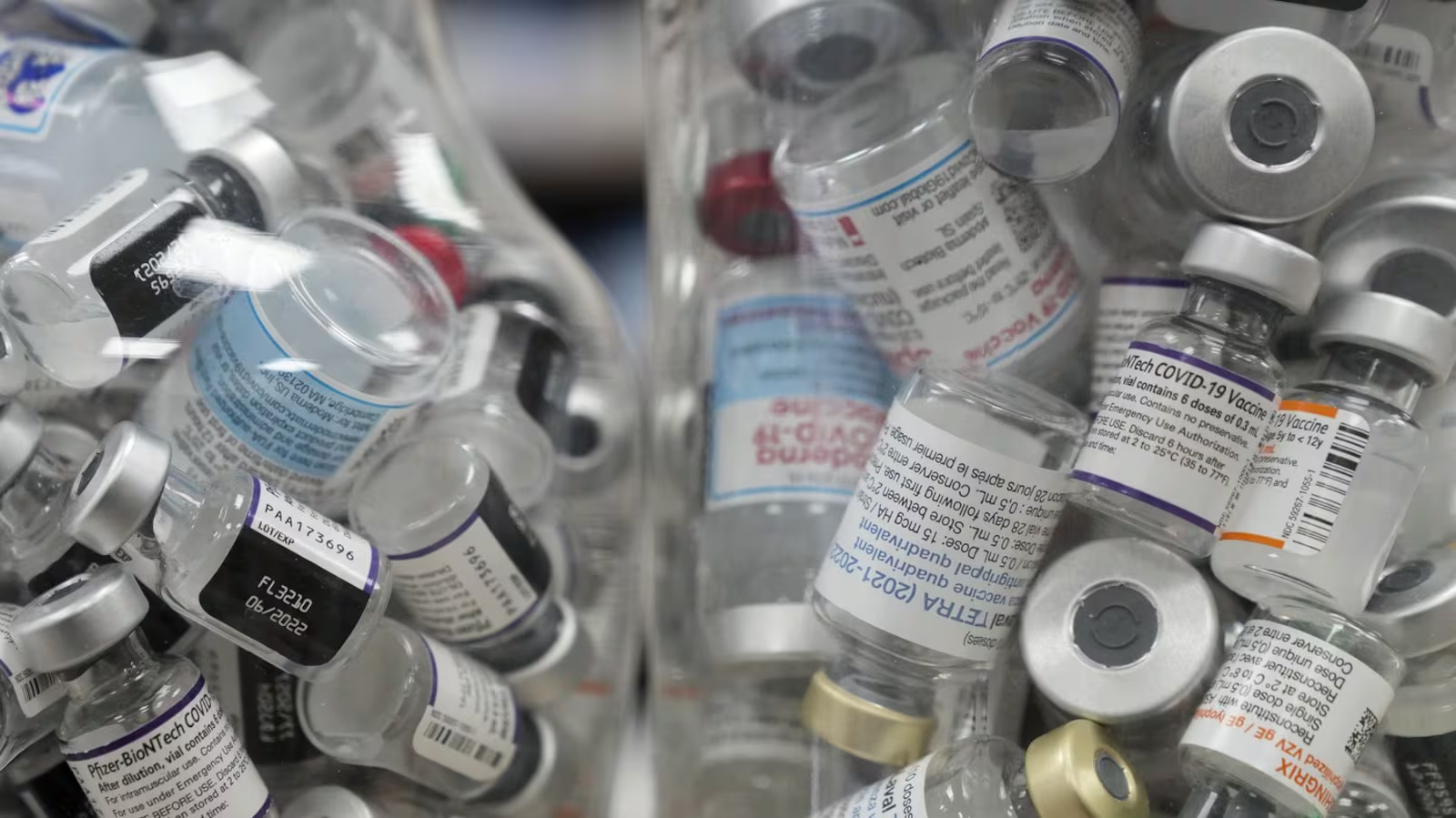
Up to 20% of the donor's sperm contains the dangerous mutation that increases the risk of cancer (stock image)
A major international investigation has uncovered that a sperm donor carrying a dangerous genetic mutation has fathered at least 197 children across Europe. The mutation significantly increases the chances of developing cancer. Some affected children have already died, raising urgent questions about donor screening and global fertility regulations.
Growing Alarm Over a Hidden Mutation
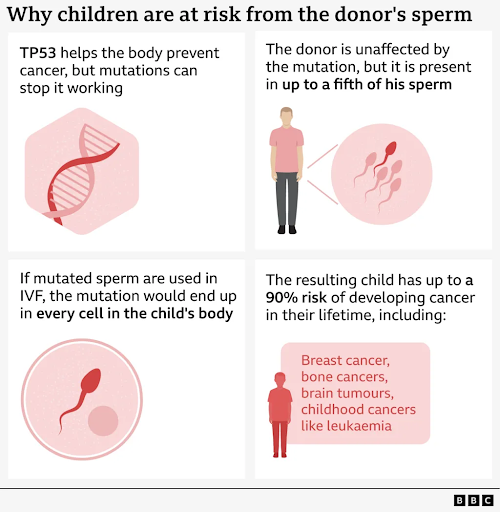
The donor appeared healthy and passed standard screening tests. Yet a spontaneous DNA mutation had occurred before his birth. It damaged the TP53 gene — a vital protector that prevents cells from turning cancerous.
Most of his body does not contain the faulty gene. However, up to 20% of his sperm carry it. Any child conceived from this affected sperm inherits the mutation in every cell. This condition is known as Li Fraumeni syndrome. It brings a lifetime cancer risk of up to 90%, with many diagnoses occurring in childhood.
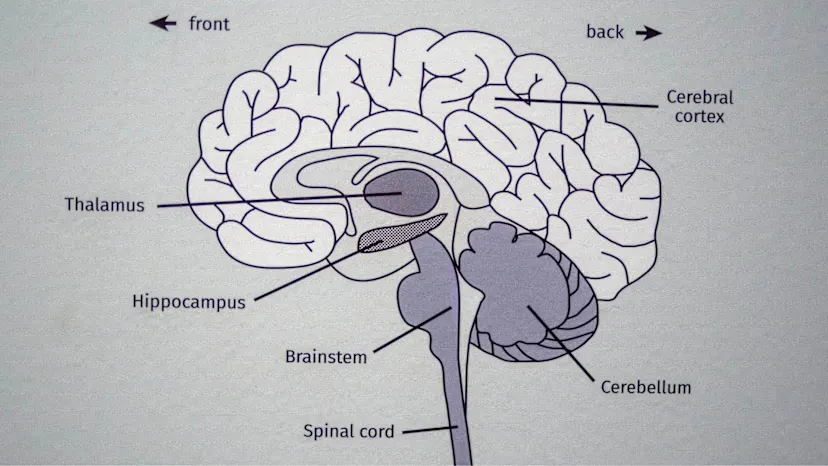
Doctors say the syndrome is devastating for families. Children require annual full-body and brain MRI scans, abdominal ultrasounds, and regular monitoring. Many women eventually choose preventive mastectomies.
How the Discovery Unfolded
The donor began contributing sperm as a student in 2005. His samples were used for 17 years. Denmark’s European Sperm Bank sold his sperm to clinics in 14 countries. It was not sold in the UK. However, a small number of British women travelled to Denmark for treatment and have now been notified.
The issue surfaced when doctors presented several cancer cases linked to donor conception at the European Society of Human Genetics. Investigators dug deeper using Freedom of Information requests, revealing the true scale of births linked to the donor. At least 197 children have been identified, though the actual number may be higher.
Children Already Affected
Doctors across Europe have reported dozens of children who inherited the mutation. Many have been diagnosed with cancer. Some have developed multiple cancers at very young ages. Several have died.
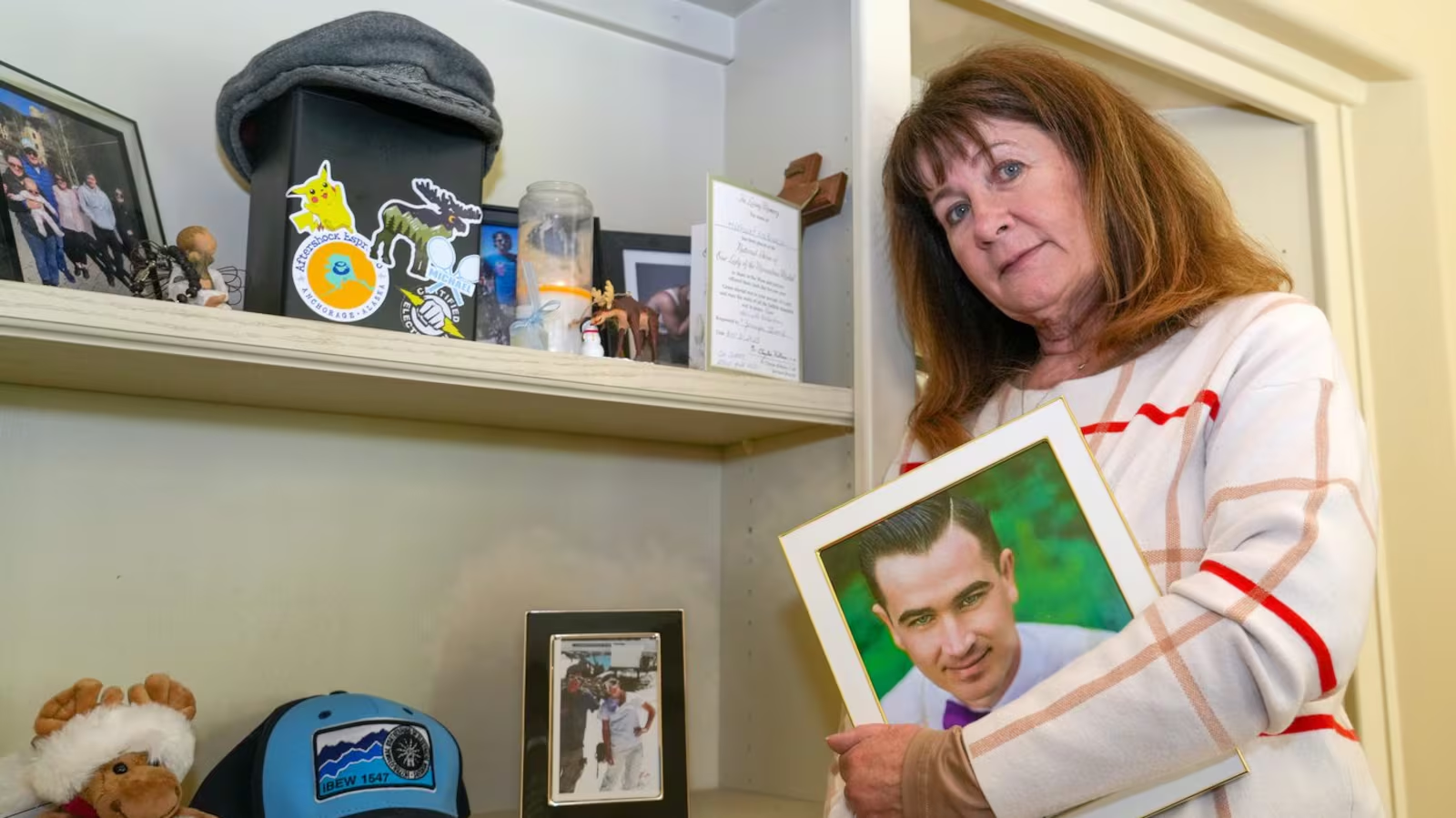
One mother in France, identified as Céline, learned her 14-year-old daughter had inherited the faulty gene. She says she does not blame the donor but believes she should never have been given unsafe sperm. She now lives with the fear of an unpredictable cancer diagnosis that could strike at any time.
Sperm Bank Acknowledges Breaches
The European Sperm Bank expressed sympathy but admitted that donor limits had been breached in several countries. Belgium, for example, allows one donor to be used by six families. Instead, the donor’s sperm was used by 38 women, resulting in 53 children.
There is no global limit on donor use. Each country sets its own rules. The UK allows a maximum of 10 families. But international sperm sales often bypass these limits because clinics depend on large global banks to meet demand.
Calls for Tighter Oversight
Experts warn that this case highlights deep flaws in the international fertility system. With half of the UK’s donor sperm now imported, monitoring use across borders is extremely difficult.
Some specialists argue for stricter caps on donor use. The European Society of Human Reproduction and Embryology recently suggested a limit of 50 families per donor. However, it warned that even tougher limits will not eliminate rare genetic risks.
Others stress the unknown psychological impact on children who may discover they have hundreds of half-siblings.
What Prospective Parents Should Know
Despite the shock of this case, experts say serious genetic issues remain rare. Using a licensed clinic still offers far more screening than natural conception.
However, some advise parents to ask key questions. Is the sperm from a local donor? Has the donor been used before? And how many times will the donor’s sperm be distributed?
The investigation continues to raise difficult questions about safety, transparency, and global oversight in the fertility industry.