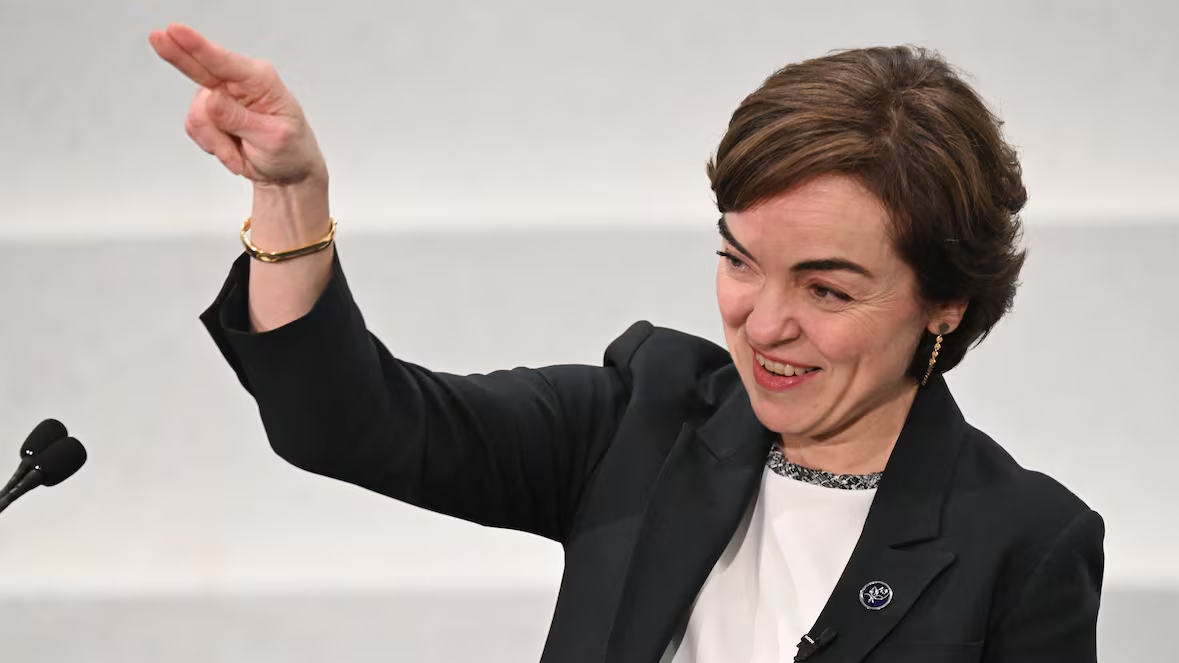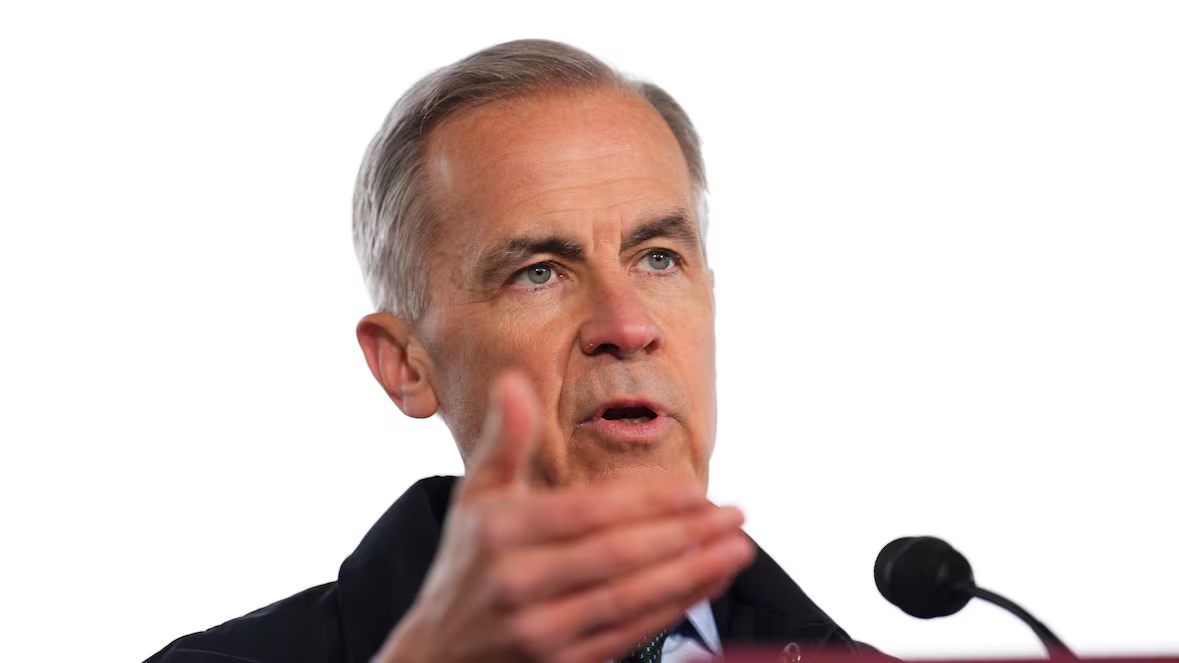
Mark Carney says he does not plan to suspend the current session of Parliament. THE CANADIAN PRESS
Mark Carney has firmly ruled out any plan to suspend Parliament following the upcoming byelections. Speaking on Tuesday, he made it clear that the idea has not crossed his mind.
"It has never even entered my thinking, the possibility of [proroguing]," the prime minister said during a news conference.
He responded to questions after reports suggested the government might consider ending the current session of Parliament if it gains more seats.
"I couldn't have been more surprised to see a suggestion that that was under consideration at all," Carney added.
Byelections Could Shift Balance of Power
Three byelections will take place on April 13 in two Toronto ridings and one in Quebec. If the Liberal Party wins at least two of these seats, it could move closer to a majority in the House of Commons.
A narrow majority would give the government more control, but it would still face challenges. Even with equal numbers between government and opposition, decisions in the House would not always favour the Liberals.
In the case of a tied vote, the Speaker steps in to break the tie. However, the Speaker does not vote along party lines.
Speaker’s Role Remains Neutral
Francis Scarpaleggia holds the deciding vote when there is a tie, but the role requires neutrality. The Speaker usually votes to keep the current situation unchanged rather than support one side.
This means the government cannot rely on the Speaker to push through new legislation during tied votes.
Challenges in Passing Laws
Even if the Liberals win all three byelections, they will still need some support from opposition parties. Passing laws requires approval not only in the House but also in parliamentary committees.
At present, committees have a balanced mix of Liberal and Conservative members, along with representation from the Bloc Québécois. This setup makes it harder for the government to move bills forward without cooperation.
No Easy Reset for Committees
In the past, proroguing Parliament could reset committee structures. However, that option no longer applies.
A motion passed earlier ensures that committee membership will remain unchanged throughout the current Parliament. This limits the government’s ability to reshape committees to its advantage.
Changing this rule would require another vote in the House, which could face strong opposition. If the Liberals only gain a slim edge, they may not have enough support to make such a change.
Focus on Working With Parliament
Carney stressed that his government plans to work within the existing system instead of looking for ways to reset it.
"We are absolutely focused on working with Parliament, getting legislation through Parliament, adjusting legislation where [needed]," he said.
His remarks suggest a strategy based on cooperation rather than confrontation as the government moves forward.
Key Dates for Voters
The three byelections will take place on April 13. Advance voting will run from April 3 to April 6, giving voters several days to cast their ballots.
These results could shape the direction of Parliament in the coming months, especially as the government seeks to pass new legislation.