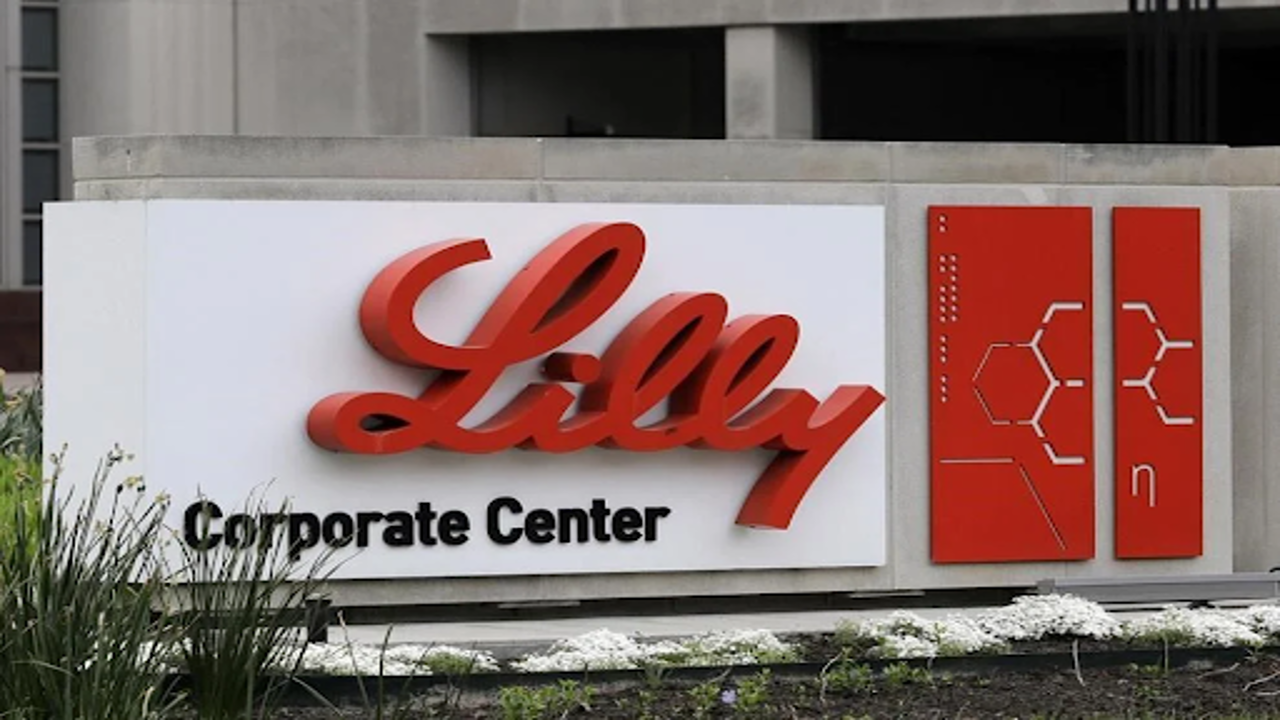
FILE - A sign for Eli Lilly & Co. sits outside their corporate headquarters in Indianapolis on April 26, 2017. A closely watched Alzheimer's drug from Eli Lilly won the backing of federal health advisers on Monday, June 10, 2024, setting the stage for the treatment's expected approval for people with mild dementia caused by the brain-robbing disease. (AP Photo/Darron Cummings, File)
A highly anticipated Alzheimer's medication by Eli Lilly received approval from federal health advisors on Monday, paving the way for its expected clearance to treat mild dementia caused by the disease.
The drug, donanemab, demonstrated the potential to slow down the progression of Alzheimer's, with FDA advisors unanimously agreeing that its benefits outweighed its risks, including side effects like brain swelling and bleeding. Panel member Dean Follmann, a statistician from the National Institutes of Health, expressed confidence in the drug's effectiveness based on trial evidence.
The FDA will have the final say on its approval later this year, and if greenlit, donanemab would be only the second Alzheimer's drug in the U.S. proven to effectively slow cognitive decline and memory loss caused by the disease. The FDA previously approved a similar infused drug, Leqembi, from Eisai in 2023. While both medications demonstrated a modest delay in cognitive decline among patients with early-stage Alzheimer's, there were questions raised regarding Lilly's approach to studying donanemab.
Lilly's use of tau protein levels to group patients led to concerns about whether tau screening via brain scans would be necessary before administering the drug. However, most panelists concluded that there was sufficient evidence of the drug's benefits to warrant broader prescription without such screening.
Additionally, Lilly's strategy of discontinuing treatment for patients with low levels of amyloid, a key contributor to Alzheimer's, was met with some skepticism from FDA staff due to insufficient data supporting the optimal timing for stopping treatment. Nonetheless, many panelists saw potential benefits in this approach, citing potential cost savings and reduced side effects.
The main safety concern associated with donanemab was brain swelling and bleeding, although most cases observed during Lilly's trial were mild. The panel agreed that these risks could be managed through warning labels, physician education, and medical scans to identify patients at higher risk of stroke. Despite the uncertainties surrounding Lilly's testing methods, the FDA panel's endorsement marks a significant step forward in the development of Alzheimer's treatments.