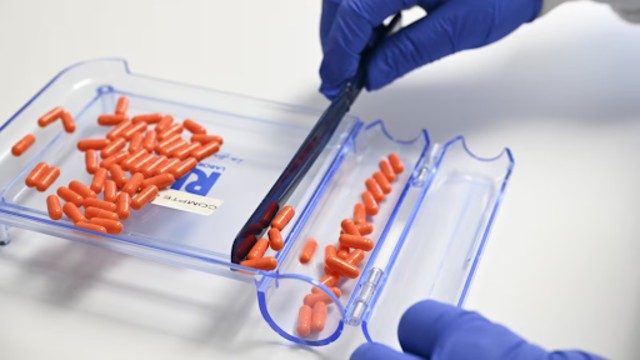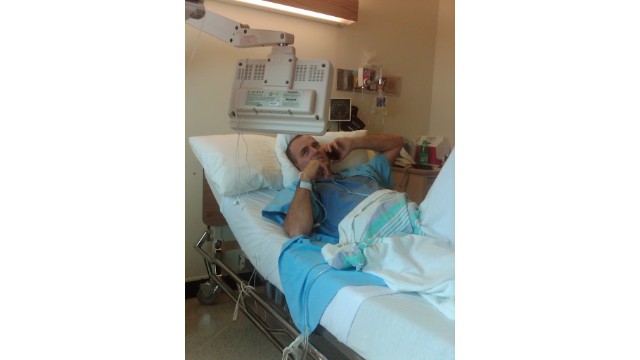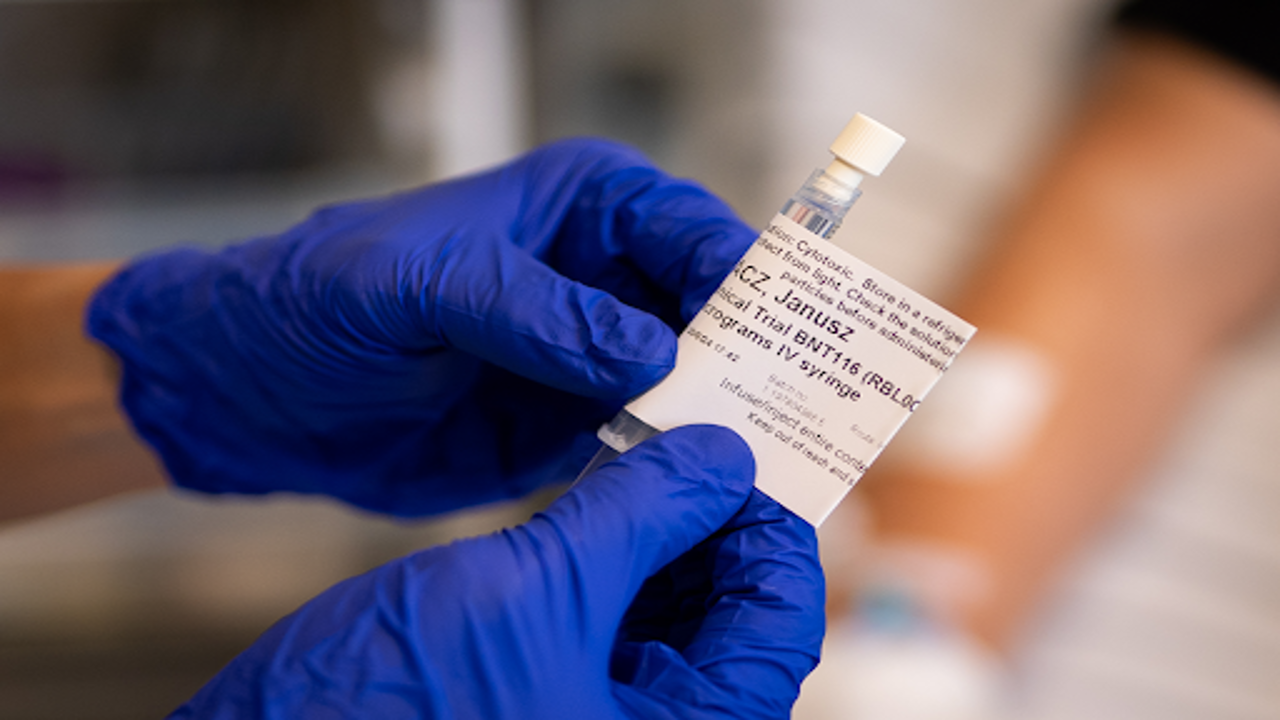
A patient receives an injection of BioNTech's mRNA therapy for non-small cell lung cancer (NSCLC) at the University College London Hospital. This marks the start of the first clinical trial for this lung cancer treatment in the UK. Getty Images
The world of medicine is buzzing with excitement as mRNA technology, which proved vital in combating COVID-19, now turns its focus to lung cancer. German biotechnology firm BioNTech has launched a groundbreaking mRNA vaccine, BTN116, into phase 1 clinical trials. This is the first vaccine of its kind aimed at treating non-small cell lung cancer (NSCLC), the most common form of lung cancer.
The trials are underway in seven countries, including the United States, the United Kingdom, Germany, Hungary, Poland, Spain, and Turkey. Medical oncologist Siow Ming Lee, leading the UK trials at University College London Hospitals, described lung cancer as the leading cause of cancer deaths globally. "Using mRNA technology for lung cancer is just the beginning. We hope this will lead to better outcomes for patients everywhere," Lee said.
The BTN116 vaccine works by targeting and attacking cancer cells, complementing existing treatments like chemotherapy and immunotherapy. By focusing on specific cancer cell proteins, the vaccine aims to enhance the immune system's ability to fight the disease.
Phase 1 trials are spread across 34 research sites and are now recruiting patients, including those at various stages of the disease. In the U.S., trials are accepting participants from both early and advanced stages of NSCLC. "The excitement around this trial is reminiscent of the early days of the COVID-19 vaccine development," Lee noted. He pointed out that the COVID-19 vaccines not only proved effective but also contributed to a reduction in cancer mortality.
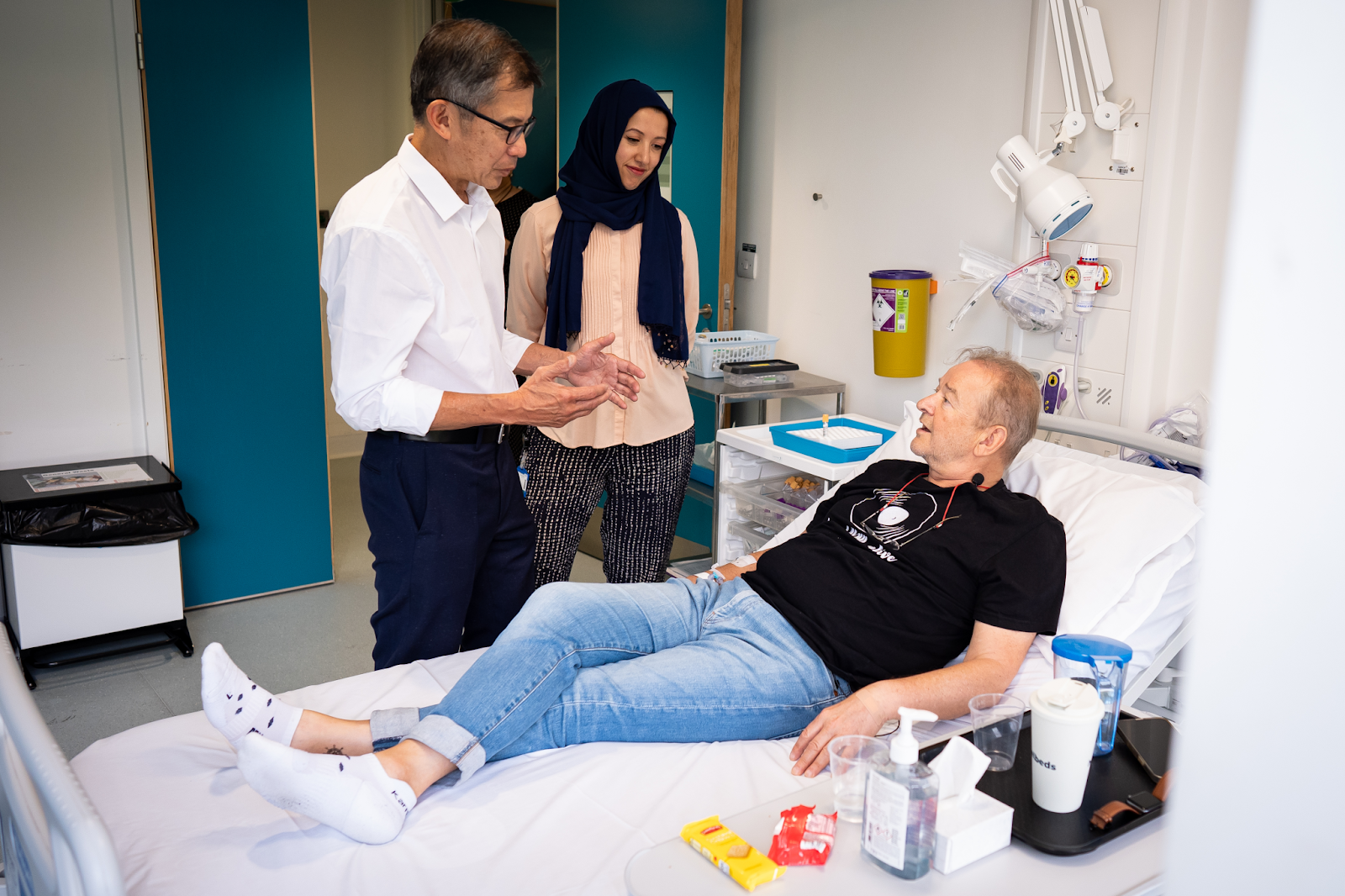
Consultant oncologists Siow Ming Lee and Sarah Benafif discuss the BioNTech mRNA cancer treatment with patient Janusz Racz before his injection. Getty Images
Lung cancer remains a major health challenge, with over 20,000 Canadians expected to die from it this year alone. Globally, it is the leading cause of cancer-related deaths, with 1.8 million deaths reported in 2020. Despite available treatments like chemotherapy and radiation, many cases are diagnosed late, leaving fewer treatment options.
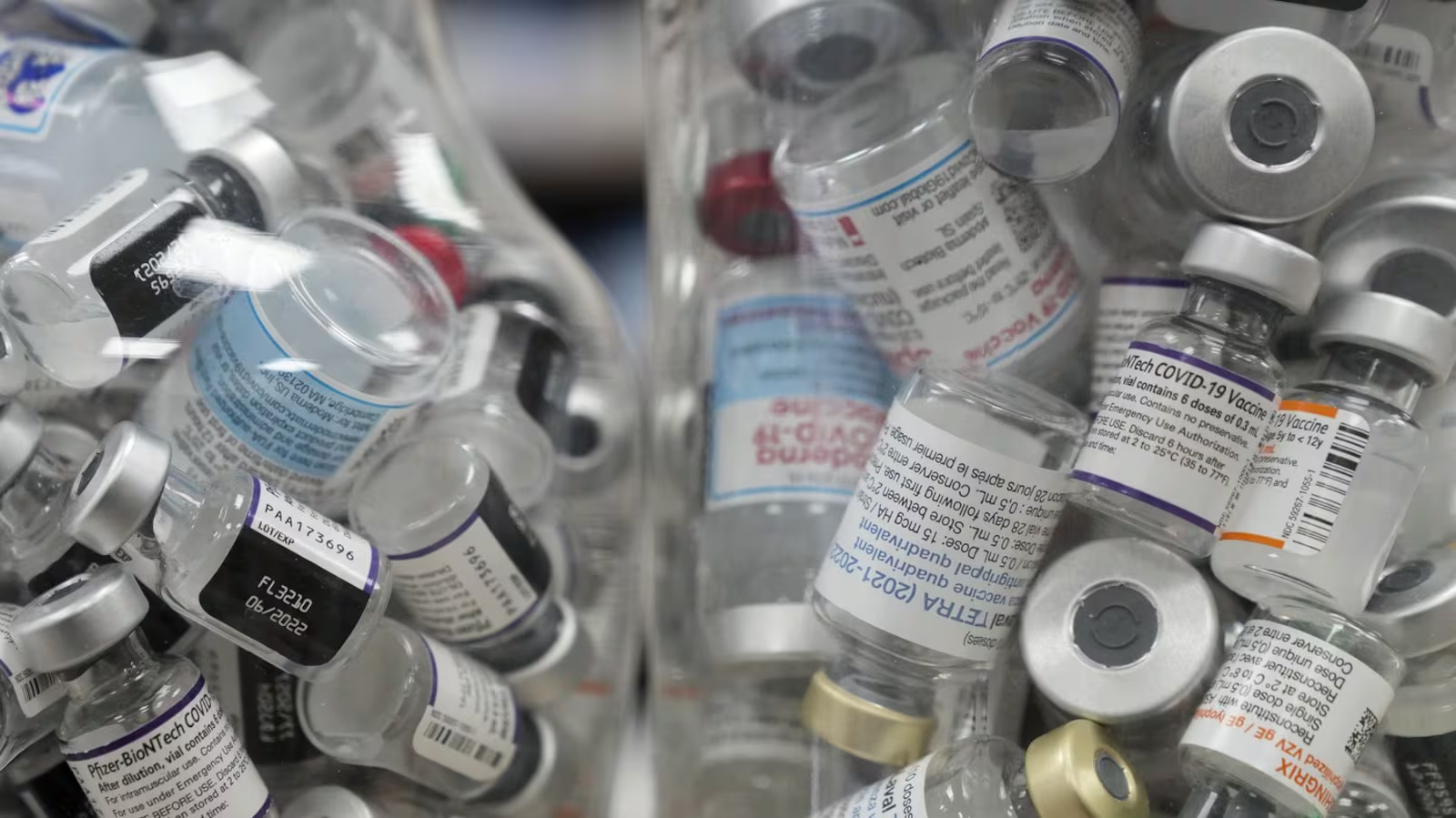
The mRNA technology behind BTN116 was initially developed for COVID-19 vaccines by BioNTech and its partners. This technology works by using messenger RNA to instruct the body to produce proteins that prepare the immune system to fight specific diseases. The same principle is now being applied to train the immune system to target cancer cells.
The lung cancer vaccine project began four years ago, inspired by the success of mRNA COVID-19 vaccines. Scientists hope that this new vaccine will replicate the success seen with COVID-19 and offer a new line of defence against lung cancer.
Currently, BTN116 requires multiple doses, with patients receiving six injections over 30 minutes on the first day, followed by weekly doses for six weeks and then every three weeks for a year. The goal is to eradicate cancer and prevent its recurrence.
Janusz Racz, a 67-year-old lung cancer patient from the UK, was the first to receive the vaccine. "I decided to participate because I hoped it would help fight my cancer and also benefit others in the future," he shared.
While the vaccine is still in phase 1 trials, with results expected in a few years, the progress offers hope for a new weapon in the fight against lung cancer. As Lee said, “It’s a long journey ahead, but we hope to see similar breakthroughs as we did with the COVID vaccines.”