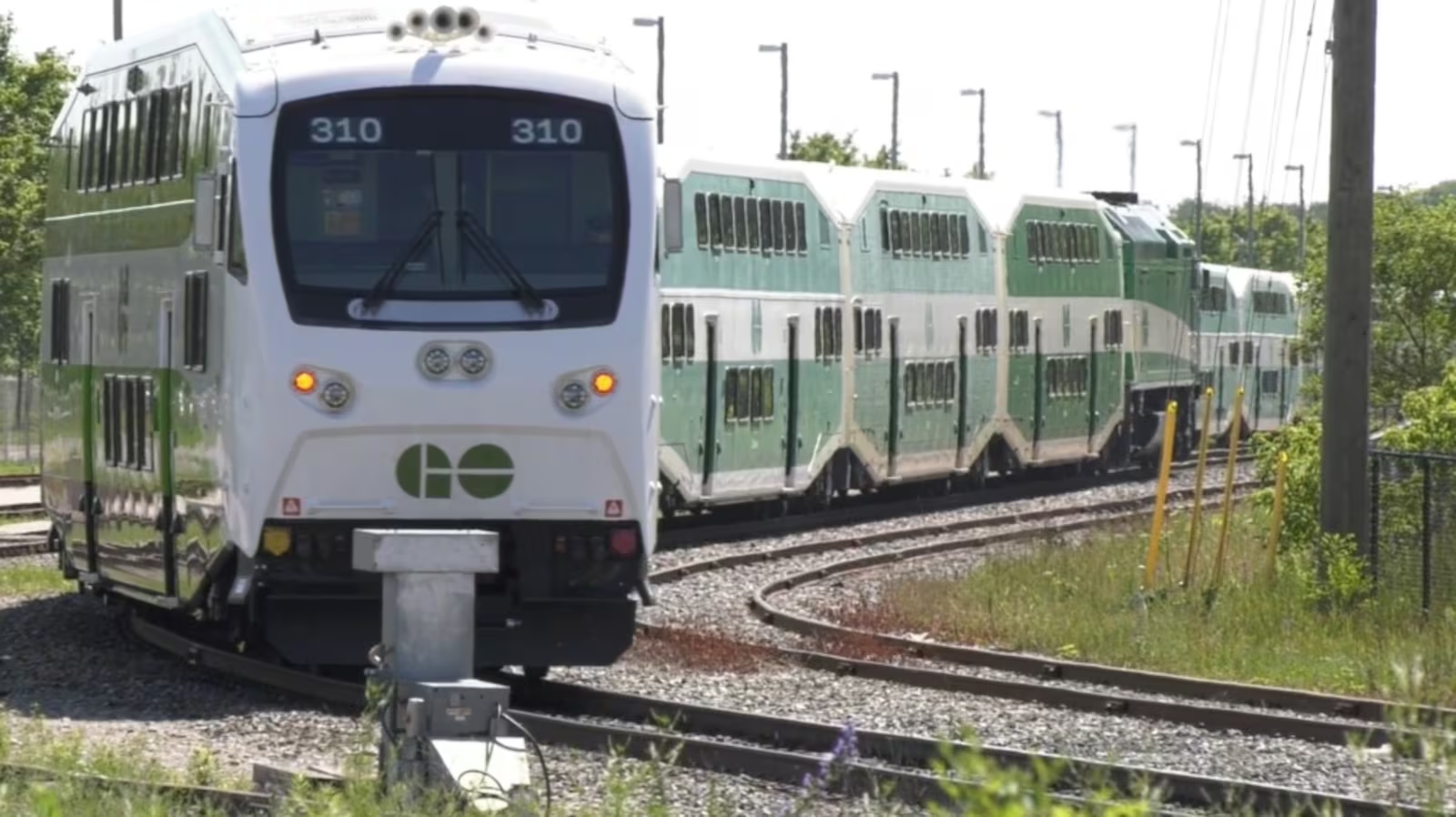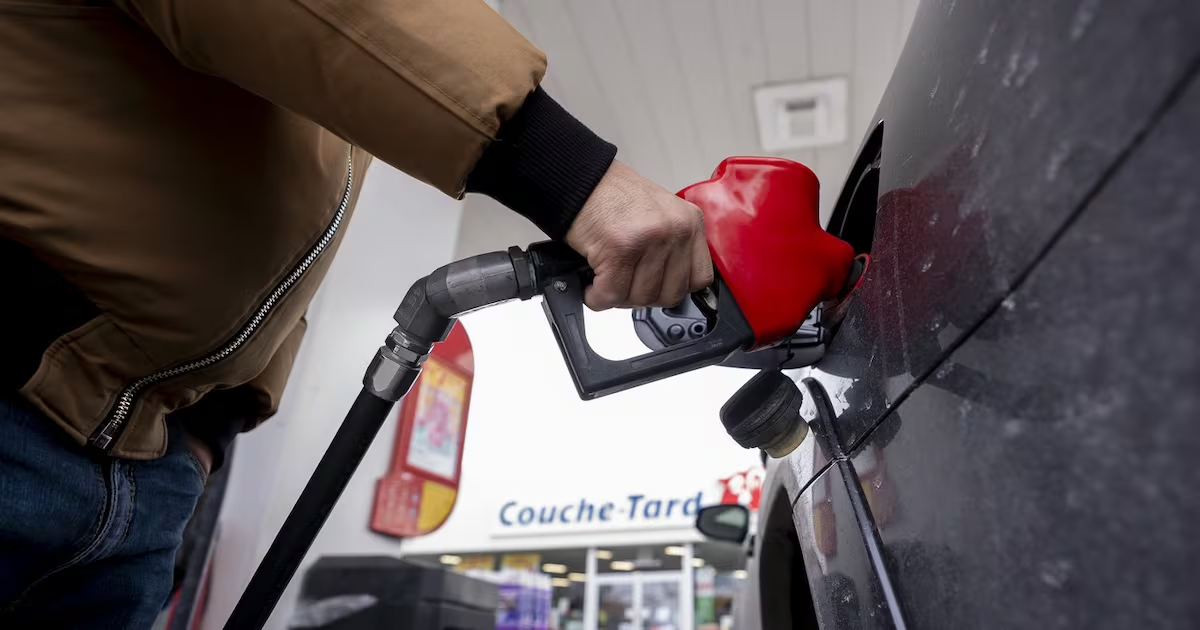
Canadians have faced higher costs since the war in Iran began, with rising oil prices pushing up fuel charges and increasing prices at both gas stations and grocery stores. CTV News
Canadians may soon pay less at the pump after a ceasefire between the United States and Iran helped calm global oil markets. Experts say gasoline prices could fall within days if the situation remains stable.
Crude oil prices dropped sharply after news of the deal. The price of West Texas Intermediate fell from about US$115 per barrel to roughly US$95. This decline usually leads to quicker changes in gasoline prices.
Analysts expect fuel prices in Canada to drop by about 11 cents per litre, bringing the average close to $1.75 in the short term.
Uncertainty Still Looms
Despite the early signs of relief, experts warn that the situation remains fragile. Any renewed conflict could quickly push oil prices back up.
They also note that energy costs remain higher than before the conflict began. Repairs to damaged facilities and restarting production may take months or even years, which could continue to limit supply.
Why Prices May Not Drop Quickly Everywhere
Gasoline prices depend on more than just crude oil. Taxes, refining, and distribution costs all play a role.
Studies show that only part of the drop in oil prices passes through to consumers. About half of any change in oil prices affects what drivers pay at the pump, and this process can take several weeks.
Travel Costs May Stay High
Air travel may not see quick savings. Fuel shortages in some regions continue to affect airlines, especially in parts of Asia that rely on imports.
Experts say it could take about seven weeks before any drop in aviation fuel prices leads to cheaper tickets. Even then, strong travel demand could keep fares high.
Fuel makes up a large share of airline costs. Earlier this year, the cost to fuel a long-haul flight rose sharply, adding pressure on ticket prices.
Supply Chains Still Under Strain
Shipping and freight industries also face ongoing challenges. Companies remain cautious and hesitate to resume full operations without clear signs of stability.
Until major shipping routes return to normal, costs tied to fuel and transport may stay elevated. This affects many goods that Canadians rely on every day.
Grocery Prices Slow to Adjust
Food prices may take even longer to respond. Experts say grocery costs often rise quickly but fall slowly.
Higher fuel costs have already increased the cost of transporting goods across the country. Even small changes in transportation costs can affect food prices, though the impact tends to be gradual.
Some market prices for crops have started to ease slightly, but the changes remain small compared to the drop in energy costs.
Inflation Concerns Remain
Lower oil prices could reduce pressure on inflation, but economists say risks remain.
Oil still trades well above earlier levels this year, which continues to affect the overall cost of living. Financial markets expect possible interest rate increases later this year if prices stay elevated.
A Gradual Path to Relief
While drivers may notice savings at gas stations soon, broader cost relief will take more time. Many factors, including supply chains and global demand, will shape how quickly prices settle.
For now, the ceasefire offers hope, but stability will determine whether lasting relief follows.