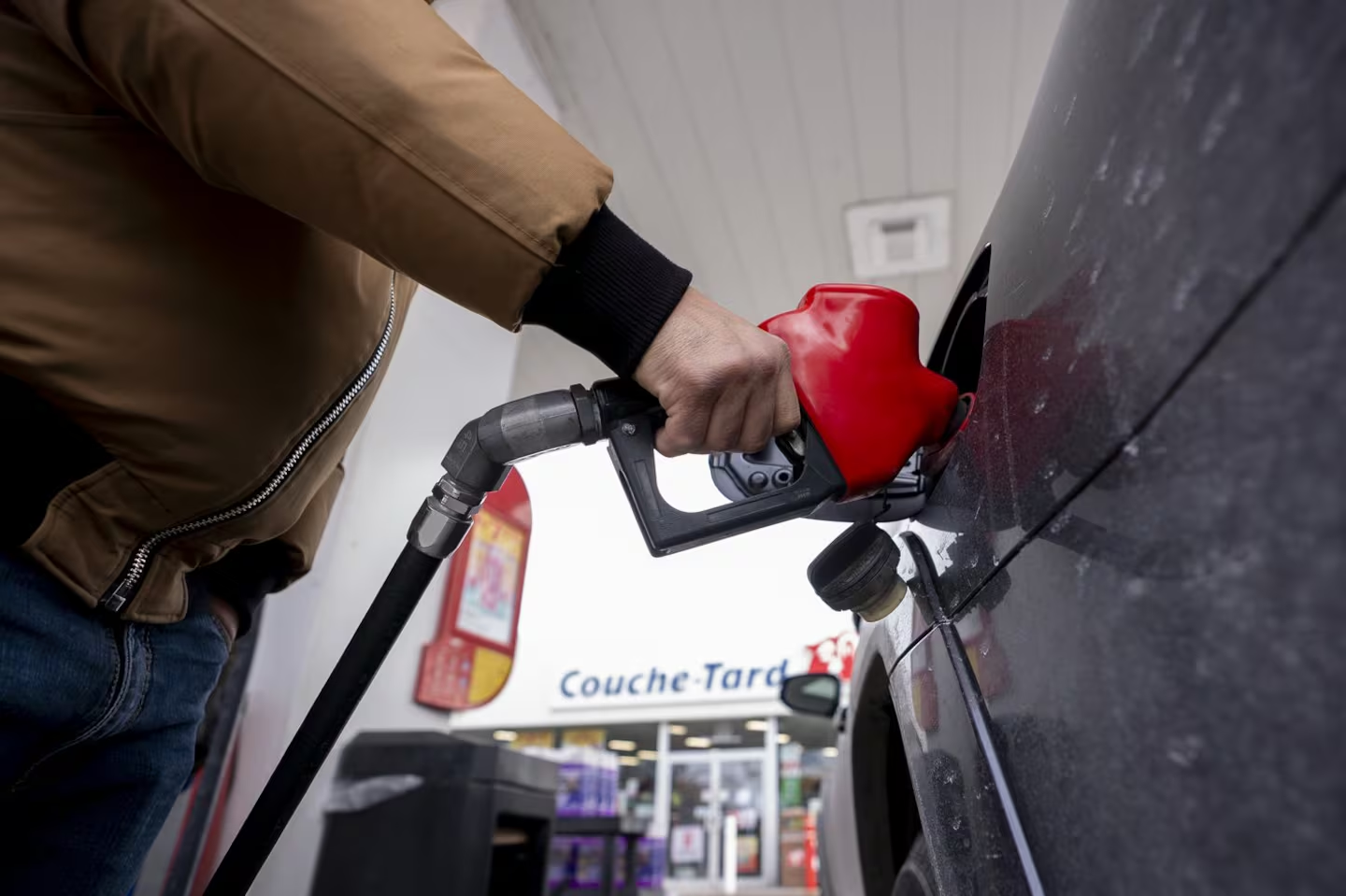
A person fills up their car at a gas station in Montreal on Thursday, March 5, 2026.
As fuel prices continue to climb, many drivers are feeling the strain every time they pull up to the pump. While the cost of gas may be beyond individual control, experts say improving fuel efficiency is well within reach, often through simple adjustments that can make a noticeable difference over time.
At a time when prices are nearing record highs in some areas, even small changes in vehicle maintenance and driving habits can help reduce fuel consumption and ease the financial burden.
Fuel Efficiency Starts with Proper Vehicle Maintenance
One of the most effective ways to avoid wasting fuel is by ensuring your vehicle is properly maintained. According to auto experts, components like air filters and spark plugs play a crucial role in how efficiently an engine uses fuel.
A clogged air filter can restrict airflow to the engine, forcing it to burn more fuel to maintain performance. Similarly, worn-out spark plugs may lead to incomplete combustion, meaning not all the fuel being used is converted into energy efficiently.
Regular maintenance checks can therefore prevent unnecessary fuel loss while also extending the life of the vehicle.
Tire Pressure Plays a Bigger Role Than You Think
Among all factors affecting fuel efficiency, tire pressure is often overlooked, yet it can have a significant impact. Under-inflated tires create additional resistance on the road, making the engine work harder and consume more fuel.
Experts highlight that this is one of the most common and easily fixable causes of poor fuel efficiency. Keeping tires properly inflated not only improves mileage but also enhances safety and driving performance.
Reducing Weight Can Improve Fuel Efficiency
Another simple yet effective tip is to remove unnecessary weight from your vehicle. Carrying extra items in the trunk or back seat may seem harmless, but over time, the added load can reduce fuel efficiency, especially in stop-and-go traffic.
Drivers who frequently make short trips or commute within the city may notice greater savings by lightening their vehicle and minimizing excess cargo.
Driving Habits Make a Noticeable Difference
Beyond maintenance, everyday driving behavior plays a crucial role in fuel consumption. Smooth acceleration and gradual increases in speed can significantly reduce the amount of fuel used compared to aggressive driving.
Anticipating stops and allowing the vehicle to coast instead of braking abruptly can also help conserve fuel. These small adjustments, when practiced consistently, can lead to meaningful savings over time.
Short Trips vs Long Drives: What Works Better?
Interestingly, the length and type of trips also influence fuel efficiency. Short drives, especially in city conditions, tend to consume more fuel because the engine does not reach its optimal operating temperature.
In contrast, longer drives at steady speeds, such as highway cruising, allow the engine to run more efficiently. For this reason, combining errands into a single trip can be a smart strategy for reducing fuel usage.
Drivers Adapt to Rising Fuel Costs
As fuel prices rise, many drivers are already adjusting their habits to cope with increasing expenses. Some are limiting non-essential trips, while others are planning routes more carefully to reduce overall driving.
Consolidating errands, cutting back on leisure drives, and being more mindful of fuel consumption have become common practices for those looking to stay within budget.
Small Changes, Big Savings
Ultimately, avoiding wasted fuel does not require drastic measures. Instead, it involves a combination of regular vehicle maintenance, mindful driving, and practical adjustments to daily routines.
By paying attention to these simple factors, drivers can improve fuel efficiency, reduce unnecessary expenses, and make the most out of every tank, even as fuel prices continue to rise.