Most of America “springs forward” Sunday, March 10, 2024, for daylight saving time, and losing that hour of sleep can do more than leave you tired and cranky the next day. It also could affect your health. (AP Photo/Charles Krupa, File)
On Sunday, most of the United States will transition to daylight saving time, a shift that not only steals an hour of sleep but also carries potential health risks. The disruption in sleep patterns caused by darker mornings and longer evenings can disturb the body's internal clock, leading to sleep difficulties that may persist for weeks. Research indicates a surge in heart attacks and strokes following the March time change.
To mitigate the effects, health experts recommend strategies such as increasing exposure to sunlight to help recalibrate the body's circadian rhythm for better sleep quality. Dr. Eduardo Sanchez of the American Heart Association emphasizes that the adjustment period varies among individuals and advises understanding the body's transition process.
Daylight saving time commences at 2 a.m. on Sunday, resulting in the loss of one hour of sleep across most of the U.S. The change will revert on November 3 when clocks "fall back" as daylight saving time concludes. While Hawaii and most of Arizona maintain standard time year-round, other U.S. territories and several countries worldwide also observe varying daylight saving time schedules.
Many individuals attempt to prepare for the time shift by adjusting bedtime in the days leading up to it. However, with a significant portion of American adults already sleep-deprived, catching up on rest can pose challenges.
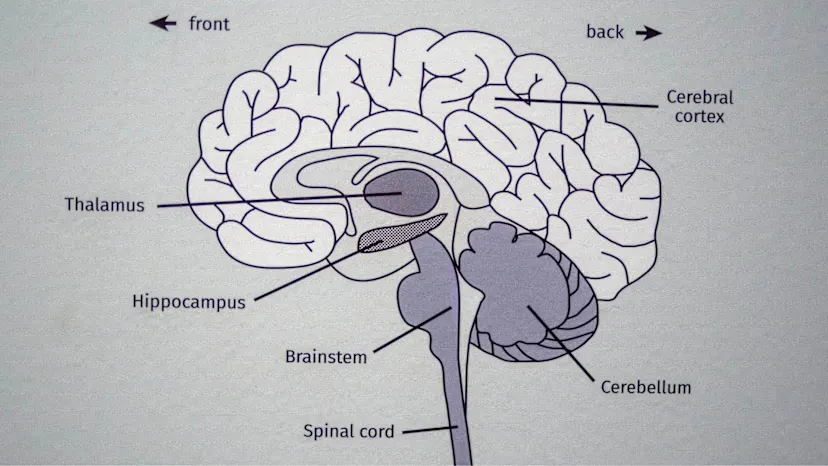
The body's master clock, regulated by exposure to light and darkness, governs the circadian rhythm, determining sleep-wake cycles. Disruption of this rhythm, exacerbated by evening light, delays the release of melatonin, leading to sleep disturbances and impacting various physiological processes beyond sleep.
Studies have linked sleep deprivation to adverse health outcomes, including heart disease, cognitive decline, and obesity. The risk of fatal car accidents temporarily rises following the spring time change, attributed to sleep deficits. Additionally, research suggests an increase in heart attacks and strokes in the days following daylight saving time transitions.
Health experts recommend preemptive measures such as adjusting bedtime and increasing exposure to morning light to facilitate adaptation. Conversely, factors like afternoon naps, caffeine consumption, and evening screen time can hinder the transition to an earlier bedtime.
Some health organizations advocate for eliminating time switches altogether, favoring a year-round standard time approach that aligns better with natural light cycles and human biology.