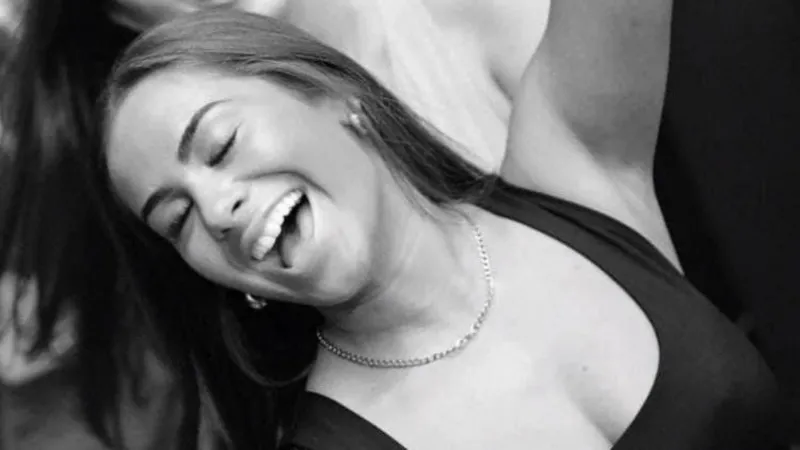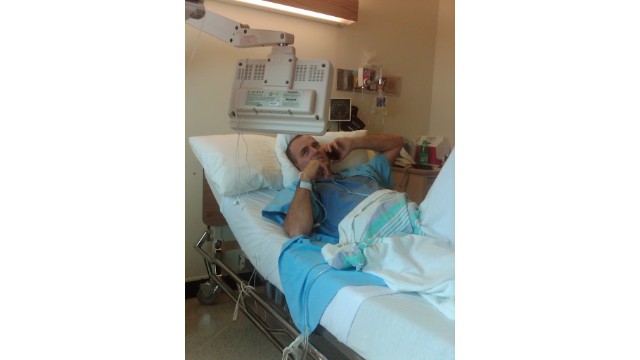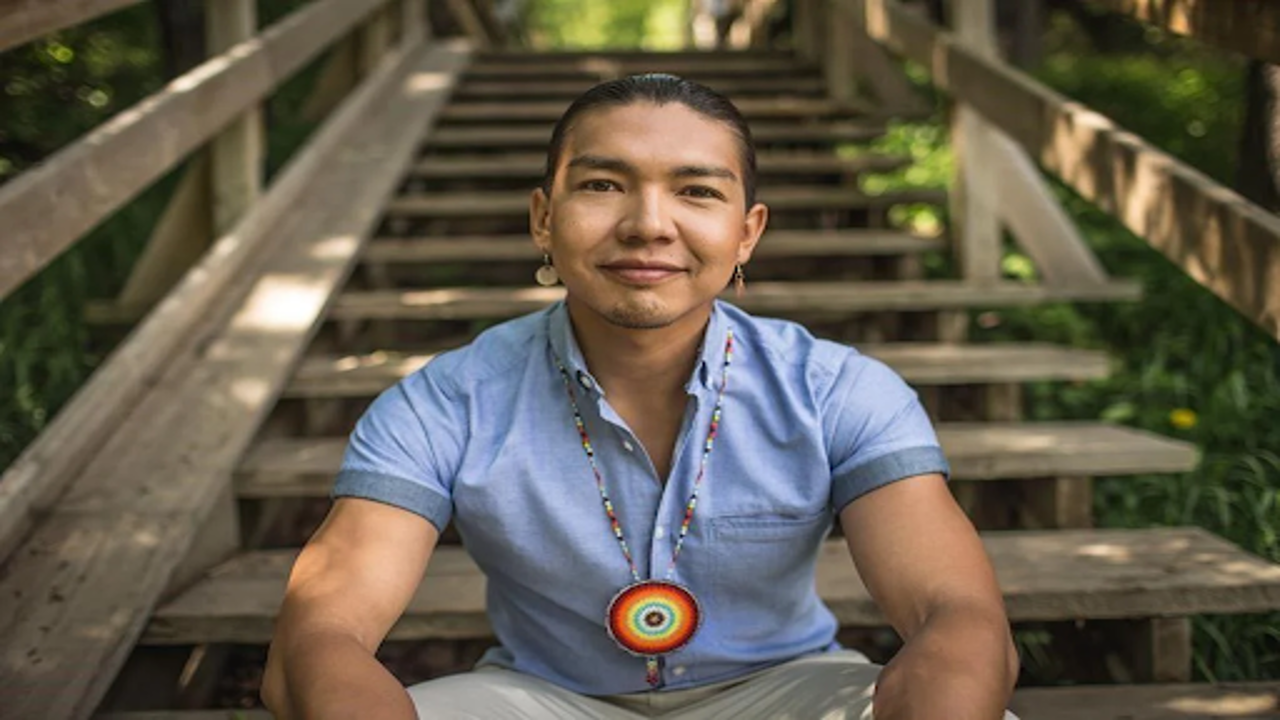
Dr. James Makokis, as shown in this undated handout image, a Nehiyô family physician in Kehewin Cree Nation, provides transgender focused healthcare in south Edmonton. As someone intimately familiar with the need for cultural spaces, he was disappointed when there wasn’t a ceremonial room for his husband to smudge at an Alberta hospital. THE CANADIAN PRESS/HO
Dr. Michael Anderson still vividly remembers a First Nations child who was flown into the pediatric ward in Toronto where he worked three decades ago. Standing by the nursing station, Anderson overheard a doctor, whom he once admired, make a racist comment about the child’s parents. The doctor assumed they would be absent, saying, "They’ll be drunk for a week" and only come back when it was time to take their child home.
This experience profoundly impacted Anderson, a surgical oncologist with Mohawk roots. It led him to hide his Indigenous background, fearing that he would be judged similarly. "I thought, if they know I’m First Nations, they’ll think the same about me, and I needed their recommendation letters," Anderson recalls.
Though discussions around inclusivity have evolved, Anderson points out that discrimination is still alive in Canada's medical field. Despite Indigenous people making up over 4.5% of Canada’s population, less than 1% of the country's physicians identify as Indigenous, according to the Canadian Medical Association (CMA).
In response to the Truth and Reconciliation Commission's calls to action, Canada’s medical schools pledged in 2019 to increase Indigenous enrolment. Dr. Nel Wieman, the chief medical officer of health at British Columbia’s First Nations Health Authority, sees some progress, noting there are more Indigenous physicians now compared to the 1990s when she was in residency. Yet, she believes representation is still far below where it should be.
Last week, the CMA issued a historic apology to Indigenous patients and health-care workers, acknowledging the racism and discrimination they have faced. However, many Indigenous doctors say the apology will only hold meaning if it leads to real change.
Dr. Elisa Levi, a family doctor, returned to school at 39 with the goal of practicing in her home community, the Chippewas of Nawash Unceded First Nation. However, she faced numerous obstacles, including limited funding for reserve-based clinics. Despite the barriers, Levi remains determined, questioning how to make healthcare less institutionalized and more culturally appropriate for Indigenous people.
Indigenous health professionals also face racism within the medical education system. Wieman recalls that when she was a student in the '90s, the curriculum perpetuated stereotypes. For instance, students were asked to evaluate a case study of a First Nations woman with alcohol dependency and poverty issues. The racism embedded in medical training is slowly being addressed, but significant gaps remain.
Dr. James Makokis, a Cree physician, also faced overt racism during his medical training, including physical and verbal abuse from colleagues. These experiences highlight the ongoing challenges Indigenous doctors face even today.
Though some institutions are taking steps to create more culturally inclusive spaces, Anderson, who now leads Indigenous health initiatives at the University Health Network in Toronto, notes there is still much work to be done. Cultural practices like smudging are not universally supported, but there are signs of progress, like hospitals offering sacred spaces for ceremonies. However, Anderson emphasizes that health care remains complicit in harming Indigenous people, both historically and in the present.