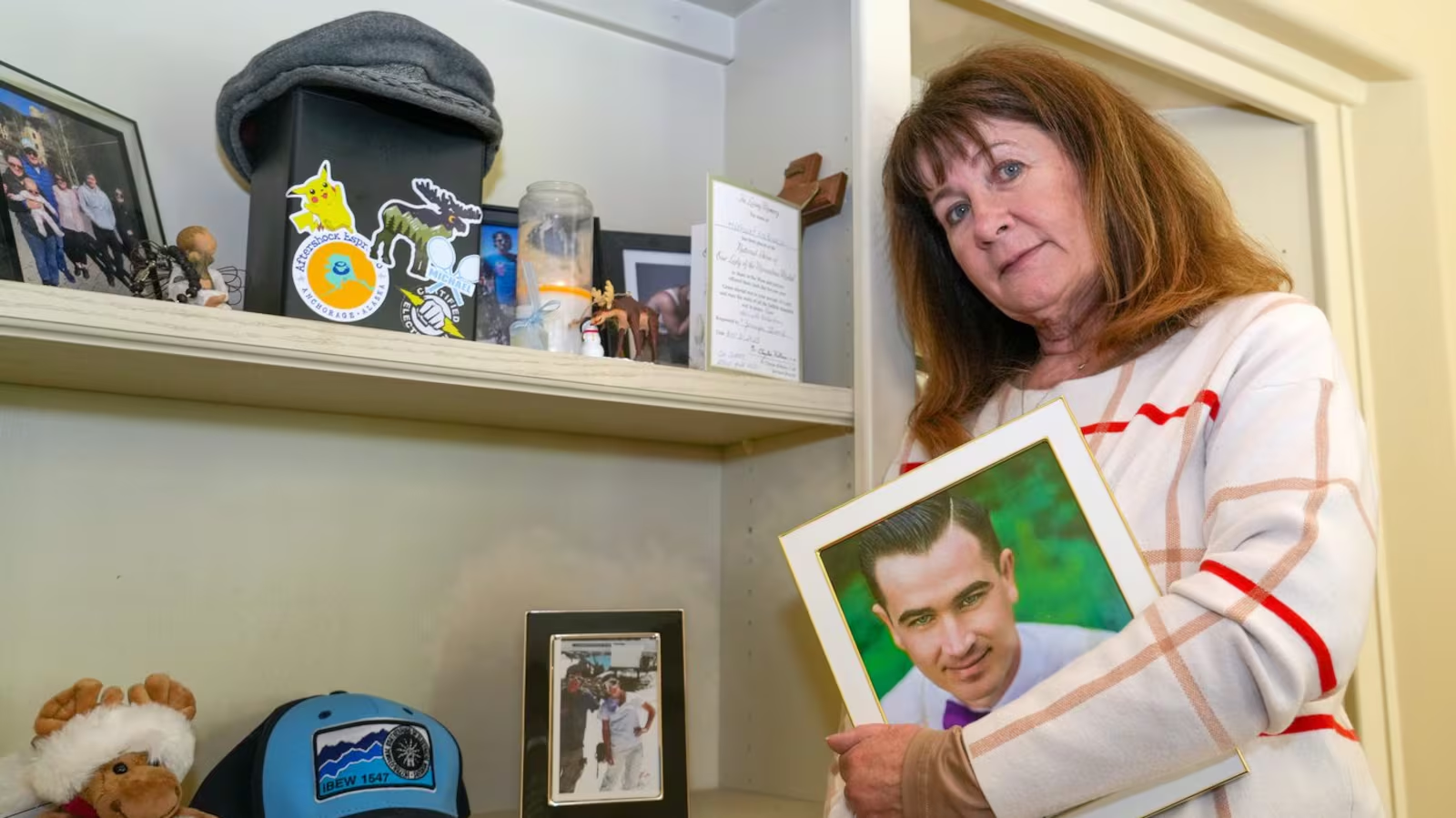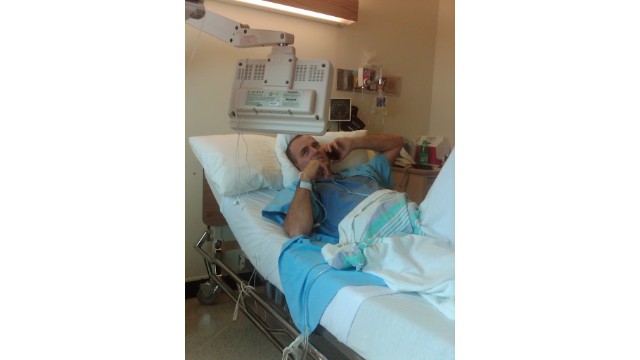
Warren Kotler, who has lived with Stage 4 breast cancer for eight years, says he wants to have the option of taking a new but expensive drug that has only approved for female patients in Canada. (Turgut Yeter/CBC News)
Warren Kotler has defied the odds. Eight years ago, doctors told him he had only three to five years to live due to Stage 4 metastatic breast cancer, a disease more common in women and rare among men, who represent just one percent of cases.
Now 61, Kotler has undergone various drug treatments and radiation therapy. Remarkably, his quality of life remains high. He got married two years ago, travels frequently, and enjoys long bike rides. However, Kotler is aware that his cancer could eventually resist treatment. His strategy, developed with his medical team, is simple: "Stick around long enough for new drugs to come along, and hopefully, they will help," he said.
Recently, his oncologist recommended a new drug, capivasertib, marketed as Truqap. Approved in Canada in January 2024, clinical studies indicate that Truqap may delay the progression of certain advanced breast cancers for several months. These cancers are HR positive and HER2-negative, meaning they respond to hormone therapy and lack the protein HER2, which can accelerate tumor growth. Truqap works by blocking an enzyme called AKT, crucial for cell growth.
However, Truqap comes with a hefty price tag—about $10,000 for a 28-day supply. While Kotler receives assistance for some expensive medications through Ontario’s Trillium Drug Program, Truqap is not covered.
Kotler's medical team requested that the drug manufacturer provide the medication free of charge through a patient support program. But AstraZeneca, the manufacturer, declined, citing Health Canada's approval of the drug exclusively for women.
Health Canada’s reasoning is that too few men participated in the clinical trial—only seven out of approximately 700 participants. For these men, Truqap appeared to delay cancer progression for about two months, compared to seven months for the broader study group. Health Canada also raised concerns about the drug’s side effects, including diarrhea, rash, and nausea.
In contrast, Canada’s Drug Agency, an independent organization providing evidence-based guidance to healthcare decision-makers, reached a different conclusion. Their expert review committee recommended that Truqap be reimbursed for all adult patients, noting that the small number of male participants in the study reflects the rarity of breast cancer among men.
For Kotler, it's about having a choice. "In terms of quality of life, I want to make an informed decision," he said. "But with Truqap, I don’t have that option."
Dr. Philippe Bedard, Kotler’s oncologist, finds the situation frustrating. "Historically, men have been excluded from these trials, but the disease behaves similarly in men and women," he said.
Given the rarity of breast cancer in men, gathering sufficient data can take longer. Dr. Gerald Batist, director of the Segal Cancer Centre in Montreal, argues that flexibility and common sense are needed in such cases. "We need access to better drugs, and that’s urgent," he said.
For patients like Kotler, the urgency is all too real. "I need to keep going. I have a lot to do. I have three kids," he said.