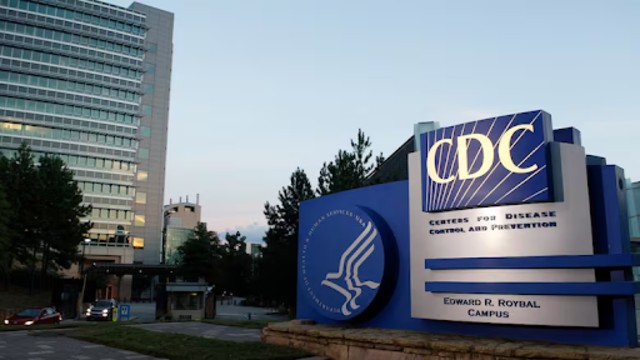
A September 2014 file photo shows a general view of the U.S. Centers for Disease Control and Prevention headquarters in Atlanta, a key agency monitoring the Nevada dairy worker bird flu case.(Tami Chappell/Reuters)
A dairy worker in Nevada has recovered after contracting a rare strain of bird flu, federal health officials confirmed on Monday. The infection was different from the bird flu strain that has been spreading in U.S. cattle herds since last year.
Mild Symptoms, Full Recovery
The worker’s symptoms were mild, with eye redness and irritation being the primary issues. Similar symptoms have been observed in previous bird flu cases linked to dairy cows. The individual was not hospitalized and has now fully recovered, according to the Centers for Disease Control and Prevention (CDC).
First Known Cow-to-Human Infection
The particular strain had been previously detected in over a dozen people exposed to poultry. However, this is the first recorded case where the infection was traced to a cow. The exposure happened at a farm in Churchill County, Nevada, located in the west-central part of the state, as confirmed by state health officials.
The CDC has found no evidence of human-to-human transmission in this case. Officials continue to maintain that the virus poses a low risk to the general public.
Two Strains of Bird Flu in U.S. Cattle
The bird flu currently spreading in animals is identified as Type A H5N1 influenza. However, scientists have observed different strains within this category.
A strain called B3.13 was detected in March after it began spreading among cattle in late 2023. It has since infected 962 cattle herds across 16 states, with most cases concentrated in California.
A newer strain, D1.1, was confirmed in Nevada cattle on January 31. It was identified in milk samples collected through a monitoring program launched in December.
Concerns Over Viral Spread
The discovery of D1.1 in dairy cows suggests that bird flu strains have jumped from wild birds to cattle at least twice. Experts worry that this could indicate a wider and more complex spread, making it harder to contain infections among animals and workers.
CDC data shows that at least 68 people in the U.S. have been infected with bird flu in the past year. The majority of cases involved workers handling cows or poultry. Most infections were linked to the B3.13 strain. Previously, D1.1 had only been reported in cases from Louisiana and Washington state. However, new CDC data now suggests that D1.1 may have infected 15 people in five states last year: Iowa, Louisiana, Oregon, Washington, and Wisconsin. All these cases were related to poultry exposure.
Deadly Impact of the D1.1 Strain
The D1.1 strain has already been linked to serious cases and fatalities. In January, a Louisiana resident died after developing severe respiratory symptoms following exposure to wild and backyard birds. In Canada, a teenager from British Columbia was hospitalized for weeks after contracting the virus from poultry.
Precautionary Measures
Although the CDC maintains that the risk to the general public remains low, they advise people who work closely with infected animals—such as dairy workers, poultry handlers, and farmers—to take extra precautions. The agency recommends using protective equipment to minimize exposure and prevent further spread.