A close-up view of an HIV/AIDS awareness ribbon. (Getty Images)
A professor in Saskatchewan is working on a new research project aimed at improving the lives of Indigenous people living with HIV in a province with the highest infection rates in Canada. Andrew Eaton, a social work professor at the University of Regina, has been developing a specialized therapy program called cognitive remediation group therapy (CRGT) over the past decade.
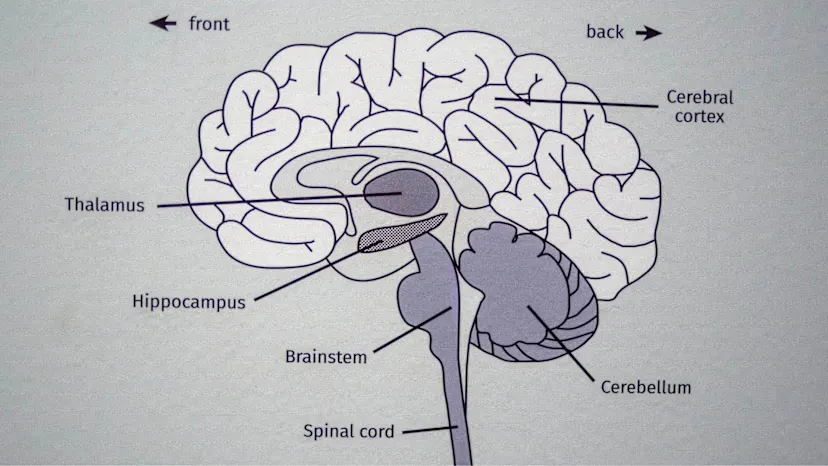
HIV, like many other conditions, can lead to cognitive impairments that affect memory, focus, and processing speed. Eaton’s CRGT program is designed to address these issues by using group therapy techniques that incorporate stress reduction and brain-training exercises. While similar programs are already in use in Toronto hospitals, Eaton wants to adapt this therapy to better suit Indigenous patients by including traditional practices such as smudging and drumming.
Eaton’s goal is to create a supportive and culturally sensitive environment for Indigenous patients. He believes that acknowledging and respecting cultural norms and traditions is crucial for effective healthcare. This approach is especially important given that Saskatchewan has the highest rate of new HIV diagnoses in Canada—19 per 100,000 people, which is four times higher than the national average. Indigenous people are disproportionately affected, making up about 60 to 70 percent of HIV-positive patients in the province, according to AIDS Programs South Saskatchewan (APSS).
The high rate of HIV among Indigenous populations in Saskatchewan is partly due to a lack of accessible healthcare in rural and remote areas and a mistrust of the healthcare system. Eaton is working closely with First Nations and Métis elders, as well as organizations like APSS, to ensure that the CRGT program is both accessible and culturally appropriate.
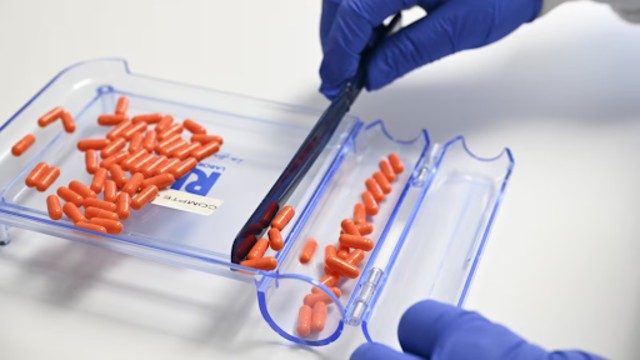
Vidya Reddy, an education and research specialist with APSS, supports the initiative, noting that a targeted and effective program will be a significant step forward. The stigma associated with HIV is a major barrier to treatment, says Tashia Acoose, a peer support coordinator with APSS. She emphasizes that HIV is no longer a death sentence due to advancements in medication and that people can now live long and healthy lives with proper care.
Acoose also highlights the importance of privacy and discretion in testing. At-home test kits provide a confidential option for individuals to learn their HIV status, which can help reduce the stigma and fear associated with the condition.
Eaton aims to implement the CRGT program in First Nations communities and rural areas within the next year. His work represents a crucial effort to address health disparities and improve the quality of life for Indigenous people living with HIV.