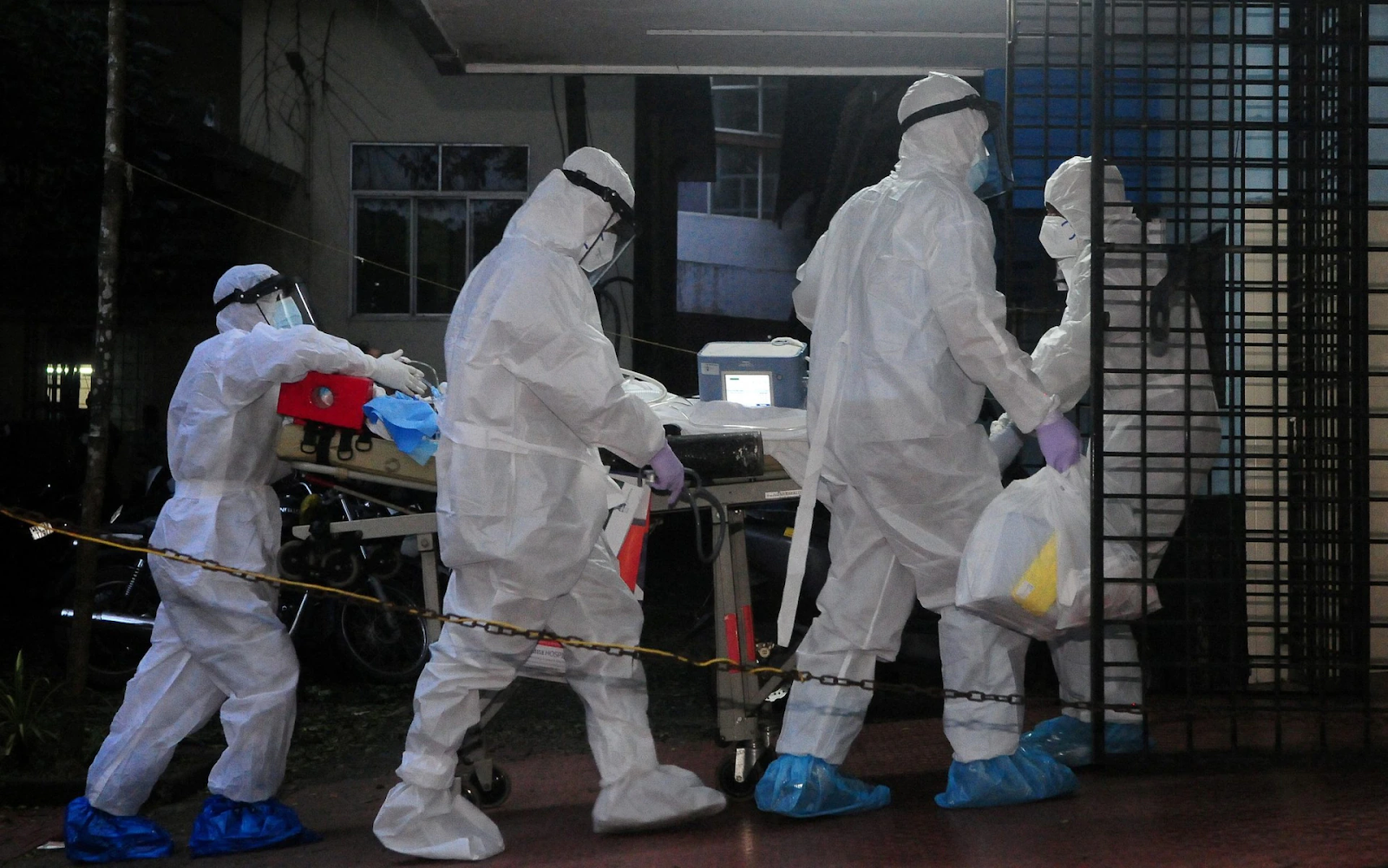
India has faced sporadic outbreaks of Nipah recently, including one in Kerala two years ago. Credit: REUTERS
India is racing to contain a fresh Nipah virus outbreak in West Bengal after five confirmed infections, including healthcare workers. Nearly 100 people have been placed under home quarantine, while patients are receiving treatment in hospitals around Kolkata. One case is reported to be critical, raising concerns among health authorities.
Nipah virus is classified as a high-risk pathogen by the World Health Organization due to its high fatality rate and lack of approved treatment or vaccine. Human infections are rare but dangerous, often occurring when the virus spills over from bats to people through contaminated food or close contact.
What Is Nipah Virus and Why Is It Dangerous
Nipah virus is a zoonotic virus that can spread from animals to humans and between people. Fruit bats are the primary natural hosts, and the virus can infect humans through direct contact with bats, contaminated fruits, or infected animals such as pigs.
Person-to-person transmission has also been documented, especially through close contact with bodily fluids of infected individuals, making outbreaks difficult to control.
Symptoms That Are Easy to Miss Early On
Nipah infection often begins with general flu-like symptoms, which makes early diagnosis challenging. Patients may develop fever, headache, muscle pain, and fatigue. Respiratory symptoms such as cough, breathing difficulty, or pneumonia can also appear, though severity varies widely.
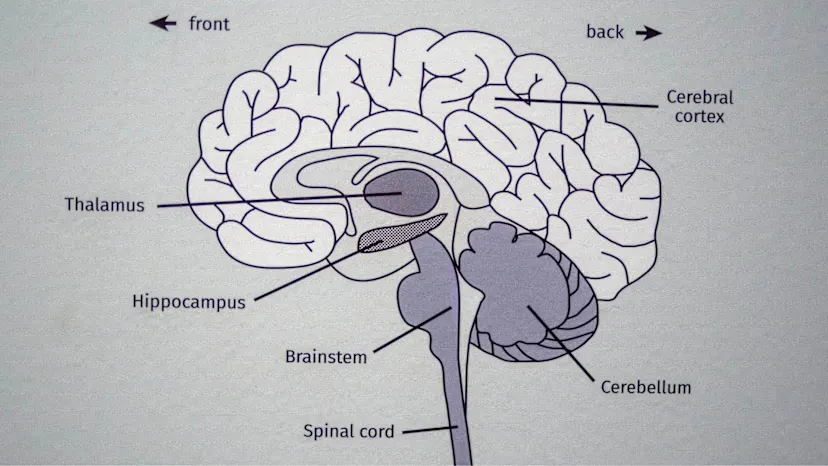
The most serious complication is encephalitis, an inflammation of the brain. Neurological symptoms such as confusion, seizures, altered consciousness, or coma may develop days or weeks after initial illness. Some patients can also develop meningitis.
High Fatality Rate and Long-Term Effects
Nipah virus outbreaks have reported fatality rates between 40 and 75 percent, depending on the strain and healthcare response. Survivors may suffer long-term neurological issues, including seizures and personality changes.
In rare cases, encephalitis can recur months or even years later due to relapse or viral reactivation, adding to the long-term risks associated with the infection.
How the Virus Spreads
The virus spreads through multiple pathways. People can become infected by consuming fruits or raw date palm sap contaminated by bat saliva, urine, or feces. Direct contact with infected animals, especially pigs, also poses a risk.
Human-to-human transmission occurs through close contact with infected individuals, particularly caregivers and family members, highlighting the importance of strict infection control measures.
Origins and Past Outbreaks
Nipah virus was first identified in 1999 during an outbreak among pig farmers in Malaysia and Singapore. Since then, repeated outbreaks have occurred in South Asia, especially in Bangladesh and India.
India has seen cases in northeastern states and Kerala, with Kerala reporting its first outbreak in 2018, followed by sporadic cases. Beyond South Asia, infections have been reported in the Philippines, linked to Nipah or closely related strains.
Scientific studies confirm fruit bats as the natural reservoir, with evidence of the virus detected in bat populations across Asia and parts of Africa.
No Vaccine or Cure Yet
There is currently no approved vaccine or targeted treatment for Nipah virus infection. Medical care focuses on supportive treatment and managing complications. The WHO lists Nipah as a priority pathogen requiring urgent research due to its epidemic potential.
How to Reduce the Risk of Infection
Health agencies recommend avoiding consumption of raw date palm sap and fruits that may be contaminated by bats. Washing and peeling fruits thoroughly and discarding fruits with bite marks can reduce risk.
People handling sick animals should use protective clothing and gloves. Pig farms in bat-prone areas should protect feed and enclosures to limit contamination.
To prevent human-to-human spread, close contact with infected individuals should be avoided, and strict hand hygiene should be followed for caregiving or hospital visits.
Nipah Virus and Popular Culture
The deadly potential of the Nipah virus has influenced popular culture, including the 2011 film Contagion. The movie drew inspiration from real-life zoonotic viruses like Nipah to portray how such pathogens could trigger a global health crisis.
Growing Concern as India Responds
The current outbreak has prompted heightened surveillance and containment measures in West Bengal. Authorities are tracing contacts, enforcing quarantines, and monitoring healthcare facilities to prevent further spread.
Experts warn that while outbreaks are rare, Nipah’s high fatality rate and lack of treatment make early detection and prevention critical.