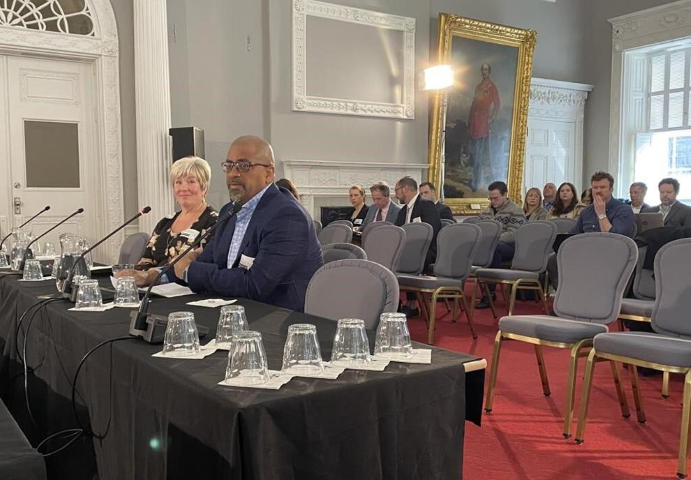
The provincial government is proposing a legislative change that would give the health minister access to personal health information to plan and manage the health system. THE CANADIAN PRESS/Keith Doucette
A Nova Scotia resident, Carrie Smith from Digby, raised concerns about potential risks to patient privacy in the province. Speaking before a legislature committee on Monday, Smith, a sexual assault survivor, highlighted the importance of maintaining limits on access to sensitive medical information.
Smith expressed apprehension regarding a change in legislation that she believes could grant the province overly broad access to patient health data. The proposed amendment, included in an omnibus bill that modifies 15 provincial acts, including the Personal Health Information Act, would allow the health minister to access personal medical information for purposes such as health system planning, resource allocation, and the establishment or maintenance of electronic health record programs and services.
During her testimony, Smith emphasized the crucial role of trust in healthcare delivery, particularly for survivors of assault seeking treatment. She voiced concerns that survivors could lose confidence in the healthcare system if they were not consulted about the release of their medical records. Smith underscored the significance of patient consent, stating that granting custodians access to detailed patient records without consent should not be considered a best practice.
Furthermore, Smith stressed the importance of confidentiality, especially regarding mental health diagnoses and trauma-related information. She argued that such details should remain confidential between patients and healthcare providers unless required by law to save a life.
Smith warned of potential risks to lives if patient privacy is compromised, emphasizing the need for safe healthcare practices. However, despite the warnings raised by Smith and representatives from two doctors' organizations in the province, no new changes were adopted by the government majority on the committee. The legislation was sent back to the legislature for further debate and final reading.
In response to concerns raised by Smith and others, Health Minister Michelle Thompson stated that the government seeks aggregate data about how patients utilize the health system and does not require individual information. Dr. Gus Grant, registrar and CEO of the College of Physicians & Surgeons of Nova Scotia, urged clarification of the bill's language to ensure that gathered information cannot be identified to individual patients.
Doctors Nova Scotia, representing over 3,500 physicians, expressed support for establishing a data governance framework and oversight committee to monitor information access and usage. While acknowledging the government's intentions as "well intentioned," Dr. Colin Audain, president of Doctors Nova Scotia, proposed an amendment to ensure future governments uphold privacy protections.
Overall, the testimony and feedback provided by Smith and healthcare representatives underscore the need for careful consideration of patient privacy concerns in the development of health legislation in Nova Scotia.