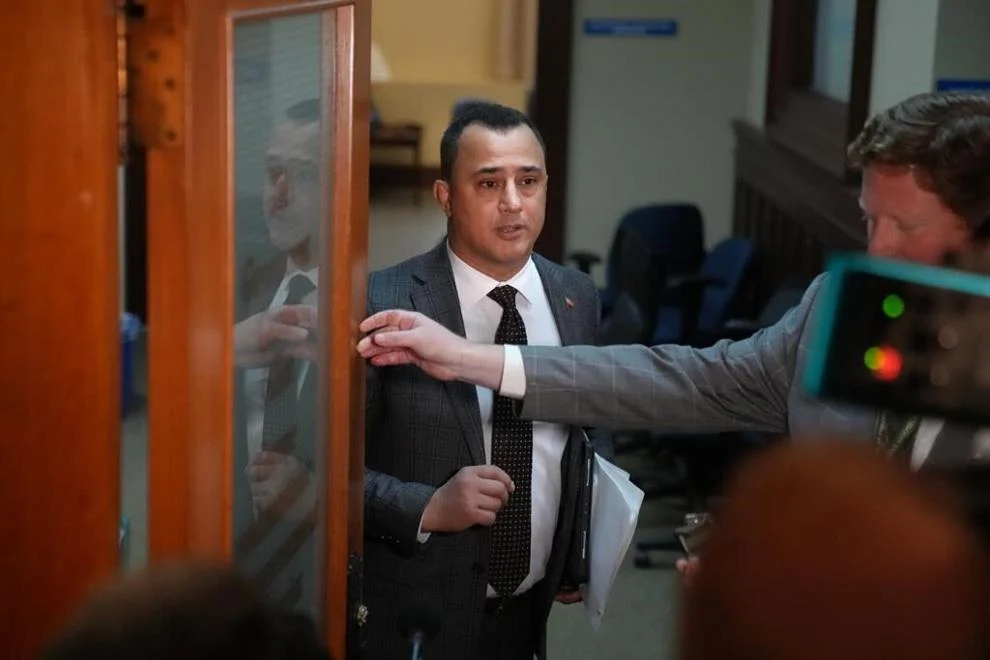
Michael Parsa, Ontario Minister for Children, Community and Social Services, speaks to reporters at the Queen's Park Legislature, in Toronto, Monday, Oct. 16, 2023. THE CANADIAN PRESS/Chris Young
Ontario is increasing its financial support for autism services by $60 million compared to the previous year. While advocates acknowledge the welcomed addition in the recent provincial budget, they highlight the persisting issue of many children being unable to access necessary therapy.
In the budget announcement, $120 million was allocated for the autism program. However, the government clarified that this includes a $60-million "one-time" supplement to last year's funding. Although this brings the total funding for the Ontario Autism Program to $720 million, it falls short of meeting the overwhelming demand.
The Progressive Conservative government has attempted various revisions to the program, as did the previous Liberal administration. However, delays in implementing the latest version have caused the waitlist for services to grow substantially.
Alina Cameron, president of the Ontario Autism Coalition, acknowledges the positive step forward with the increased funding but raises concerns about the substantial number of children still awaiting assistance. With over 60,000 children currently on the waitlist, Cameron questions the extent of celebration warranted by the funding boost given the magnitude of unmet needs.
While the total number of children and youth enrolled in the program exceeds 60,000, many have received limited support through temporary funding or entry-to-school programs. The primary requirement for many families is core clinical services like applied behavior analysis.
NDP critic Monique Taylor argues that the allocated $120 million is insufficient, emphasizing the need for a reevaluation to ensure children receive timely and adequate services.
Upon assuming responsibility for the file, Minister of Children, Community, and Social Services Michael Parsa was informed that the program budget of $667 million would only accommodate approximately 20,000 children in core clinical therapies. By the end of 2023, around 17,000 children were enrolled in core services, with fewer than 14,000 receiving funding for these services.
The provincial budget states that the $120 million will support enrolling 20,000 children and youth in core clinical services, raising questions about the discrepancy between the projected and actual numbers of children receiving services.
Minister Parsa asserts the government's commitment to supporting families affected by autism, emphasizing efforts to increase treatment capacity and ensure adequate service provision.
The relationship between the Progressive Conservative government and the autism community has been fraught with challenges, particularly under former Minister Lisa MacLeod. Changes implemented during her tenure were heavily criticized by families, leading to strained relations.
While the community also experienced communication issues under former Minister Merrilee Fullerton, there are signs of improvement under Parsa's leadership. Advocates appreciate the government's outreach efforts and hope for greater transparency and collaboration moving forward.
In summary, Ontario's increase in autism funding is a positive development, but significant challenges remain in meeting the needs of affected children and families. Advocates stress the importance of ongoing dialogue and concerted efforts to address the ongoing issues within the autism support system.