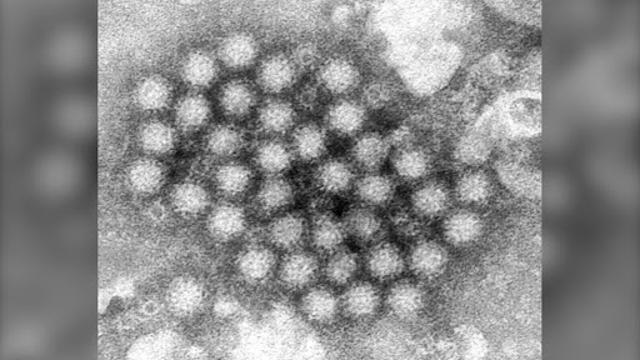
This electron microscope image, shared by the Centres for Disease Control and Prevention, displays a group of norovirus particles. (THE CANADIAN PRESS/AP-HO, CDC, Charles D. Humphrey)
The Canadian Food Inspection Agency (CFIA) has announced the recall of certain oysters distributed in British Columbia, Alberta, and Ontario due to potential contamination with norovirus. The affected oysters were sold under the Taylor Shellfish Canada brand, which includes popular varieties such as Fanny Bay, Sunseeker, and Cloudy Bay. This recall is a precautionary measure, as these oysters might pose a health risk to consumers.
The oysters in question were primarily harvested and processed in early December. However, some batches may have been collected as early as November 27. These oysters were then distributed across the three provinces, sparking concerns regarding the safety of the products.
Norovirus is a highly contagious virus known to cause gastrointestinal issues. The CFIA is urging anyone who has purchased these specific oysters to return them to the store or discard them immediately. Customers who consumed any of the affected oysters and begin feeling unwell should seek medical attention. The symptoms of norovirus can appear within 12 hours of exposure and typically include vomiting, diarrhea, nausea, and stomach cramps. These symptoms can be quite uncomfortable, but in most cases, individuals recover within a few days.
While the virus generally resolves on its own, it can sometimes lead to more serious health issues. Severe cases of norovirus may require hospitalization for intravenous fluids to address dehydration, especially in vulnerable populations like young children, the elderly, or those with weakened immune systems. For this reason, it’s essential for anyone feeling unwell after consuming the oysters to contact a healthcare provider for guidance.
Consumers in the affected areas are advised to be vigilant about checking the products they’ve purchased. Even if the oysters appear to be in good condition, it’s crucial to follow the recall instructions to prevent the spread of the virus. The CFIA is continuing to monitor the situation, and any new information will be provided to the public.
Foodborne illnesses like norovirus can spread quickly, and contaminated shellfish are often a source of outbreaks. It’s always wise to stay updated on product recalls, especially for high-risk foods like oysters. In addition to causing discomfort, norovirus outbreaks can also have significant health consequences if not managed properly.
The CFIA has assured the public that steps are being taken to ensure the safety of all affected products. Consumers who have purchased oysters from the affected batches are encouraged to return them to the point of sale for a refund or disposal. While the recall may seem inconvenient, it’s a necessary step to protect public health and prevent further exposure to the virus.
In conclusion, anyone who has purchased oysters from the recalled batches should take immediate action to avoid the risk of contracting norovirus. By following the recall guidelines, the public can help minimize the spread of this virus and ensure their own safety and well-being.