Women taken into custody by U.S. immigration agents while pregnant say they received inadequate care in a letter on Wednesday. (AP Photo)
Concerns are mounting over the health and safety of pregnant women detained by U.S. immigration authorities. Advocacy groups and lawmakers say expectant mothers in federal custody face inadequate medical care and unsafe conditions.
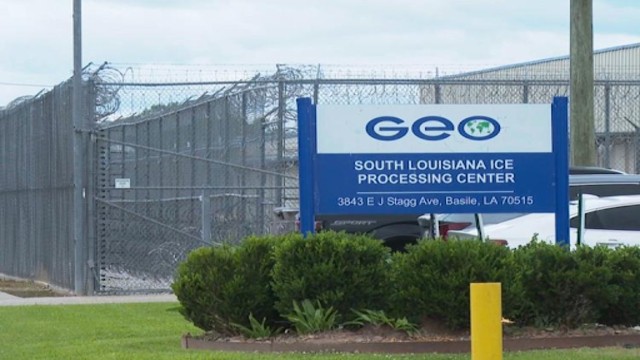
The American Civil Liberties Union (ACLU) recently sent a letter to U.S. Immigration and Customs Enforcement (ICE), highlighting reports from pregnant detainees in Louisiana and Georgia. The women described serious lapses in care, including being shackled during transport, denied sufficient food and water, and placed in solitary confinement.
Pregnant Women Face Medical Neglect
Some detainees shared deeply troubling experiences, including miscarriages and severe infections after insufficient medical attention. Others reported lack of translation services during prenatal appointments, leaving them unable to understand or advocate for their own care.
One woman, who has since been released and given birth, recalled being handcuffed for five hours across two flights. She described dizziness, nausea, and vaginal bleeding during the journey. She also said that detainees had to “beg” for water and toilet paper, and that no special diets were offered to pregnant women.
“These women reported gravely concerning conditions,” the ACLU said, noting it had met with over a dozen pregnant detainees in the past five months.
ICE Responds to Health Concerns
The Department of Homeland Security defended its care policies. Assistant Secretary Tricia McLaughlin stated that pregnant women in detention receive regular prenatal visits, mental health services, nutritional support, and other accommodations consistent with community standards.
McLaughlin added that detaining pregnant women is “exceedingly rare,” making up less than 1% of the total ICE population. She dismissed the ACLU’s letter as “unsubstantiated” and “unverifiable,” calling it an attempt to smear ICE.
However, DHS has not publicly released updated figures on pregnant, postpartum, or nursing detainees, despite repeated requests from lawmakers.
Lawmakers Push for Health Protections
Democratic lawmakers have expressed serious concern over the medical care of pregnant detainees. In September, Senate Democrats wrote to Homeland Security Secretary Kristi Noem, urging the agency to halt detention of pregnant women except under “exceptional circumstances.”
“Proper care for pregnancy is a basic human right,” said Representative Sydney Kamlager-Dove, a California Democrat. She is pursuing legislation to restrict the use of restraints on pregnant, laboring, and postpartum women in federal custody.
ICE Health Policies and Exceptions
ICE guidelines already discourage detaining pregnant, postpartum, or nursing women, except in rare or legally required circumstances. Restraints are generally prohibited, though exceptions exist if a detainee poses a credible risk of harm or escape.
Advocates argue that despite these policies, pregnant women in detention are still exposed to unnecessary health risks. The ACLU’s letter calls for a federal investigation into detention practices, highlighting the urgent need for maternal healthcare protections within ICE facilities.