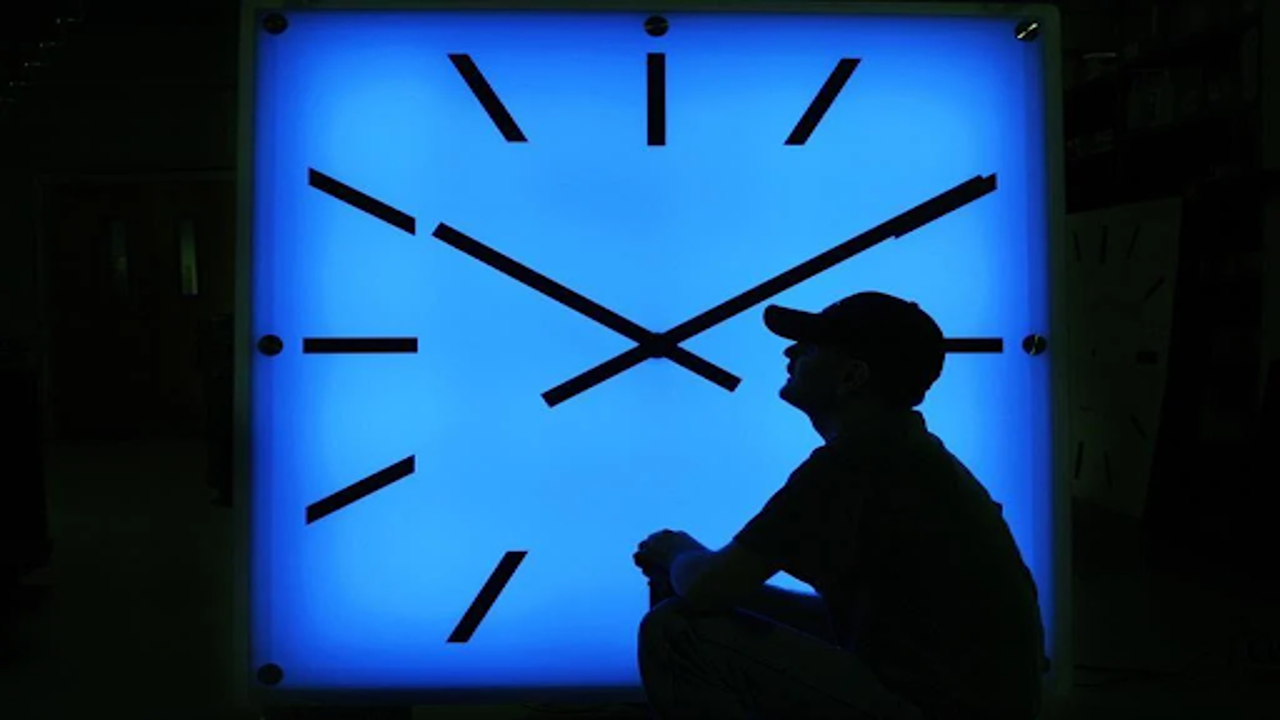
In this Oct. 30, 2008, file photo, an Electric Time Company employee adjusts the color on a clock at the plant in Medfield, Mass., days before the switch to standard time. (AP Photo/Elise Amendola via The Canadian Press)
Get ready to set your clocks back an hour next Sunday, November 3, as daylight saving time officially ends at 2 a.m. local time. The good news is an extra hour of sleep. However, it also means that by late afternoon, darkness will settle in for the next few months. Standard time will last until March 9, when clocks “spring forward” again, marking the return of daylight saving time.
The transition to daylight saving time in the spring tends to be harder on our bodies, with early morning darkness and late evening light disrupting sleep routines. This shift can make it difficult for many to get enough rest for weeks or even longer, with studies linking it to temporary increases in heart attacks and strokes.
The “fall back” shift is typically easier to adjust to, though it might still take some time to settle into a new rhythm. Leaving work after dark or fitting in outdoor exercise before nightfall can be challenging. For people with seasonal affective disorder, this lack of sunlight can trigger symptoms of depression, as shorter days are linked to mood changes for many during fall and winter.
Health organizations like the American Medical Association and the American Academy of Sleep Medicine have voiced support for ending these time changes, favoring a permanent shift to standard time as it better aligns with our natural sleep cycles and sunlight exposure.
Worldwide, most countries do not observe daylight saving time. Among those that do, primarily in Europe and North America, the dates for the clock change differ. In the U.S., Arizona and Hawaii stick to standard time year-round, opting out of daylight saving.
So, Why Do These Time Shifts Impact Our Bodies?
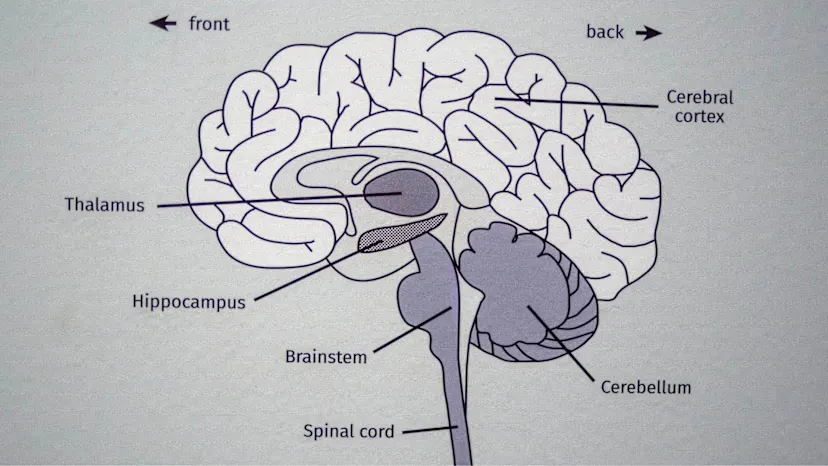
Our brains rely on exposure to light and dark to maintain a natural 24-hour circadian rhythm, which affects when we feel alert or tired. As the day begins, sunlight sets our internal clock; melatonin, the hormone that makes us sleepy, kicks in by evening. Extra evening light during daylight saving delays melatonin, throwing off this cycle.
These disruptions extend beyond just sleep, influencing heart rate, blood pressure, and stress hormones. Even an hour’s difference can cause sleep loss, especially since work and school schedules don’t adjust to the clock change. With 1 in 3 U.S. adults and over half of teens already sleep-deprived, the effects of these shifts on public health are a growing concern.
To prepare, some people gradually adjust their sleep schedules in the days leading up to the time change. Spending time in sunlight can also help reset your body’s clock and improve sleep quality.
While there’s occasional discussion among U.S. lawmakers about ending time changes altogether, recent legislative efforts like the Sunshine Protection Act, which proposes making daylight saving permanent, have stalled. However, health experts argue that if a permanent shift is made, standard time is the better choice.