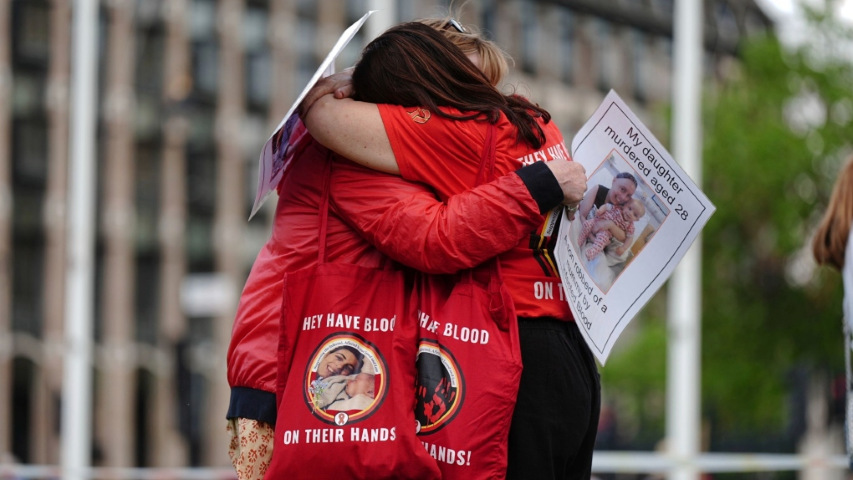
People affected by contaminated blood embrace at Parliament Square in London before the release of the final report on the scandal on May 19, 2024. (Photo: Aaron Chown/PA via AP)
British authorities and the health service did something really bad. They gave sick people infected blood, and they knew it was bad, but they didn't say anything for a long time. About 3,000 people died because of this, and many others got sick. This is the worst thing that has happened in the health service since it started in 1948.
A big investigation found out that the government and doctors didn't do their jobs properly. They didn't tell the truth about what happened, and they hid documents. The judge who looked into this said it wasn't an accident. It happened because the people in charge cared more about themselves than about the patients.
The Prime Minister apologized to the victims. People have been trying for a long time to get the truth out and to make the government pay for what they did wrong. The investigation started in 2017 and took four years. It heard from a lot of people and looked at many documents.
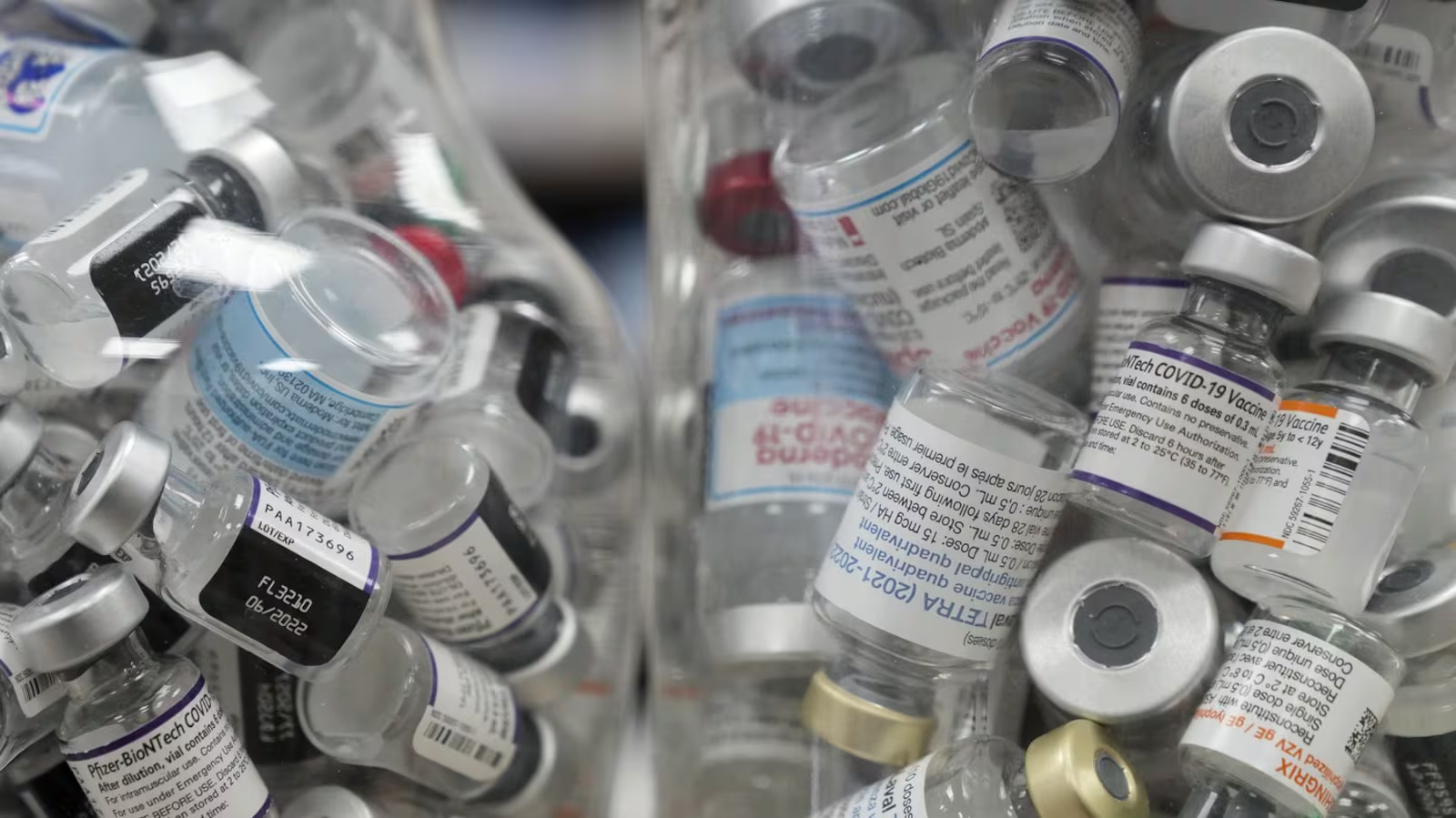
Most of the people affected had a sickness called hemophilia, which makes it hard for blood to clot. They got a new treatment from the U.S. in the 1970s. However, some of the blood used to make this treatment was from risky donors, like prisoners who were paid to give blood. Because they mixed the blood from many donors, if one person had a disease, everyone who got the treatment could get sick.
The report says that around 1,250 people with hemophilia, including 380 children, got HIV from the treatment. Three-quarters of them have died. And up to 5,000 others got a sickness called hepatitis C from the treatment.
The Prime Minister apologized again in a big meeting. He said it was a failure of the country to not take care of its people. He promised to make things right and give money to the victims.
The report says that if the government had been careful, many of these deaths and illnesses could have been stopped. They knew since the 1940s and 1980s that blood could spread diseases. But they didn't do enough to make sure the blood was safe.
The judge said that, unlike many other countries, the U.K. didn't do enough to check if blood was safe. He also said that public health officials gave risky treatments to kids with hemophilia. And when people found out they were sick, the government didn't tell them right away.
The judge said all these mistakes together were awful. A person from a group fighting for the victims said they had been ignored for 40 years. But now, with this report, things might change. A lawmaker said the people who caused this disaster should be punished, even if it happened a long time ago.