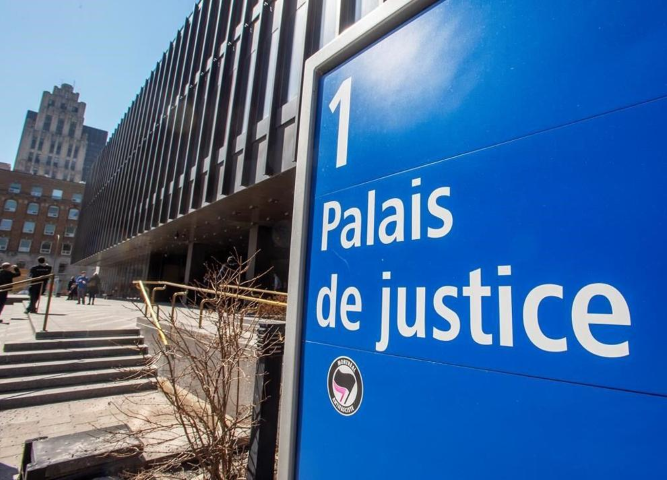
Quebec Superior Court is seen in Montreal, Wednesday, March 27, 2019. THE CANADIAN PRESS/Ryan Remiorz
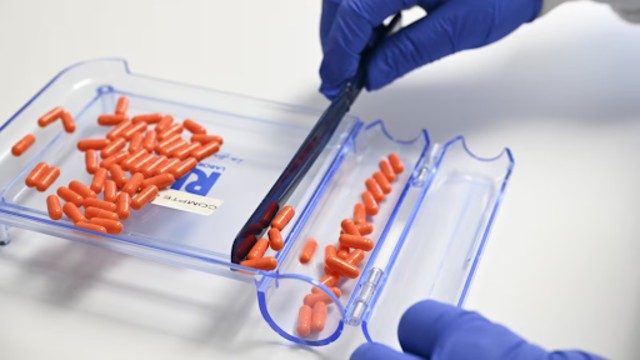
A Quebec Superior Court judge has given the green light for a class-action lawsuit against 16 pharmaceutical companies accused of misleading consumers about the effectiveness and dangers of opioid medications.
The lawsuit claims that the companies were aware of the addictive nature of these drugs but misrepresented the risks, leading to dependency among users. According to Margo Siminovitch, one of the lawyers involved in the case, opioids were traditionally used in limited medical scenarios such as palliative care or post-surgery pain relief. However, in the mid-1990s, a new narrative emerged where pharmaceutical companies promoted opioids as safe for treating various chronic pain conditions, including headaches, back pain, and arthritis. Doctors were encouraged to prescribe opioids to their patients under the belief that it was beneficial, resulting in a significant increase in opioid usage.
The representative plaintiff, Jean-François Bourassa, exemplifies the typical story behind the lawsuit. Bourassa, a former roofing company owner, was prescribed opioids after sustaining multiple fractures from a work-related injury in 2005. Over the next decade, he received various opioid prescriptions without being informed of the associated risks by his doctors or pharmacists. By 2012, Bourassa was being prescribed the maximum dose of opioids, but over time, the medication lost its effectiveness. In 2017, he sought treatment for opioid addiction and learned about the dangers of these drugs. Despite completing addiction treatment, he was prescribed opioids again at a lower dose, leading to his readmission to a drug rehabilitation program in 2018. Bourassa described his experience with opioids as "hell on Earth."
The class action lawsuit includes all Quebec residents who were prescribed opioid medications manufactured by the defendant companies between 1996 and the present and subsequently diagnosed with opioid use disorder. Notably, the lawsuit excludes certain opioids like OxyContin and OxyNEO, which were subject to a separate national class-action lawsuit that has been settled, as well as opioids exclusively used in hospitals. Some companies named in the lawsuit have settled already.
The pharmaceutical companies named in the lawsuit contested its authorization, arguing that it treated all opioids as equally addictive without providing evidence and included companies whose drugs the representative plaintiff never consumed. However, the court authorized the class action, rejecting these arguments.
Sanofi Canada, one of the named companies, stated that the court's decision was purely procedural and reiterated its denial of liability. Sandoz Canada and Teva Canada also defended the integrity of their business practices and expressed intentions to contest the claims. Meanwhile, Pfizer declined to comment, and other named companies did not respond to requests for comment.
The plaintiffs are awaiting potential appeals from the defendants and are open to settlements but prepared to go to trial if necessary. The lawsuit seeks $30,000 in damages for each member of the class, along with additional damages on an individual basis, and $25 million in punitive damages.
Separately, the Quebec government has joined a proposed class-action lawsuit initiated by the government of British Columbia against numerous opioid manufacturers, seeking compensation for healthcare costs related to the opioid crisis.