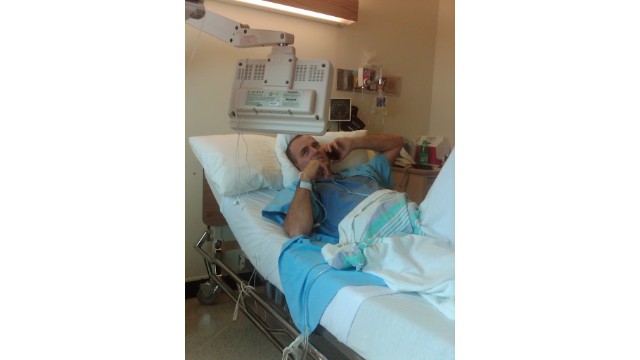
. Richard “Rick” Slayman, the first recipient of a genetically modified pig kidney transplant, has died nearly two months after he underwent the procedure, his family and the hospital that performed the surgery said Saturday, May 11. (Massachusetts General Hospital via AP, File)
The recipient of the first-ever genetically modified pig kidney transplant, Richard "Rick" Slayman, has passed away almost two months following the surgery, as confirmed by his family and Massachusetts General Hospital, where the procedure took place.
Rick Slayman, aged 62, underwent the groundbreaking transplant at Massachusetts General Hospital in March. Surgeons had initially projected that the pig kidney would function for at least two years. The medical team expressed deep sorrow over Slayman's death and extended condolences to his family. However, they clarified that there were no indications that his demise resulted from the transplant itself.
Hailing from Weymouth, Massachusetts, Slayman was the inaugural living recipient of such a procedure. Previously, pig kidneys had only been transplanted into brain-dead donors on a temporary basis. While two men had received heart transplants from pigs before, both passed away within months.
Slayman had previously undergone a kidney transplant at the same hospital in 2018. However, he had to return to dialysis last year when signs of kidney failure emerged. As complications from dialysis arose, requiring frequent procedures, his medical team suggested the option of a pig kidney transplant.
In their statement, Slayman's family expressed gratitude to his medical team, acknowledging their tremendous efforts leading up to the xenotransplantation procedure. They emphasized that these efforts granted them seven additional weeks with Rick, cherishing the memories made during that time.
Moreover, the family highlighted Rick's motivation for undergoing the surgery, stating that he aimed to offer hope to the thousands of individuals awaiting transplants to prolong their lives. They emphasized that Rick's legacy of hope and optimism would endure indefinitely.
Xenotransplantation involves the use of cells, tissues, or organs from animals to heal human patients. Historically, such attempts were unsuccessful due to the immediate rejection of foreign animal tissue by the human immune system. Recent advancements have focused on genetically modifying pigs to make their organs more compatible with humans.
In the United States, over 100,000 people are currently on the national transplant waiting list, with a majority requiring kidney transplants. Tragically, thousands die each year before they can receive a transplant.
Rick Slayman's story underscores the ongoing challenges faced by individuals awaiting organ transplants and the potential of xenotransplantation to offer hope for those in need.