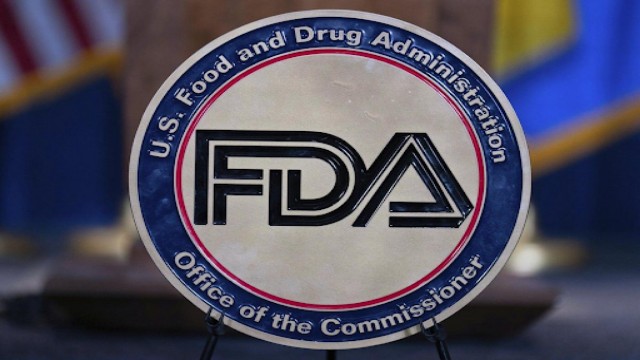
FILE – A view of the FDA seal displayed inside the Hubert Humphrey Building’s auditorium in Washington. (AP Photo/Jose Luis Magana, File)
Sarepta Therapeutics, the biotech company behind the gene therapy Elevidys, has made a bold move. On Friday night, the company publicly announced that it will not stop shipping its muscular dystrophy treatment, even after a third patient death prompted a direct request from the U.S. Food and Drug Administration (FDA).
The FDA had urged Sarepta to suspend all sales of Elevidys, a one-time gene therapy for Duchenne muscular dystrophy (DMD), following concerns over safety. But Sarepta refused.
This decision comes as the company reels from recent setbacks—including a 35% drop in share price, the loss of 500 employees, and mounting pressure over its handling of adverse events linked to its treatments.
FDA vs Sarepta: A Rare Stand-Off
In an unusual turn, the FDA issued a statement late Friday confirming that Sarepta declined to follow its recommendation to halt the therapy’s distribution. While the agency has the power to remove a drug from the market, the process typically involves a slow, formal regulatory pathway. Companies usually comply voluntarily to avoid further scrutiny.
FDA Commissioner Dr. Marty Makary emphasized their concern, saying, “We’re committed to ensuring patients have access to breakthrough drugs—but we won’t hesitate to intervene if safety is at risk.”
What Is Elevidys and Why Is It Under Fire?
Elevidys is the first gene therapy approved in the U.S. for treating Duchenne muscular dystrophy—a deadly muscle-wasting condition primarily affecting boys. Approved in 2023, the drug has always been under a cloud of skepticism. Some FDA scientists questioned its effectiveness from the beginning.
Initially authorized only for younger children who could still walk, its approval was later expanded to include older patients, even those who had lost mobility. But the deaths of two teenage boys last month—both of whom were receiving the therapy—forced Sarepta to halt shipments for this group.
A Third Death Raises Alarms
Adding to the crisis, Sarepta confirmed a third patient death on Friday: a 51-year-old man participating in a clinical trial for a separate muscular dystrophy therapy. Though the therapy used a different dose and manufacturing process, all three deaths were tied to liver damage—a known risk highlighted in Elevidys’ safety profile.
This third death had already been reported to the FDA on June 20, which responded by pausing the trial. However, Sarepta’s recent communications to investors did not mention the incident, a move that sparked sharp criticism from analysts.
Damage Control: Warnings, Layoffs, and Questions
Earlier this week, Sarepta said it would add a bold warning label to Elevidys. It also announced it would cut one-third of its workforce to manage costs. However, analysts were taken aback when the company omitted any reference to the third fatality during its press call.
Meanwhile, Sarepta insists that there are “no new safety concerns” for younger patients in the early stages of DMD. The company says it will continue to supply Elevidys for them and cooperate with the FDA in ongoing discussions.
Past Approvals, Ongoing Doubts
Sarepta has received FDA clearance for three other Duchenne treatments since 2016. But none of these drugs have been conclusively proven to work. Critics say Sarepta repeatedly fails to complete required studies that would cement the treatments’ legitimacy.
Now, with its stock tumbling to just $14.07 and its credibility questioned, Sarepta stands at a crossroads. Its refusal to pause Elevidys shipments, despite fatal outcomes, may become a defining moment—for better or worse.