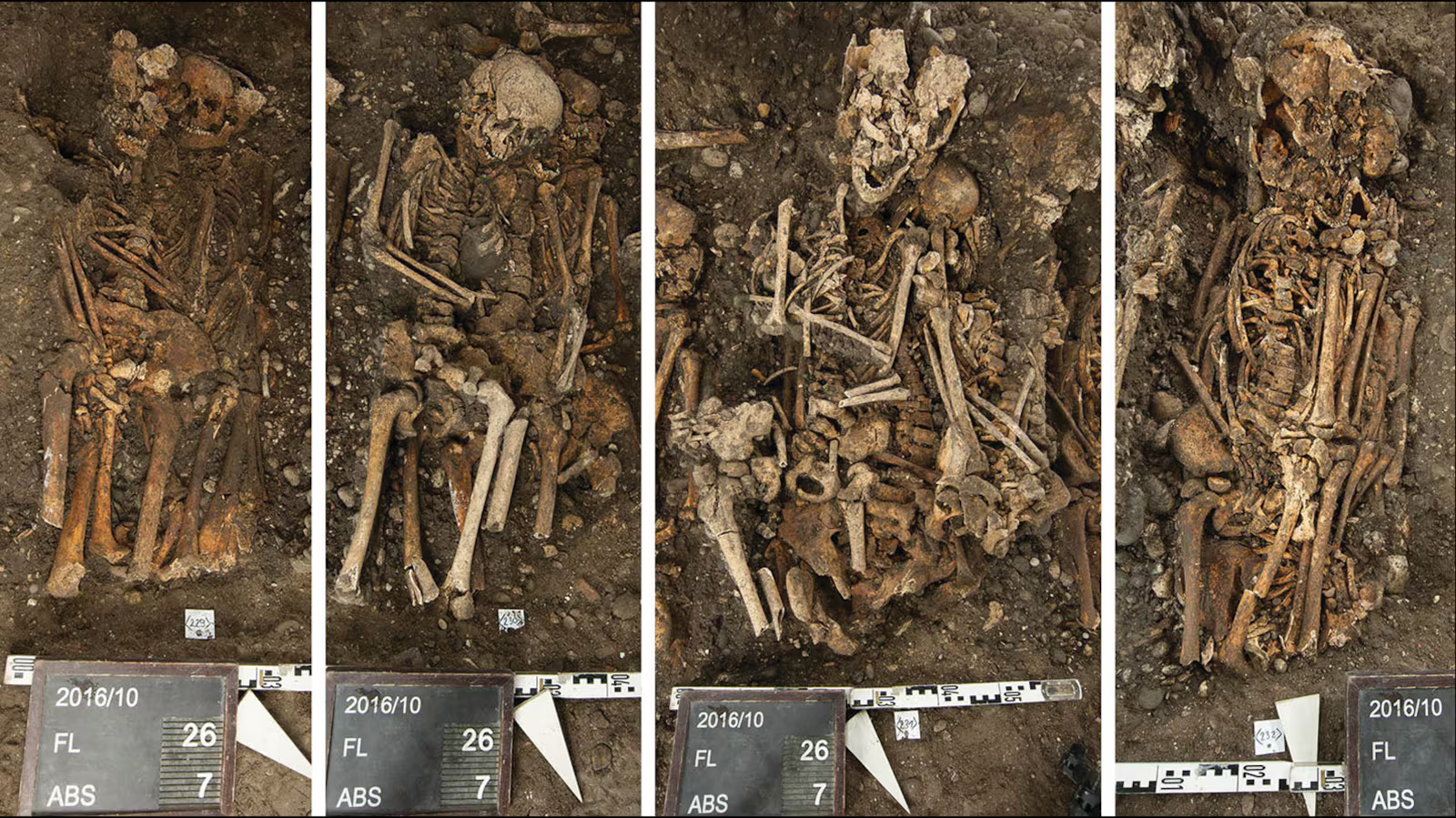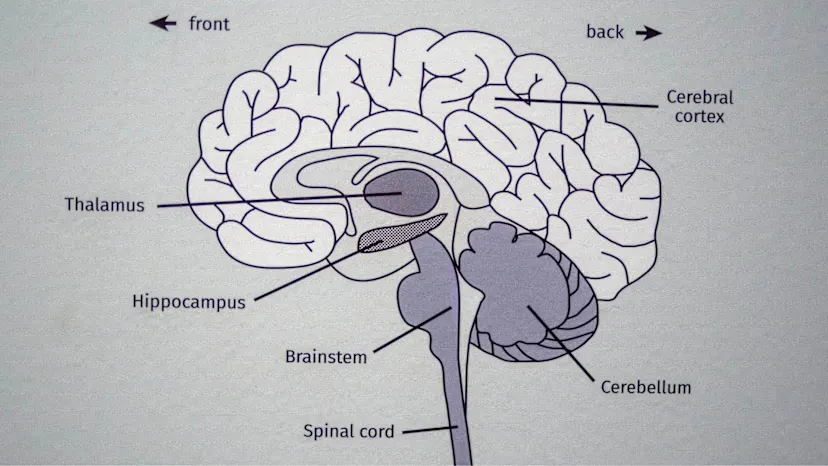
Losing weight and sustaining it poses challenges due to evolutionary factors. Early humans found advantages in storing fat, aiding in survival, sustaining brain function, and contributing to overall health necessary for successful reproduction. (Image: Ableimages/fStop/Getty Images)
Losing weight and maintaining it can be an arduous task, and statistics reveal a challenging reality: more than 80% of individuals who achieve significant weight loss tend to regain it within five years. The struggle to shed pounds is not merely a matter of lacking willpower for adopting healthier habits; rather, it is deeply rooted in our evolutionary biology.
Daniel Lieberman, a paleoanthropologist and Harvard University professor specializing in human evolutionary biology, argues that humans are hardwired to retain fat. Unlike other animals, humans have evolved to possess notably high levels of fat, crucial for sustaining energy-intensive processes such as supporting large brains and ensuring the survival of offspring. In essence, fat serves as a stored energy source, a biological necessity that has contributed to our species' success over time.
Lieberman emphasizes that humans did not evolve with an intentional mechanism for weight loss. While our bodies have maintained their ancestral programming, the environment has undergone significant changes—a "big mismatch" between our Stone Age bodies and the modern world. In today's sedentary lifestyle, devoid of the challenges our ancestors faced, such as hunting, gathering, and physical exertion, weight-related issues and obesity have become prevalent.
The emergence of what Lieberman terms "mismatch diseases"—conditions exacerbated by our inadequately adapted modern environment—further complicates the weight loss struggle. Living in an "obesogenic environment" filled with conveniences like Uber Eats and sedentary activities contributes to the prevalence of weight issues.
Despite these challenges, Lieberman urges compassion for those facing weight difficulties and suggests five key considerations:
Develop an Evolutionary Perspective: Recognize that not all humans are meant to conform to societal ideals of slimness. Fat is crucial for human biology, even in seemingly thin individuals.
Fat Equals Evolutionary Success: Understand that fat is not just a cosmetic concern but plays a vital role in survival and reproduction by fueling energy-intensive processes.
Small Fluctuations are Normal: Accept that weight may naturally fluctuate over short periods, often influenced by factors like water retention.
The Deck is Stacked Against You: Acknowledge that weight loss challenges are deeply ingrained in our evolutionary history, and dieting triggers ancient survival responses that resist weight loss.
Dieting versus Exercise: While both are important, dieting may aid weight loss, while exercise helps prevent weight gain and offers numerous mental and physical health benefits.
In navigating the incongruity between our evolutionary past and modern lifestyle, Lieberman emphasizes the need to engineer environments that facilitate healthier choices. Ultimately, understanding our biological predispositions can foster a more compassionate and effective approach to weight management.