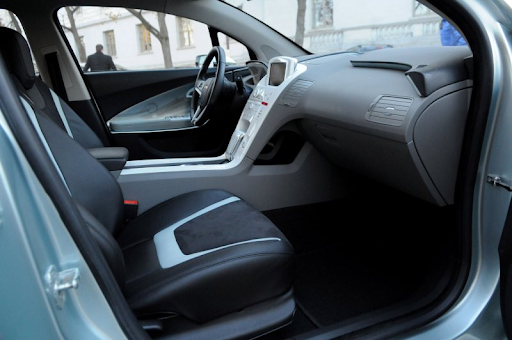
Flame retardant chemicals added to seat foam and other car components pollute the cabin air inside all personal vehicles, according to a new study. File Photo by Kevin Dietsch/UPI | License Photo
New car smell" is often considered a delightful aspect of purchasing a new vehicle. However, recent research suggests that this scent may contain harmful carcinogens released by flame retardants. The study, published in the journal Environmental Science & Technology, reveals that flame retardant chemicals present in seat foam and other car components can contaminate the cabin air of all personal vehicles.
Lead researcher Rebecca Hoehn, a doctoral student and toxicology scientist at Duke University, highlights the significance of this finding in terms of public health. Given that the average driver spends approximately an hour in their car daily, this exposure to potentially harmful chemicals poses a notable concern. Moreover, individuals with longer commutes and child passengers, who breathe in more air pound for pound than adults, are particularly vulnerable.
The study examined 101 cars manufactured in 2015 or later from various locations across the United States. Alarmingly, nearly all of these vehicles (99%) contained tris (1-chloro-isopropyl) phosphate (TCIPP), a flame retardant currently under investigation by the U.S. National Toxicology Program as a potential carcinogen. Additionally, most cars harbored two other flame retardants, tris (1,3-dichloro-2-propyl) phosphate (TDCIPP) and tris (2-chloroethyl) phosphate (TCEP), both of which are considered carcinogenic in California.
In addition to their carcinogenic properties, these flame retardants have also been associated with neurological and reproductive health concerns. The researchers observed higher concentrations of these chemicals in warmer weather conditions, as off-gassing from seat foam and interior components intensifies with heat. In fact, vehicle interiors can reach temperatures of up to 150 degrees Fahrenheit, exacerbating the release of these harmful substances.
The study further analyzed seat foam samples from 51 cars, establishing a direct correlation between the presence of flame retardants in the cushioning and their airborne concentration inside the vehicles. For instance, cars containing TCIPP in their foam exhibited higher levels of TCIPP in their cabin air.
The introduction of flame retardants into seat foam was prompted by federal flammability standards implemented in the 1970s. Despite advancements in fire safety technology, these standards remain unchanged, leading to the widespread use of flame retardants in automotive interiors. However, concerns have been raised regarding the efficacy of these chemicals in preventing fires, with firefighters expressing apprehension about their contribution to elevated cancer rates among their ranks.
Patrick Morrison, director of health, safety, and medicine for the International Association of Fire Fighters, advocates for revising these outdated flammability standards to eliminate the need for flame retardants in vehicles. He emphasizes the detrimental impact of these chemicals on fire victims and first responders, urging regulatory agencies to prioritize public health and safety.
California has already implemented updated flammability standards for furniture and baby products, which have successfully reduced or eliminated the use of flame retardants while maintaining or improving fire safety. Researchers stress the need for similar measures to be adopted in the automotive industry to mitigate the health risks associated with exposure to these toxic substances.
In conclusion, the study underscores the urgent need for regulatory action to address the presence of harmful flame retardants in vehicle interiors. While individual measures such as opening windows and parking in shaded areas may reduce exposure, comprehensive reforms in manufacturing standards are essential to safeguard public health and minimize the associated cancer risks, particularly for vulnerable populations such as children and commuters.