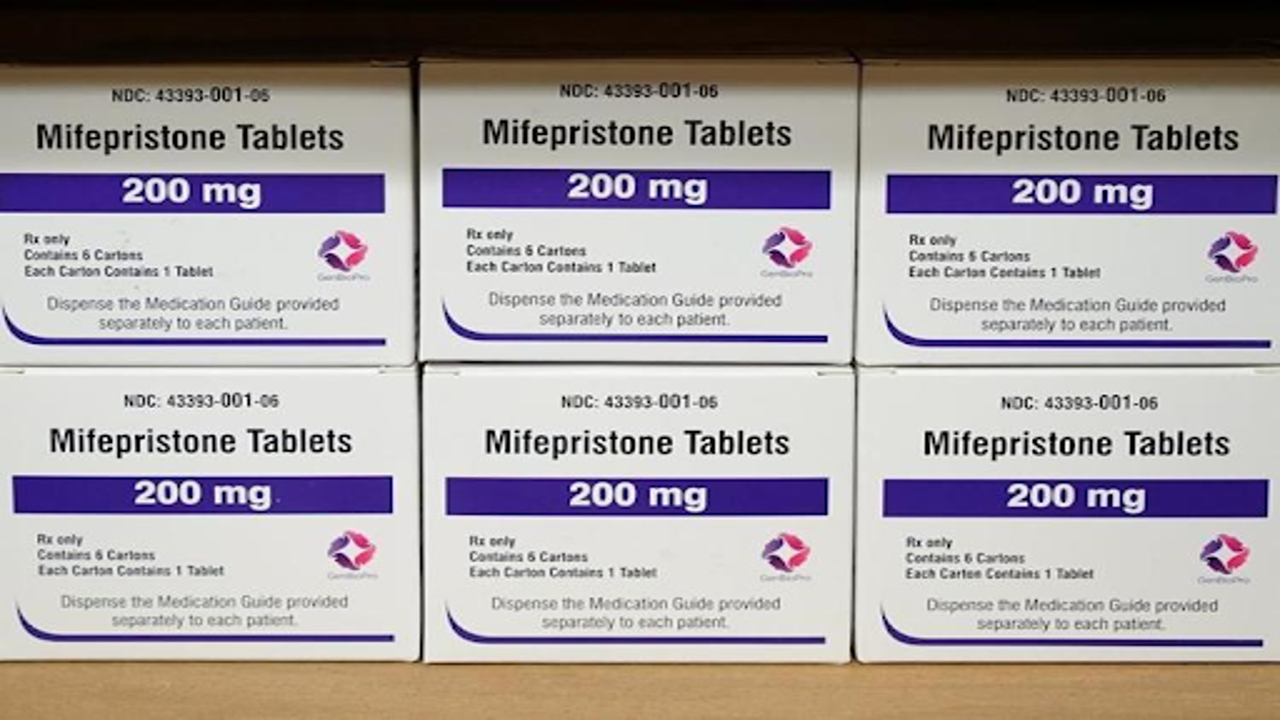
File - Boxes of the drug Mifepristone sit on a shelf at the West Alabama women’s centre, Tuscaloosa, Ala, on March 16, 2022. (AP Photo / Allen G, Breed, File)
WASHINGTON — The Supreme Court ruled unanimously on Thursday to uphold access to mifepristone, a medication pivotal in nearly two-thirds of U.S. abortions last year. This decision marks the court's first ruling on abortion since overturning Roe v. Wade two years ago.
The justices determined that abortion opponents lacked legal standing to challenge the FDA's approval of mifepristone and subsequent measures facilitating its accessibility. This case posed a potential threat to restrict mifepristone nationwide, even in states where abortion remains legal.
Justice Brett Kavanaugh, part of the majority in the Roe decision, emphasized that federal courts were not the appropriate venue for addressing concerns about FDA actions. His opinion refrained from evaluating the FDA's decisions, focusing strictly on procedural grounds.
The ruling underscored the significance of the upcoming 2024 election and the potential influence of a future FDA commissioner appointed by Republican Donald Trump. Such an appointment might lead to stricter regulations on mifepristone, including prohibiting its distribution by mail.
President Joe Biden welcomed the decision while highlighting ongoing challenges to abortion access in many states. He emphasized the imperative of protecting women's access to necessary medical treatments.
Marjorie Dannenfelser, president of SBA Pro-Life America, expressed disappointment with the ruling and criticized Democrats for advocating widespread access to abortion, including through mail-order services.
The Supreme Court is concurrently considering another abortion-related case involving federal emergency treatment laws at hospitals, which may override state abortion bans in critical health situations.
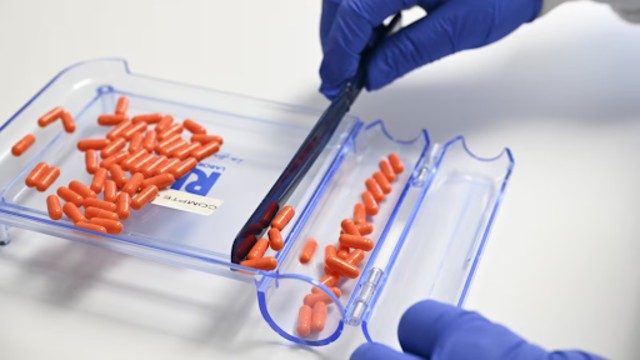
Mifepristone, used by over 6 million individuals since 2000, blocks progesterone to prepare the uterus for a second drug, misoprostol, effectively ending pregnancies up to 10 weeks.
The decision to uphold access to mifepristone was met with relief by abortion rights advocates, although concerns persist over broader abortion restrictions enacted in numerous states.
The legal battle over mifepristone began following the Supreme Court's Roe decision reversal. Initially, abortion opponents secured a broad ruling in Texas that sought to revoke FDA approval of mifepristone entirely. Subsequent appeals and regulatory changes in 2016 and 2021 were contested, leading to the Supreme Court's involvement.
While the ruling concluded that anti-abortion doctors lacked standing to sue, challenges to abortion pill restrictions are expected to continue through other avenues, including ongoing lawsuits involving additional states like Idaho, Kansas, and Missouri.
The decision affirms the status quo for mifepristone's availability but does not resolve ongoing legal and political battles surrounding abortion rights in the United States.