Ryan Bird said 28 vice-principal roles will end as temporary pandemic funding stops, while another 12 positions will be reduced because fewer students are enrolling in schools. CBC
Toronto District School Board plans to reduce 40 vice-principal positions for the next school year. This decision means some schools will share one vice-principal instead of having their own.
Officials say the move forms part of regular planning as the board prepares staffing for September.
Funding and Enrolment Drive Cuts
Board spokesperson Ryan Bird explained that 28 of the positions will disappear due to the end of temporary funding that supported schools during the pandemic. The remaining 12 positions will be removed because fewer students now attend some schools.
Each spring, the board reviews staffing needs across schools. This process helps decide how many teachers and administrators each school requires.
“This planning helps ensure that every school has the staff required to support the needs of students,” Bird said.
Shared Roles in Smaller Schools
To adjust to these changes, the board will introduce a shared model for some schools. Under this plan, one vice-principal may take responsibility for two schools, especially in smaller communities.
Bird said other school boards have already used this approach successfully. He also noted that some vice-principals may take on both teaching and leadership duties in certain cases.
The board expects most of these changes to happen through natural staff turnover, such as retirements or resignations, rather than layoffs.
Provincial Oversight Continues
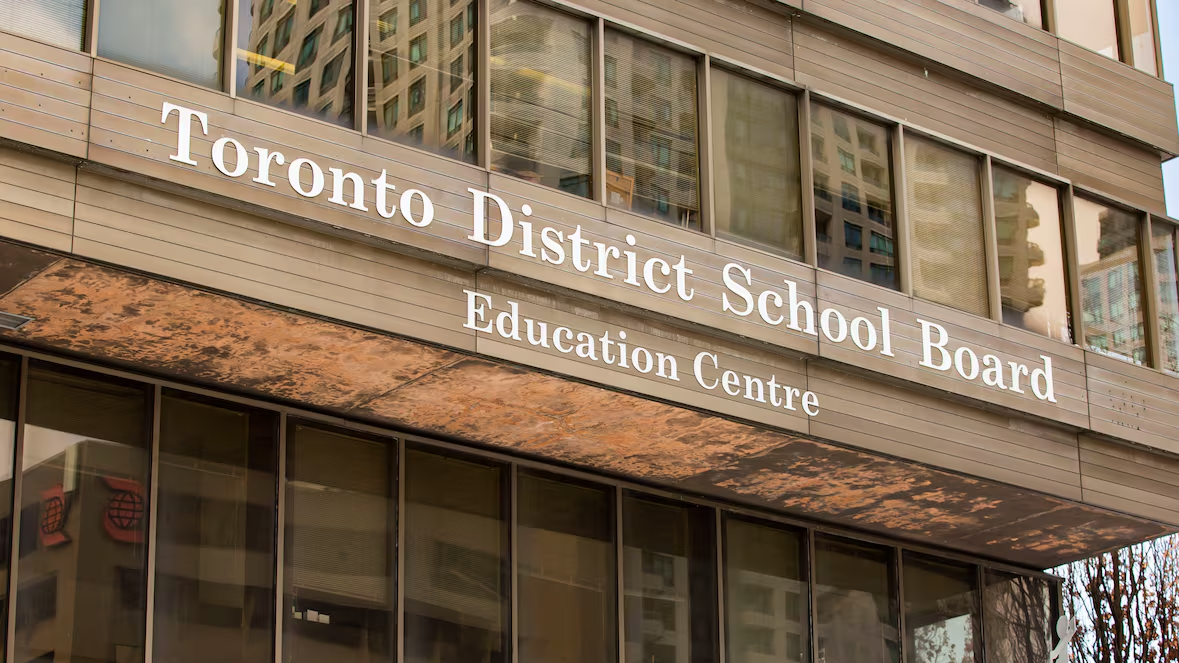
The staffing changes come as the board remains under provincial supervision. The Ontario government stepped in last June and appointed Rohit Gupta as supervisor.
Since then, the province has handed decision-making powers to Ontario’s education minister, Paul Calandra. The move followed concerns about the board’s financial management.
Financial Pressures Behind Decisions
When the province took control, officials pointed to ongoing financial challenges. They said the board had not accepted many proposed cost-saving measures in recent years. Instead, it relied heavily on selling assets to balance its budget.
These concerns pushed the government to take a more direct role in managing the board’s operations.
Impact on Schools and Students
The changes may affect how schools operate, especially where administrators now split time between locations. While the board believes the plan will still meet student needs, some communities may notice differences in daily support.
The board continues to focus on maintaining services while adjusting to financial limits and changing student numbers.
Looking Ahead
As the new school year approaches, the board will finalize staffing plans and inform schools about their assigned administrators. Officials say they aim to keep support systems strong while adapting to new realities.
The shift reflects broader challenges facing school systems, including funding changes and shifting enrolment patterns.