Jacob Shelley, a health sciences professor at Western University in Paris, Ontario, warns that Canada needs to pay attention to the potential arrival of screwworms spreading into the country.
Canada may soon face a serious threat to its cattle industry—and even public health—due to a dangerous parasite called the screwworm. After the United States decided to halt imports of live beef cattle from Mexico, Canadian experts are warning that the flesh-eating pest could reach Canadian soil.
Jacob Shelley, a public health expert from Western University, says the risk should not be underestimated. “Any pest that spreads through animals and threatens our entire system is a major concern,” he told CTVNews.ca in a video call from Ontario.
The screwworm was first spotted in Mexican cattle shipments by U.S. officials in late November last year. Though the U.S. resumed imports in February under strict inspection rules, it paused them again this week. In response, Mexico vowed to tighten cattle exports from Central America.
The parasite, known for its aggressive and deadly behaviour, is already common in places like Cuba, Haiti, and South America. It has now crept into Costa Rica, Nicaragua, Honduras, Guatemala, Belize, El Salvador, and Mexico. Costa Rica even declared a national emergency over the outbreak earlier this year.
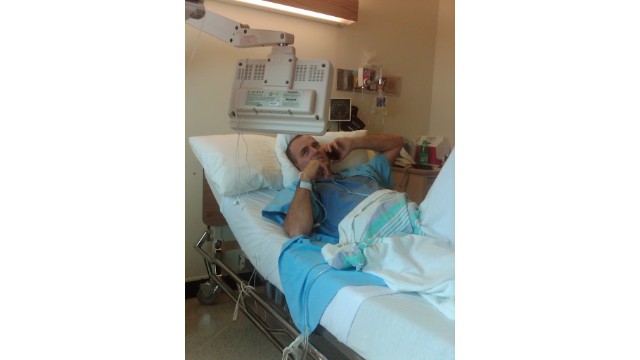
Canada is not untouched. A Canadian traveller returning from Costa Rica was recently diagnosed with a screwworm infection, highlighting how easy it is for the parasite to cross borders.
Shelley believes Canada’s current systems might not be strong enough to block the screwworm’s entry. “Our agricultural setup, especially in large slaughterhouses and farms, makes it easy for humans and animals to mix. That raises the chances of spread,” he warned.
He added that the only immediate defence may be limiting cattle imports. “Without strong preventative action, this pest could cause serious damage—not just to farmers and the beef industry, but to the everyday consumer. Beef prices could spike, and availability might drop.”
CTVNews.ca reached out to the Canadian Food Inspection Agency (CFIA) for comment, but the agency didn’t offer an immediate response.
In the U.S., the impact of a previous screwworm outbreak was devastating. Agriculture Secretary Brooke Rollins said it took three decades for the livestock sector to recover.
Shelley says that although Canada has systems to monitor such pests, the country is not fully prepared to handle an outbreak. He compared the situation to the pine beetle infestation, which caused widespread damage to forests. “Once it’s here, it’s hard to stop,” he said.
If the screwworm does make its way to Canada, the results could be far-reaching. Cattle may need to be put down to control the infection, which would drive up beef costs. But the danger isn’t limited to livestock—the parasite can also infect humans and cause severe tissue damage, or even death, if not treated in time.
With U.S. beef prices already on the rise due to the import pause, experts say Canada must act fast to prevent a bigger crisis.