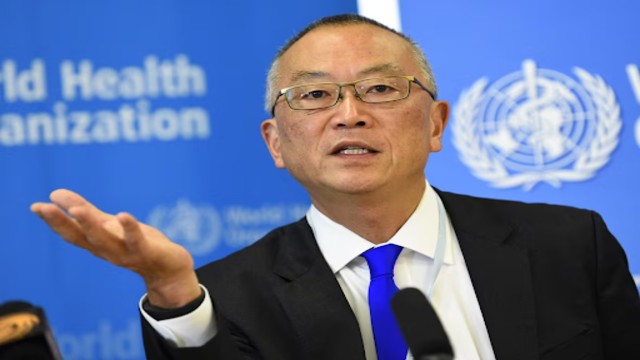
Former World Health Organization assistant director-general for health security Keiji Fukuda has also worked at the U.S. CDC and attended WHO's influenza vaccine meetings.
The United States has not contributed its seasonal flu data to the World Health Organization (WHO) since January 20, raising concerns among global health experts. Dr. Wenqing Zhang, head of WHO’s global influenza program, revealed this gap during a recent webinar. The U.S. flu data halt comes to the surface at a crucial time when flu outbreaks have forced school closures in parts of the U.S.
Why Seasonal Flu Data Matters
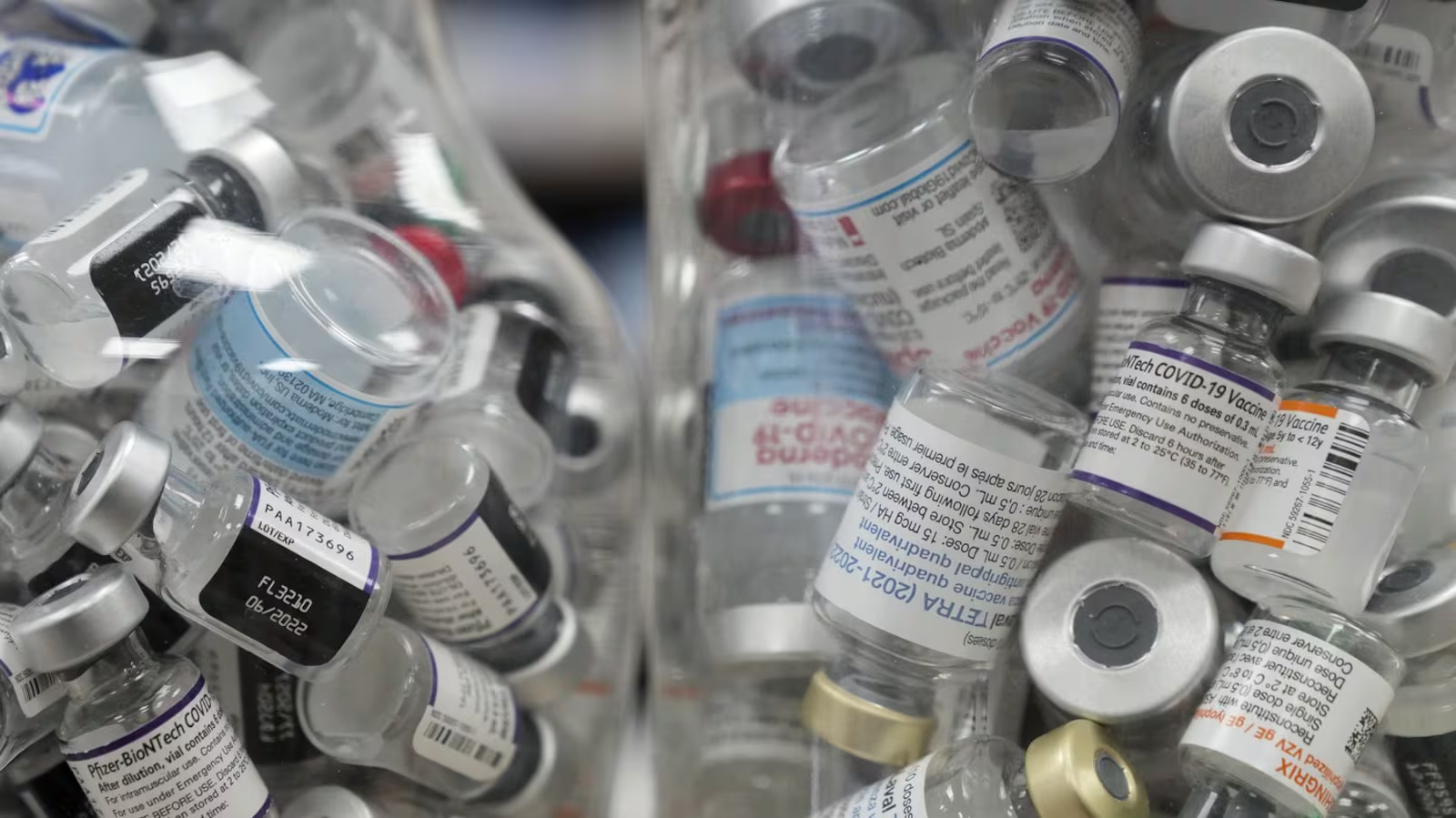
Each year, flu vaccines need updates based on circulating virus strains. The U.S. Centers for Disease Control and Prevention (CDC) and the Food and Drug Administration (FDA) usually participate in biannual WHO meetings to help determine the next season’s vaccine composition. Their absence from global flu surveillance platforms like Flunet and FluID since January could impact vaccine accuracy for the upcoming flu season.
WHO Meeting to Proceed Without U.S. Input
WHO is set to hold a key meeting in London next week to analyze flu strains and update vaccine recommendations. So far, U.S. officials have not confirmed their participation. Experts worry that without U.S. involvement, the process could lack critical data and expertise.
Dr. Kanta Subbarao, a leading influenza scientist, emphasized the significance of U.S. contributions. “This is a bad time for the flu vaccine process to face disruptions,” she said, noting that the U.S. plays a crucial role in vaccine effectiveness studies and provides key virus samples from across the Americas, Africa, and Asia.

U.S. participation is important to be able to accurately predict which influenza strains are going to be circulating in Canada, the U.S., Mexico and other countries in the Northern Hemisphere, virologists say via CBC Newssource.
The Global Impact of U.S. Non-Participation
Dr. Keiji Fukuda, a former WHO and CDC official, stressed the importance of U.S. experts attending the vaccine discussions. “Interpreting flu data is complex, and these meetings allow scientists to refine their analysis through peer discussions,” he explained.
Angela Rasmussen, a virologist at the Vaccine and Infectious Disease Organization in Saskatoon, echoed this concern. She noted that given the U.S.’s large population and geographic diversity, its flu data is vital in predicting dominant strains across North America.
Rising Concerns Over H5N1 Avian Flu
Meanwhile, the CDC released its weekly flu update on February 14, reporting nearly 70 cases of H5N1 avian influenza in the U.S., including one fatality. Most infections occurred among farm workers exposed to infected poultry or cows. Scientists are closely monitoring whether H5N1 or another flu strain could evolve to spread easily between humans, potentially leading to a pandemic.
Canada Takes Preventive Measures
In response to the H5N1 threat, the Canadian government announced the purchase of 500,000 doses of an H5N1 vaccine to protect high-risk groups, such as farm workers and lab personnel handling the virus.
Despite the absence of U.S. data, WHO confirmed that its influenza vaccine discussions will proceed as planned. However, global experts fear that missing input from the U.S. could impact the accuracy of future flu vaccines.