Experts warn delayed newborn Hepatitis B shots could put infants at risk.
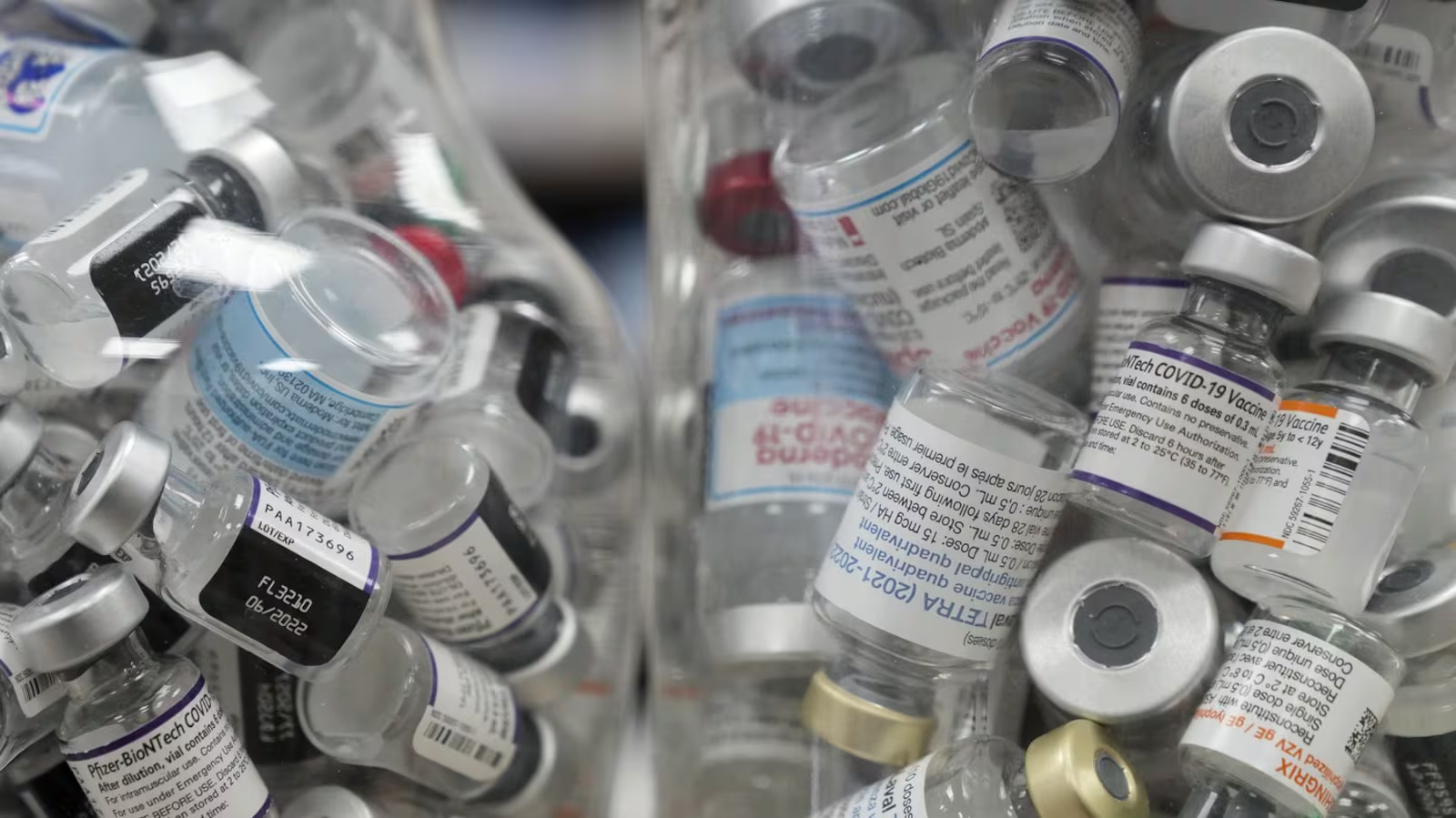
A major shift in U.S. vaccination guidance has sparked concern among doctors and public health experts. A federal advisory panel has voted to end the long-standing universal recommendation that all American newborns receive the hepatitis B vaccine at birth.
Under the updated guidance, parents of babies born to hepatitis B-negative mothers can now decide, with their doctor, when to start the three-dose series. Babies born to mothers who test positive will still be vaccinated immediately after delivery.
This marks a dramatic departure from more than three decades of routine immunization at birth. Since 1991, the United States has administered the first hepatitis B shot within hours of delivery, helping reduce infection rates by up to 95 percent.
Critics Fear Vaccination Barriers Ahead
Medical organizations argue this decision could jeopardize decades of progress. They say removing universal guidance introduces confusion and may discourage timely vaccination.
The American Academy of Pediatrics condemned the change. The organization called the move “irresponsible” and warned that it could leave infants unprotected during a vulnerable period.
Its president, Susan J. Kressly, emphasized that there are no new safety issues or increased risks prompting this shift. Instead, she warned that it is part of a growing effort to undermine vaccine confidence.
Public health leaders stress that parents already held the right to choose — but clear guidelines ensured that infants were routinely protected.
Safety Claims and Tense Debate
The decision came after tense discussions. Some panel members questioned long-accepted safety data and raised doubts about infection risk. Experts at the meeting pushed back, calling those concerns misleading and selective.
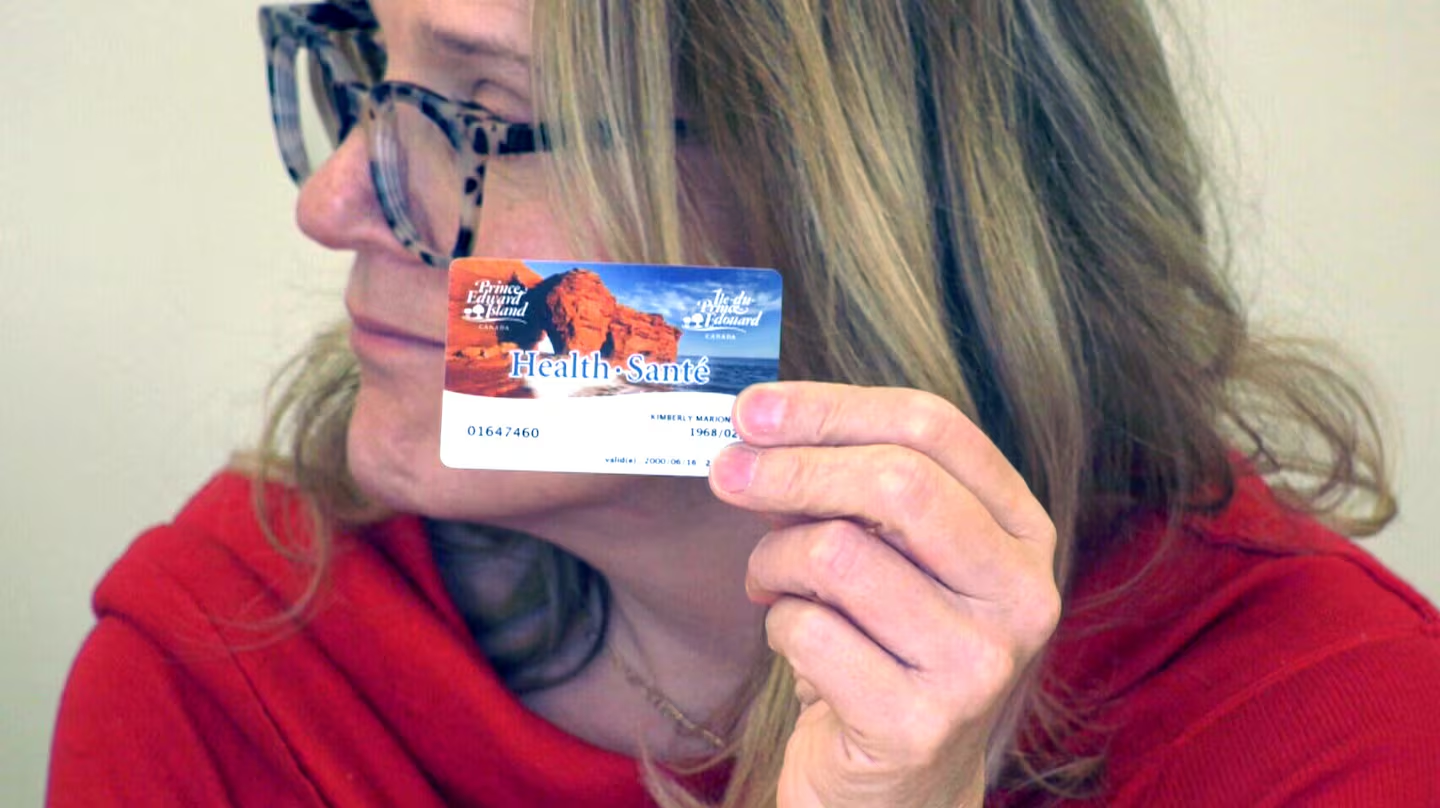
Doctors who treat hepatitis B urged the panel to consider real-world consequences. One physician, who contracted the virus as an infant, shared her story to highlight how vaccination gaps can allow the virus to spread through caregivers, not only mothers.
She compared universal vaccination to wearing seatbelts — essential, even when the perceived risk is low.
Experts Say Risk Is Higher Than It Appears
Supporters of universal vaccination warn that relying solely on maternal testing can let infections slip through. Pregnant women may not receive proper screening. False-negative results also occur.
Hepatitis B spreads through blood and certain bodily fluids. It can infect a child through something as simple as contact with a caregiver’s small wound.
Doctors caution that delaying vaccination often results in incomplete immunization. Unprotected children face higher lifelong risks, including liver cancer and cirrhosis.
There is no strong evidence showing significant risk from the vaccine itself, specialists reiterate.
A Decision with Wider Repercussions
The Centers for Disease Control and Prevention (CDC) typically relies on this advisory committee to guide national vaccine policy. Insurers often follow these recommendations. However, several major insurers say they may continue covering hepatitis B vaccines at birth despite the vote.
Canada and the World Health Organization still advise that babies receive the first dose within 24 hours of birth. Experts fear the U.S. reversal could fuel global confusion as vaccine hesitancy rises.
Some warn that infectious diseases and misinformation spread together. Recent measles outbreaks have already demonstrated the consequences of declining trust in immunization programs.
People protest outside the meeting to discuss childhood vaccine schedule changes in Atlanta Thursday. (Reuters)
A Pattern of Controversial Votes
This latest change follows recent committee decisions to scale back universal recommendations for COVID-19 vaccines and alter guidance for childhood immunization schedules.
The panel’s makeup has also drawn scrutiny. All previous members were removed earlier this year and replaced with new appointees selected by U.S. Health and Human Services Secretary Robert F. Kennedy Jr., a long-time critic of vaccines.
Some panel leaders have publicly questioned vaccine safety during the pandemic, which has raised fears about political influence over public health decisions.
Medical professionals say the credibility of federal vaccine advisory bodies is now at risk. As a result, major physician groups have begun issuing independent guidance to ensure parents continue receiving clear and science-based recommendations.
The Road Ahead
Babies can still be vaccinated at birth if parents choose. But health experts worry that inconsistent messages will lead to lower protection nationwide.
For now, pediatric organizations are urging families to keep following the proven schedule: a birth dose and two additional shots for full immunity.
The debate continues — and many say the stakes are nothing less than the future health of America’s youngest children.