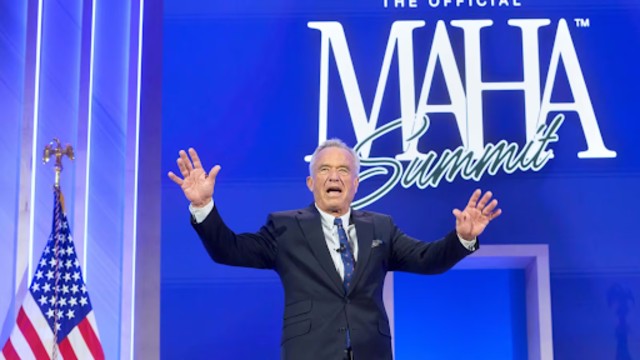
Health and Human Services Secretary Robert F. Kennedy, Jr., arrives on stage at the inaugural Make America Healthy Again summit at the Waldorf Astoria, Nov. 12, 2025, in Washington. (AP Photo)
The United States has taken an unprecedented step by narrowing the list of vaccines recommended for all children, a decision that has sparked immediate concern among pediatricians and public health experts.
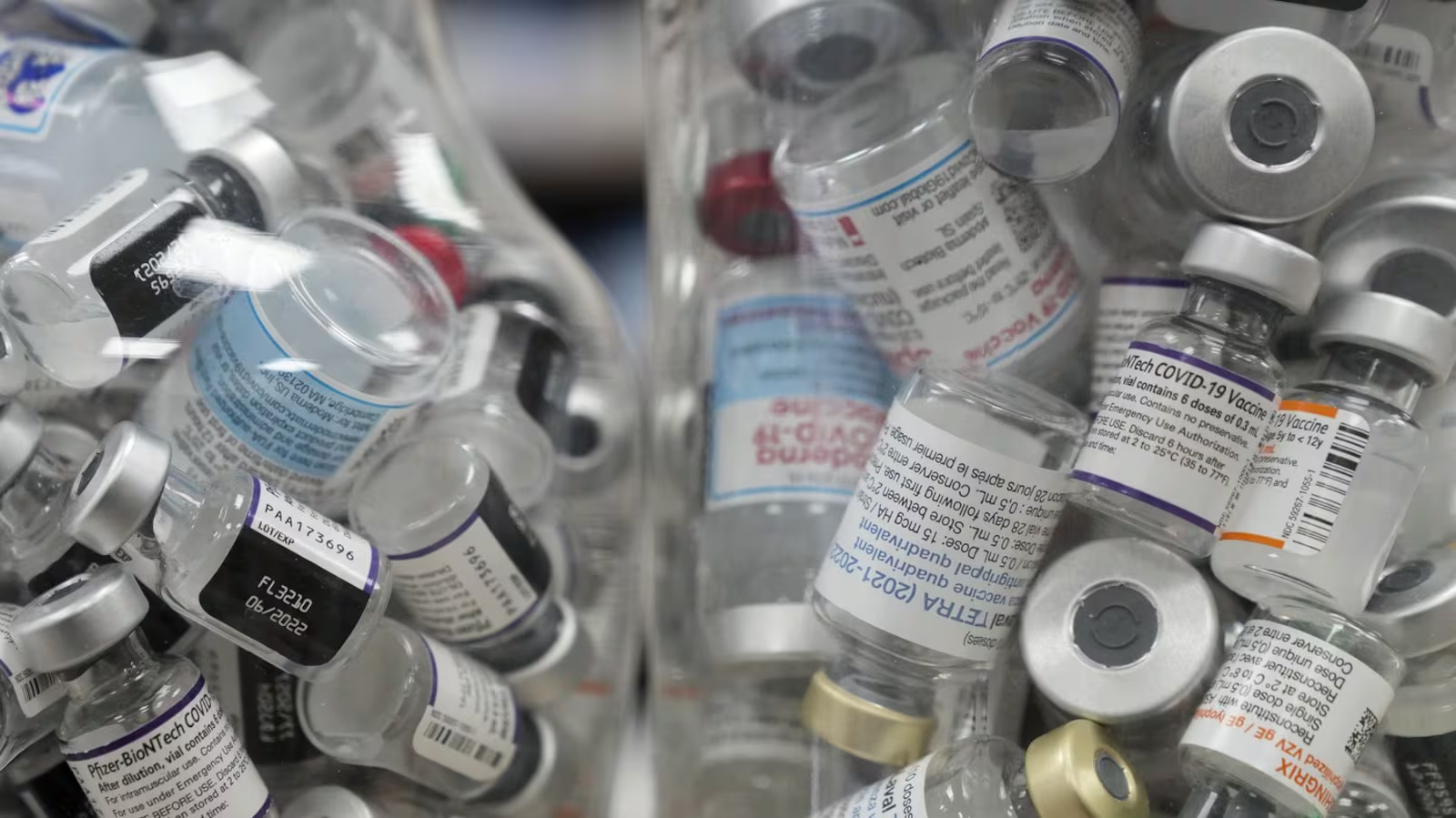
Effective immediately, the Centers for Disease Control and Prevention (CDC) now advises universal vaccination against 11 diseases, down from a broader list that previously included flu, hepatitis A and B, rotavirus, RSV and some forms of meningitis. Protection against those illnesses will now be recommended only for high-risk children or through doctor-parent “shared decision-making.”
What Changed in the Vaccine Schedule
Under the revised guidance, vaccines no longer universally recommended include:
- Influenza
- Rotavirus
- Hepatitis A
- Hepatitis B
- Respiratory syncytial virus (RSV)
- Certain meningococcal vaccines
Vaccines that remain recommended for all children include measles, polio, whooping cough, tetanus, chickenpox and HPV. The HPV schedule has also been reduced to a single dose for most children.
Federal officials stressed that families who want the removed vaccines will still have access and that insurance coverage will continue.
Trump Administration Behind the Review
The Department of Health and Human Services (HHS) said the change followed a December request from President Donald Trump to reassess U.S. vaccine guidance and compare it with other developed nations.
According to HHS, a review of 20 peer countries found the U.S. recommended more vaccines and doses than most. Health Secretary Robert F. Kennedy Jr. described the move as a way to “rebuild trust in public health,” calling the previous schedule excessive.
Trump echoed the sentiment, calling the revised guidance “far more reasonable” and more aligned with global standards.
Doctors Warn of Rising Disease Risks
Medical groups strongly criticized the decision, saying it was made without transparent scientific review or public consultation.
Pediatric experts warned that downgrading recommendations could confuse parents and lead to declining vaccination rates at a time when preventable diseases are already increasing. Measles, whooping cough and severe flu cases have all risen in recent years, while vaccine exemptions are at record highs.
The American Academy of Pediatrics and the American Medical Association said they will continue following their own vaccine schedules, which still broadly recommend the demoted shots.
States Push Back as Trust Erodes
States retain authority over school vaccine requirements, and some have begun forming alliances to counter federal guidance. Public health advocates say fragmented messaging risks weakening long-standing immunization programs.
Critics also highlighted Kennedy’s long history of vaccine skepticism, noting earlier moves to drop COVID-19 vaccine recommendations and dismiss a CDC advisory committee.
A Turning Point for U.S. Public Health
Health leaders say the revised guidance marks a major shift in American vaccine policy, one that could have long-term consequences for child health. With no timeline for further review, the debate over trust, science and public safety is likely far from over.