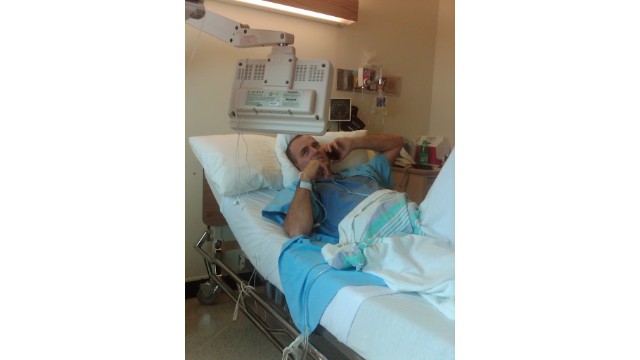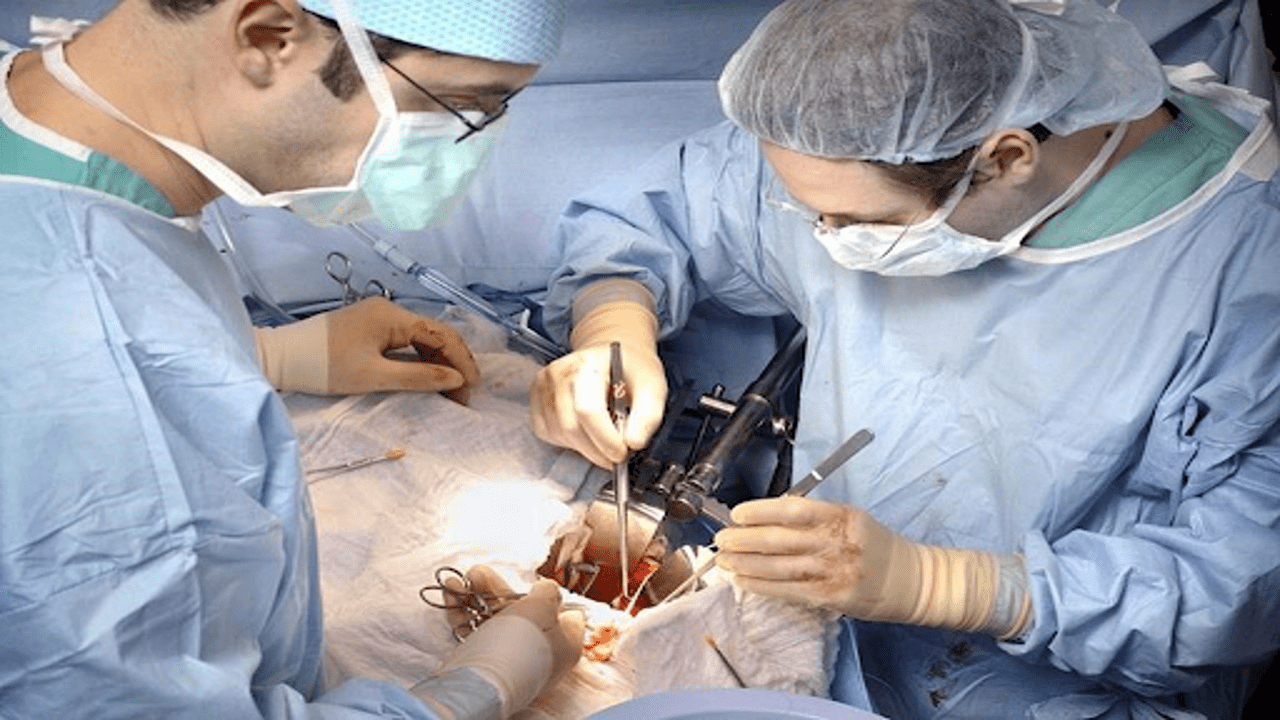
In this photo provided by Johns Hopkins Medicine, Dr. Dorry Segev, right, performs the first U.S. transplant of a kidney from a deceased donor who had HIV into a recipient living with HIV, in Baltimore, in March 2016. (Johns Hopkins Medicine via AP)
A new study has confirmed that people with HIV can safely receive kidney transplants from deceased donors who also have the virus, a development that could help reduce waiting times for all patients in need of organs. This research comes as the U.S. government is considering expanding this practice beyond clinical trials.
The study, published in the New England Journal of Medicine, analyzed 198 kidney transplants across the U.S. and found no significant difference in outcomes between organs from HIV-positive and HIV-negative donors. Both groups of recipients showed high survival rates and low rejection rates, with only a few cases of increased HIV levels, which were linked to inconsistent medication use and were later controlled.
The findings arrive as the Department of Health and Human Services moves to change rules that would allow kidney and liver transplants from HIV-positive donors without requiring the procedure to be part of research studies. If approved, this change could take effect next year and would apply to both living and deceased donors.
The study participants were HIV-positive individuals with kidney failure. They agreed to receive a kidney from either a donor with or without HIV, depending on availability. The results showed comparable survival and success rates between both groups. According to Dr. Dorry Segev of NYU Langone Health, a co-author of the study, the research underscores the safety and success of these transplants.
South African surgeons first demonstrated the safety of using HIV-positive donor organs in 2010. However, the practice wasn't allowed in the U.S. until 2013, when a ban was lifted, largely due to the advocacy of Dr. Segev. Since then, more than 500 kidney and liver transplants from HIV-positive donors have been performed in the U.S.
Despite these advancements, HIV-positive individuals have often been discouraged from becoming organ donors due to stigma and outdated laws, said Carrie Foote, an Indiana University sociology professor who is HIV-positive and a registered organ donor. Foote believes that encouraging HIV-positive people to donate will increase the overall organ supply, benefiting all patients.
Currently, over 90,000 people are waiting for kidney transplants in the U.S., and more than 4,000 patients died in 2022 while waiting for an organ. Experts like Dr. Elmi Muller, who pioneered HIV-positive organ transplants in South Africa, predict that this new research will have a global impact and further promote fairness for people living with HIV.
Muller described the study as an important step toward greater equality in organ donation for HIV-positive individuals.