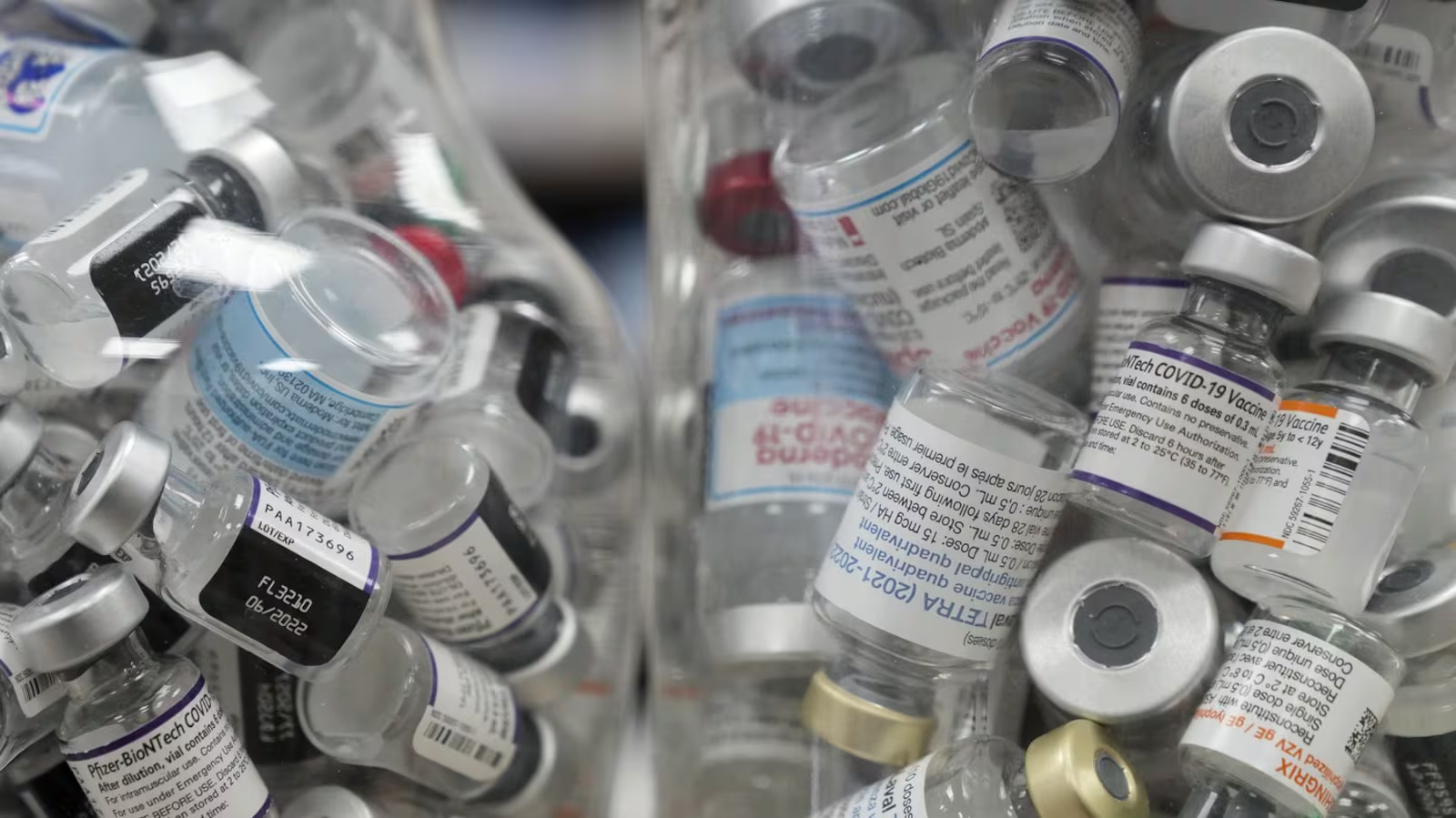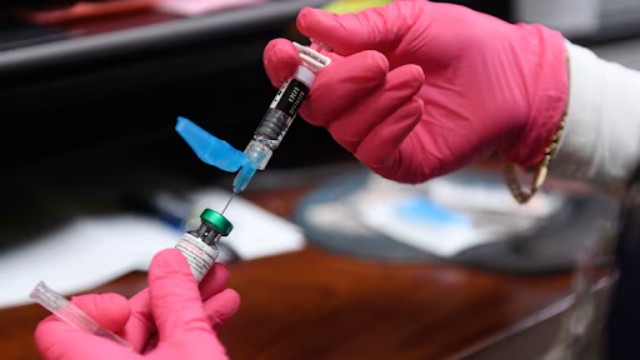
This week, the Manitoba government made the measles vaccine available to more people in certain areas of the province after the number of cases doubled. (Annie Rice/The Associated Press)
Canada is facing its biggest measles outbreak in nearly 30 years, and experts warn that growing vaccine doubts are making it harder to stop the spread. This year alone, there have been 1,593 confirmed cases and 253 probable cases of measles nationwide, with most of these happening in Ontario. The rise of misinformation around vaccines is a key reason behind the low immunization rates.
Dr. Peter Hotez, a virologist known for helping create an affordable COVID-19 vaccine, says this outbreak shows just how important it is to educate people about vaccines. Speaking to CBC, he pointed out that anti-vaccine beliefs have become a serious public health threat, especially in parts of the United States and Canada. In Texas, for example, many people refused COVID vaccines, which cost lives. Now, measles cases are surging in those same areas.
So far this year, three people in the U.S. have died from measles, according to health officials. Hotez also warned that the anti-vaccine movement, which has gained some political support in the U.S., could grow in Canadian provinces like Alberta and Manitoba.
Manitoba recently expanded who can get the measles vaccine after cases there doubled, reaching 44 confirmed cases as of mid-May. This step is part of efforts to curb the outbreak before it worsens.
A 2022 study showed Canada’s vaccination rates are about five percent below the 95 percent needed to stop measles from spreading widely. Last year, Ontario reported its first measles death since 1989, involving an unvaccinated child.
Most measles cases now involve unvaccinated people. A federal report found that 83% of cases were among those who hadn’t been vaccinated, with another 12% having unknown vaccine status.
Kathryn Hughes, a historian studying anti-vaccine beliefs, explains that the rise in vaccine hesitancy started long before COVID-19. It grew from the 1980s when laws required kids to be vaccinated to attend school, sparking resistance. Many parents developed mistrust toward doctors and health officials, influenced by alternative health ideas.
In the 1990s, a false claim linking vaccines to autism deepened fears. Some parents noticed developmental issues in children after vaccination, which they wrongly blamed on the vaccine itself. Hughes says many worried parents felt ignored by doctors—a feeling that still fuels vaccine skepticism today.
Her advice for tackling vaccine hesitancy is simple: listen. Many people questioning vaccines aren’t against science but don’t fully understand how research works. A respectful, patient approach helps ease fears better than dismissing concerns.
Dr. Hotez stresses the importance of reaching people stuck in misinformation bubbles. “We’re seeing two different societies form in North America,” he said. He believes saving lives means finding ways to connect with those isolated by false information.
This measles outbreak is a warning. Without better public education and trust-building, more people risk falling ill from a disease once nearly wiped out.