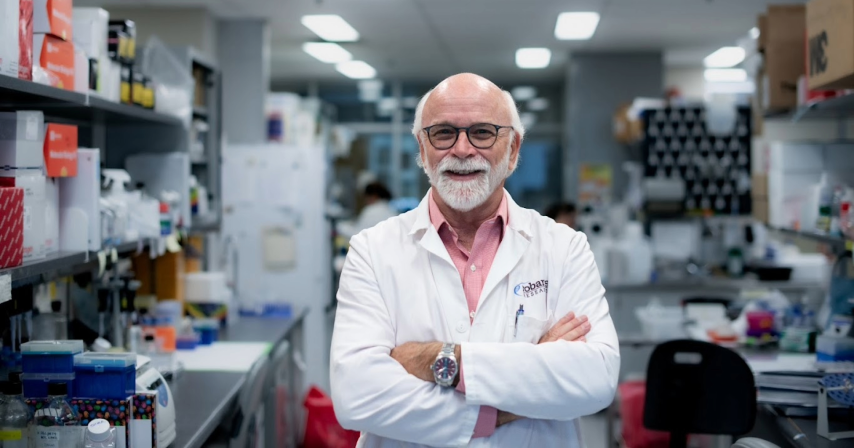
Dr. Michael Strong, Arthur J. Hudson Chair in ALS Research at Western’s Schulich School of Medicine & Dentistry, has discovered a protein that could lead to a treatment for ALS. (Allan Lewis/Schulich School of Medicine & Dentistry)
A team of researchers at Western University, led by Dr. Michael Strong, has made a significant breakthrough in ALS treatment, thanks to a generous $10-million donation from the Temerty Foundation. This discovery offers hope for ALS patients, a group that faces a devastating prognosis of two to five years post-diagnosis.
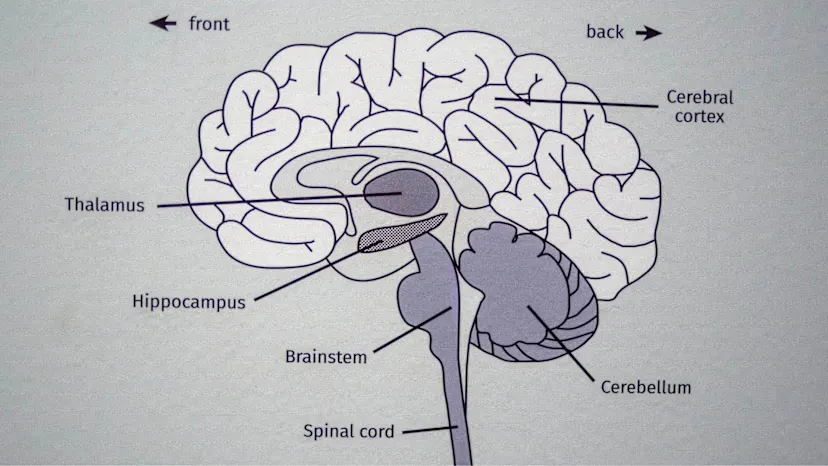
ALS, also known as Lou Gehrig's disease, is a progressive neurodegenerative disorder that affects nerve cells controlling muscle movement. Its effects include muscle wasting, paralysis, and ultimately, death. Dr. Strong, who holds the Arthur J. Hudson Chair in ALS Research at Western's Schulich School of Medicine & Dentistry, has dedicated his career to finding a cure for ALS.
The team's research, published in the journal Brain, focused on the interaction between two proteins present in ALS-affected nerve cells. By targeting this interaction, they discovered a potential avenue for halting or even reversing the progression of the disease. Dr. Strong emphasized the significance of this finding, suggesting it could lead to treatments not only for ALS but also for related neurological conditions like frontotemporal dementia.
Central to their discovery is the identification of a specific fragment of the RGNEF protein, known as NF242, which has shown promise in mitigating the toxic effects of the ALS-causing protein TDP-43. When these two proteins interact, the toxicity of TDP-43 is reduced, protecting nerve cells from degeneration and extending lifespan in animal models.
The research team's journey was made possible by the ongoing support of the Temerty Foundation, which has been a steadfast advocate for ALS research at Western. Their latest contribution of $10 million over five years aims to accelerate the development of this potential treatment and bring it to human clinical trials within the next five years.
James Temerty, founder of Northland Power Inc., and Louise Arcand Temerty expressed their commitment to finding a cure for ALS and improving the lives of those affected by this debilitating disease. Their total investment in neurodegenerative disease research at Western now stands at $18 million.
Western President Alan Shepard praised the Temerty family's dedication to advancing ALS research, noting that their support has propelled significant progress in the quest for an effective treatment. Dr. John Yoo, dean at Schulich Medicine & Dentistry, echoed this sentiment, calling it a pivotal moment in ALS research that could lead to life-changing outcomes for patients.
The team's groundbreaking discovery offers renewed hope for ALS patients and their families, signaling a potential shift in the trajectory of this devastating disease. With continued support from organizations like the Temerty Foundation, researchers are optimistic about the prospects of translating this discovery into tangible benefits for ALS patients worldwide.