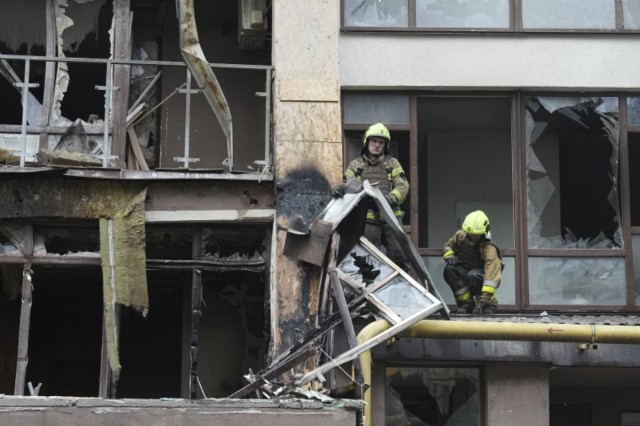
Firefighters work in a destroyed apartment building after a Russian attack in Kyiv, Ukraine, Monday, July 21, 2025.
In a dramatic escalation, Russia launched one of its largest air assaults on Kyiv just hours before crucial NATO talks on military support for Ukraine. The attack, which occurred overnight and continued into Monday morning, left two people dead and 15 injured, including a child.
Airstrikes Shake Ukraine’s Capital
Kyiv residents were jolted awake by hours of explosions, gunfire, and the buzzing of drones. Russia fired 426 drones and 24 missiles, according to Ukraine’s air force. About 200 drones were shot down, and over 200 more were jammed or lost on radar.
A drone struck the entrance of a subway station in the Shevchenkivskyi district, forcing dozens of civilians to take cover inside smoke-filled platforms. The heaviest damage occurred in the Darnytskyi district, where a kindergarten, supermarket, and warehouse caught fire.
The Russian Ministry of Defense claimed it used drones and Kinzhal hypersonic missiles to target Ukrainian airfields and military infrastructure.
French Minister Tours Damage Ahead of Talks
French Foreign Minister Jean-Noël Barrot arrived in Kyiv the same day and visited damaged areas with Ukrainian President Volodymyr Zelenskyy. Their discussions included expanding defense cooperation and France’s plans to produce drones in Ukraine. Zelenskyy also emphasized Ukraine’s push toward European Union membership.
NATO Meets to Bolster Ukraine’s Defenses
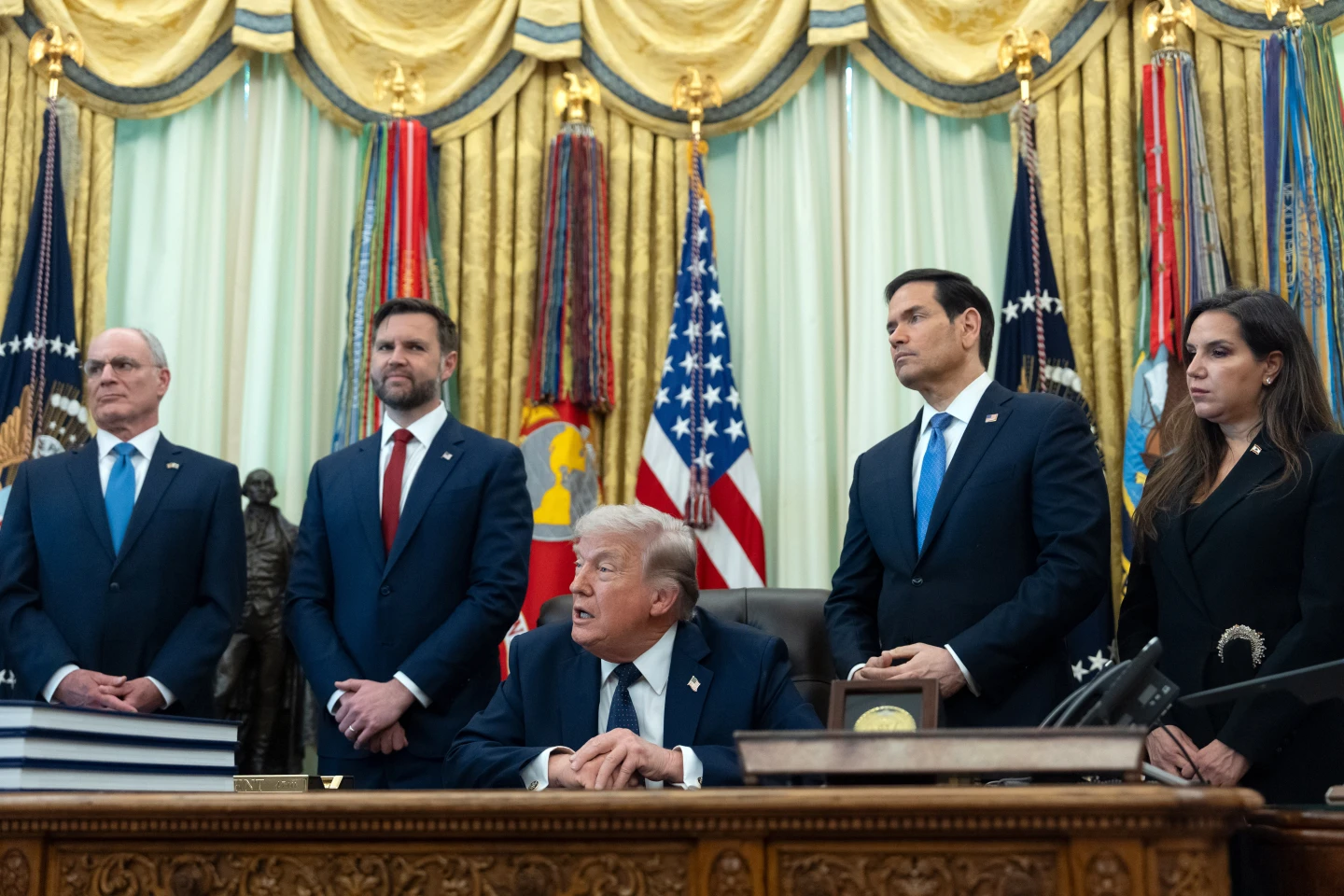
As air raid sirens faded in Kyiv, defense leaders from the U.S., U.K., Germany, and other NATO countries convened virtually in the Ukraine Defense Contact Group meeting. British Defense Secretary John Healey and German counterpart Boris Pistorius chaired the talks, joined by U.S. Defense Secretary Pete Hegseth and NATO’s Supreme Commander Gen. Alexus Grynkewich.
Zelenskyy’s new defense minister, Denys Shmyhal, appealed for accelerated delivery of U.S.-made Patriot missile systems. “We urgently need air defense,” he said, urging the U.S. to approve purchases and Europe to fund them.
Trump’s Plan for NATO and Ukraine Aid
Last week, former U.S. President Donald Trump announced a new plan involving NATO countries supplying American weapons, such as Patriot systems, to Ukraine either from existing reserves or through new purchases. Trump also issued a 50-day deadline for Russia to agree to a ceasefire or face tougher sanctions.
The U.K. signaled strong backing for this initiative. Healey proposed a “50-day push” to get Ukraine the firepower needed to counter Russian forces and pressure Putin into talks.
NATO Coordination Underway, But Timelines Unclear
NATO officials confirmed ongoing preparations for weapons transfers, though timelines remain vague. The U.S. Ambassador to NATO declined to offer specific dates, while NATO continues to coordinate artillery, ammunition, and air defense shipments.
Germany has offered to fund two new Patriot systems and may contribute units from its own inventory, though Chancellor Friedrich Merz noted the logistics could take weeks. Switzerland also agreed to reprioritize delivery of five previously ordered Patriot systems to support Ukraine.
Drone Strikes Escalate on Both Sides
While Kyiv endured a punishing attack, Ukraine also launched long-range drones at Russia overnight. Moscow’s defense ministry claimed it downed 74 Ukrainian drones, 23 of them near the capital. The escalating drone warfare signals a dangerous new phase in the conflict.
Peace Talks in the Works?
Zelenskyy revealed that another round of negotiations with Russia is scheduled for Wednesday. Rustem Umerov, who led Ukraine’s previous delegation, will again represent the country. Past talks yielded only prisoner exchanges, with no progress on broader peace agreements.
Previous sessions were held in Istanbul, and reports suggest the Turkish city will continue as host.