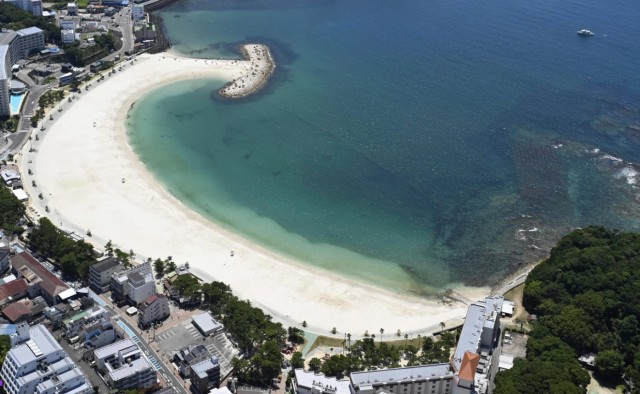
This shows an empty beach in Shirahama, Wakayama prefecture, western Japan, Wednesday, July 30, 2025, after beachgoers evacuated as a powerful earthquake in Russia’s Far East prompted a tsunami alert in parts of Japan.
A powerful 8.8-magnitude earthquake struck Russia’s Kamchatka Peninsula early Wednesday, triggering widespread tsunami alerts across the Pacific. Tremors were felt across Japan and Alaska, with tsunami warnings stretching from Hawaii to the shores of Central and North America.
Though small tsunami waves reached some regions, no major damage or casualties have been reported so far.
Small Waves, Big Panic
Tsunami waves caused by the undersea quake were relatively modest in size. In northern Japan, a 50-centimetre wave was recorded at Ishinomaki port. In Alaska, waves under 30 centimetres were reported in Adak and Amchitka.
Despite their small size, the threat prompted evacuations and emergency responses in multiple locations. Authorities reminded the public that tsunamis often consist of several waves, not just one. These can continue to hit the coast over a long period.
Hawaii and Oregon Issue Tsunami Warnings
In Hawaii, sirens sounded across the islands just as the Tuesday afternoon rush hour began. Roads became clogged as residents scrambled to higher ground. Schools cancelled evening events, and beaches were closed.
The Pacific Tsunami Warning Center warned that all Hawaiian coastlines were at risk. The first waves were expected around 7 p.m. local time.
Meanwhile, in Oregon, the state’s emergency management agency warned of waves between 30 to 60 centimeters starting around 11:40 p.m. The public was urged to avoid beaches and marinas until further notice.
Warnings Spread Across Pacific Coastlines
Authorities in British Columbia, Washington, and California issued tsunami advisories. Canada expected minor waves under 30 centimeters to reach remote locations like Langara Island and Tofino late Tuesday night.
New Zealand, thousands of miles from the quake's epicentre, also braced for impact. Government agencies warned of strong currents and unpredictable coastal surges.
Russia Reports Damage, No Serious Injuries
The earthquake’s epicenter was 119 kilometers southeast of Petropavlovsk-Kamchatsky, a city of 180,000 residents. Tremors caused minor damage to buildings and power outages. Mobile networks were also affected.
Severo-Kurilsk, a town in the Kuril Islands, saw the first tsunami waves. Residents evacuated to higher ground but remained safe. Regional authorities confirmed a few medical consultations but no serious injuries.
One of the World’s Most Powerful Quakes in Recent Years
This quake ranks among the strongest recorded globally since Japan’s devastating 9.0-magnitude quake in 2011. It also stands as the most powerful in the Kamchatka region since 1952.
The U.S. Geological Survey recorded multiple aftershocks—some as strong as magnitude 6.9—following the main 8.8 quake. The depth was measured at 20.7 kilometers, contributing to the broad reach of tsunami waves.
Japan Reacts with Caution
Japan’s government quickly issued tsunami alerts and advised evacuation for over 900,000 residents in 133 coastal municipalities. Transportation was affected. Ferries between major islands were suspended, and Sendai airport was temporarily closed.
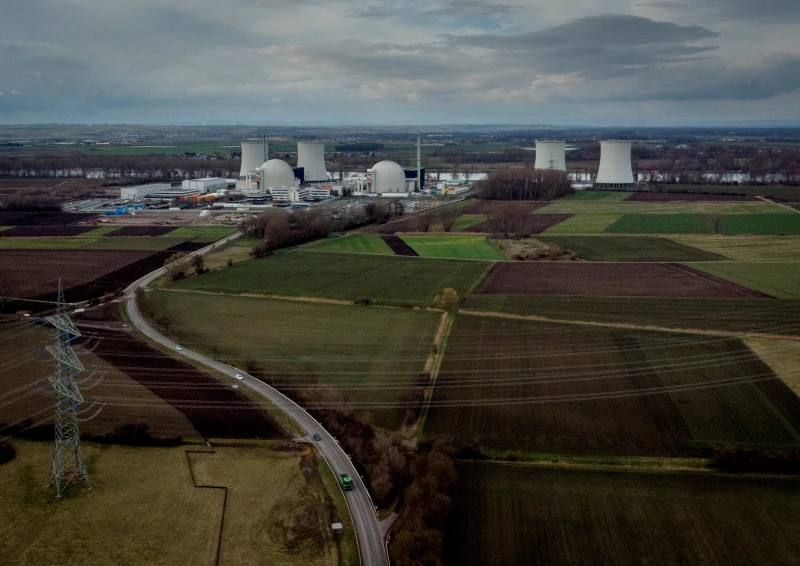
No injuries or structural damage have been reported in Japan so far. Nuclear power plants, including the Fukushima Daiichi facility, remained secure, with thousands of workers moved to higher ground as a precaution.
Ripple Effects Across the Pacific
The Philippines advised residents along its eastern coast to avoid beaches and low-lying areas. Though waves were expected to be under 1 meter, authorities warned that strong currents posed serious risks to swimmers and fishermen.
In Mexico, the navy issued alerts for Ensenada and other coastal areas, warning that waves could hit between 2:22 a.m. and 7:15 a.m. local time. Residents were asked to stay away from the water.
Experts Warn of Ongoing Aftershocks
Scientists from Russia’s Geophysical Survey said the region could experience more aftershocks in the coming month. Residents were warned to avoid certain coastal zones, as further seismic activity remained likely.
Earlier this month, the same region experienced five quakes, including one of magnitude 7.4. The Kamchatka Peninsula, sitting along the Pacific “Ring of Fire,” is no stranger to seismic events.
While the immediate tsunami impacts from this 8.8-magnitude earthquake appear limited, the widespread alerts and evacuations underscore the region's vulnerability to natural disasters. Authorities across the Pacific continue to monitor the situation closely as aftershocks ripple through the region.