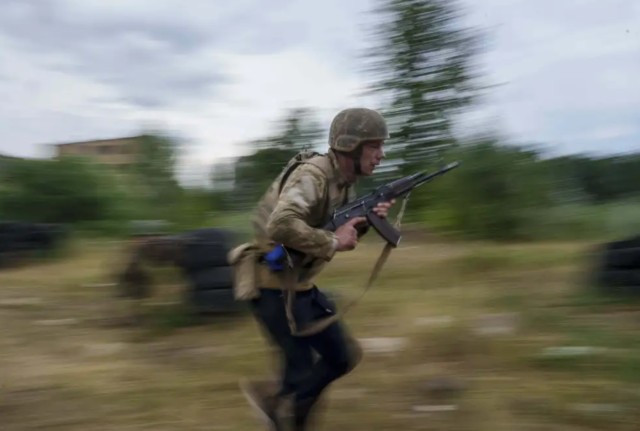
Ukrainian military recruits train at the polygon in the Kyiv region, Ukraine, Wednesday, July 16, 2025
NATO has launched a new phase in its military support to Ukraine. It will now coordinate regular and large-scale arms deliveries, ensuring quick deployment based on battlefield needs. These efforts aim to strengthen Ukraine’s defense against Russia’s escalating offensive.
Major Contributions from the Netherlands and Nordic Nations
The Netherlands recently pledged €500 million ($578 million) in military aid. This includes air defense systems, ammunition, and other critical supplies. The package is designed to directly address Ukraine's most urgent needs.
Meanwhile, Sweden has joined hands with Denmark and Norway. Together, the Nordic countries announced a combined $500 million package. Sweden alone is contributing $275 million to this joint effort, which includes air defense units, anti-tank weapons, and spare parts.
Shipments Expected Soon
Two large shipments of U.S.-sourced weapons are expected to arrive in Ukraine this month. The Nordic contribution, however, will likely be delivered by September. NATO confirmed that such military packages will now be prepared swiftly and shipped regularly.
“Packages will be prepared rapidly and issued on a regular basis,” NATO stated on Monday.
Air Defense is Ukraine’s Top Priority
Air defense systems are at the top of Ukraine's wish list. Russia’s continuous missile attacks on cities behind the frontlines have killed over 12,000 civilians, according to the United Nations. Ukraine needs more powerful systems to protect both troops and civilians.
Germany responded to this urgent need by announcing the delivery of two additional U.S.-made Patriot air defense systems. These will arrive in the coming days. The U.S. agreed to prioritize sending replacement Patriots to Germany, allowing it to assist Ukraine without compromising its own defense.
U.S. Weapons Dominate NATO Supplies
Much of the new equipment is being purchased from the United States. The U.S. holds the largest ready stockpile of effective weapons and ammunition, making it a preferred supplier. Despite this, the current Trump administration has not committed to sending direct military aid to Ukraine.
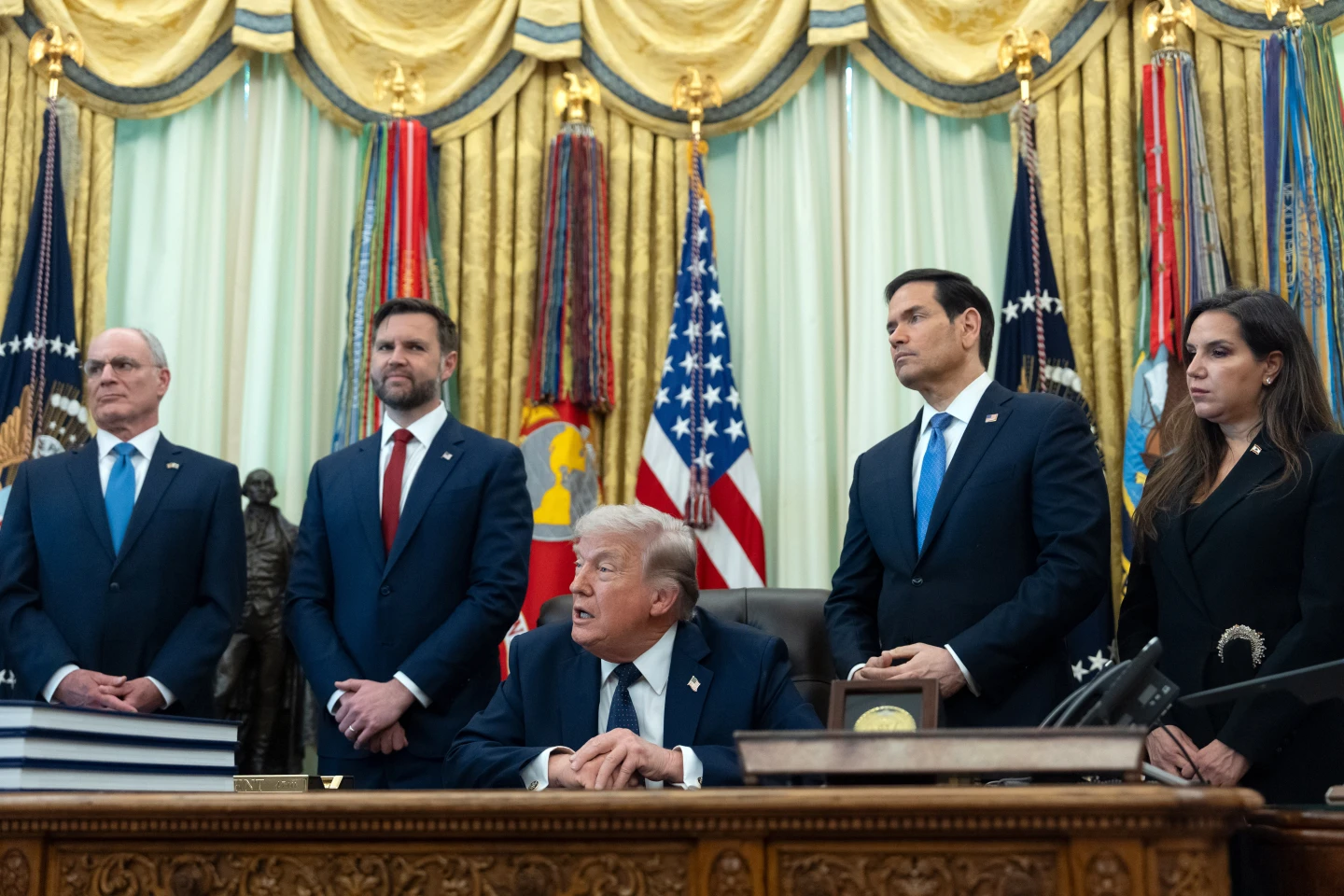
Former President Trump emphasized that European nations must handle Ukraine's security. He stated on July 28:
“We’re going to be sending now military equipment and other equipment to NATO, and they’ll be doing what they want, but I guess it’s for the most part working with Ukraine.”
While the U.S. government stays neutral, NATO allies have ramped up their efforts independently.
European Support Surpasses U.S. Aid
As of June 2025, European countries have delivered around €72 billion ($83 billion) in military support since Russia’s full-scale invasion began in February 2022. In comparison, U.S. aid stands at $65 billion, according to the Kiel Institute.
Dutch Defense Minister Ruben Brekelmans stressed the importance of continued support:
“American air defense systems and munitions, in particular, are crucial for Ukraine to defend itself.”
He described Russia’s recent attacks as “pure terror.”
Zelenskyy Thanks Allies for Timely Help
Ukrainian President Volodymyr Zelenskyy publicly thanked the Netherlands for its strong commitment.
“Ukraine, and thus the whole of Europe, will be better protected from Russian terror,” he posted on social media.
He added that the aid comes just as Russia intensifies its assault.
NATO’s Expanding Role
Traditionally, NATO offers non-lethal aid such as medical supplies, tents, and logistics. However, as the war drags on, NATO’s role is expanding. Though the alliance remains cautious to avoid direct conflict with Russia, it has now taken on a more active support role.
While NATO itself avoids supplying lethal weapons, it facilitates coordination among member states to ensure Ukraine receives timely and appropriate military assistance.
As the war enters a critical phase, NATO’s coordinated arms deliveries mark a strategic shift. Ukraine is receiving consistent, targeted military aid — a key factor in its ongoing resistance against a much larger Russian force.