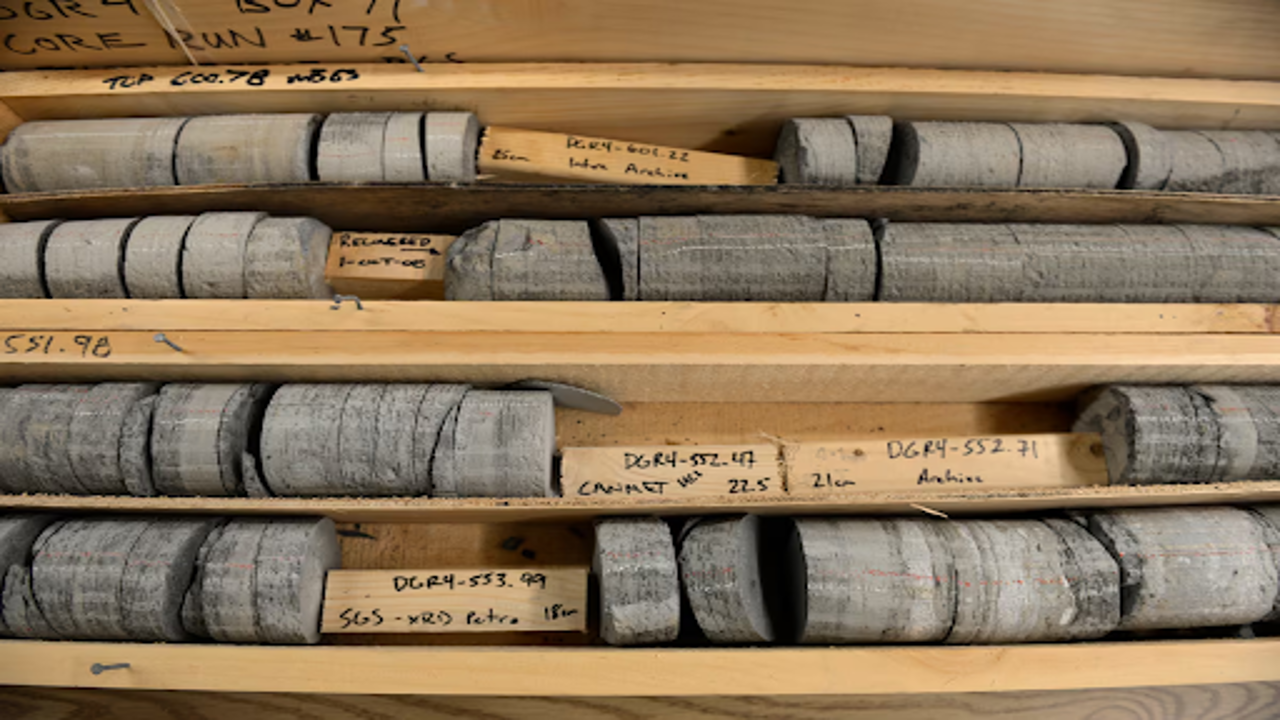
In 2013, core samples taken from areas around Lake Huron helped nuclear officials identify potential locations for constructing a secure underground facility for radioactive waste. After an extended search, the Nuclear Waste Management Organization is expected to reveal the chosen site by the end of 2024. The Globe and Mail
For over 50 years, Canada's Candu nuclear reactors have been a crucial part of the country's energy landscape. The province of Ontario, which houses all but one of these reactors, relies on nuclear power for approximately 60% of its electricity. This energy source is valued for its minimal greenhouse gas emissions, making it a key player in Canada's climate goals.
To support its electricity needs and climate targets, Ontario has unveiled a substantial plan to refurbish the aging Pickering nuclear plant located east of Toronto. This initiative is part of a broader global resurgence in nuclear energy, which had stalled due to safety concerns following the Chornobyl and Fukushima disasters. Now, nuclear power is being reconsidered as a viable, low-emission energy source.
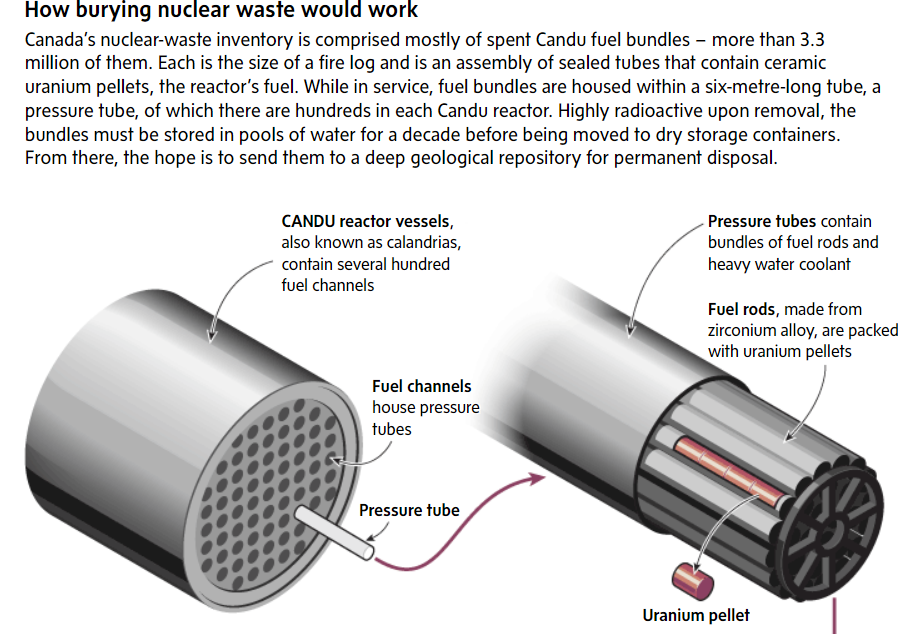
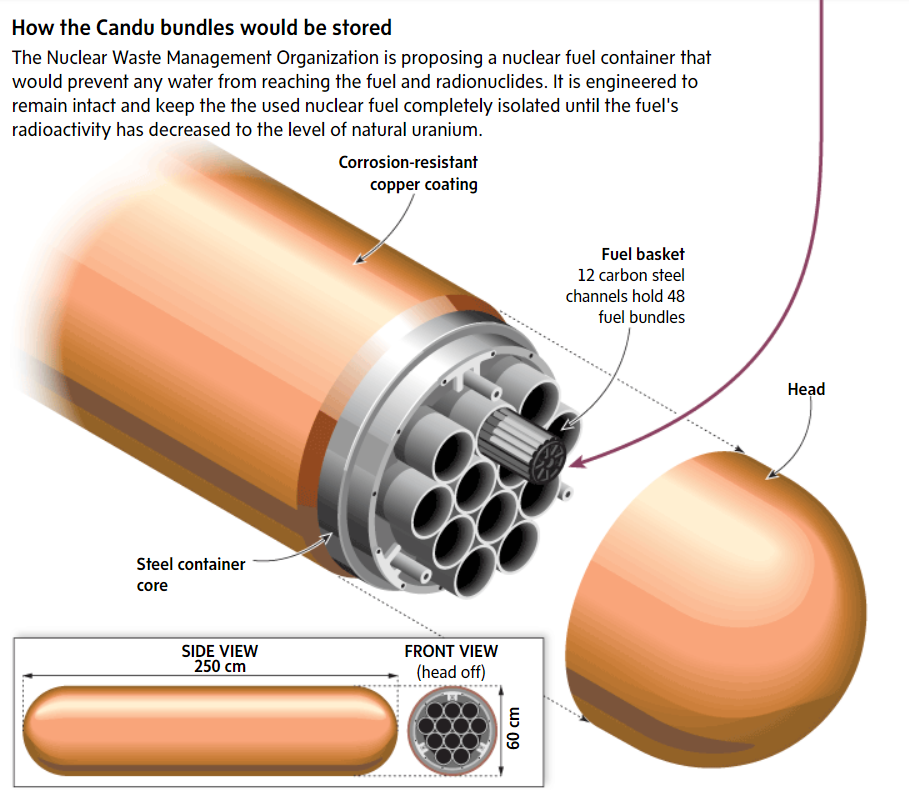
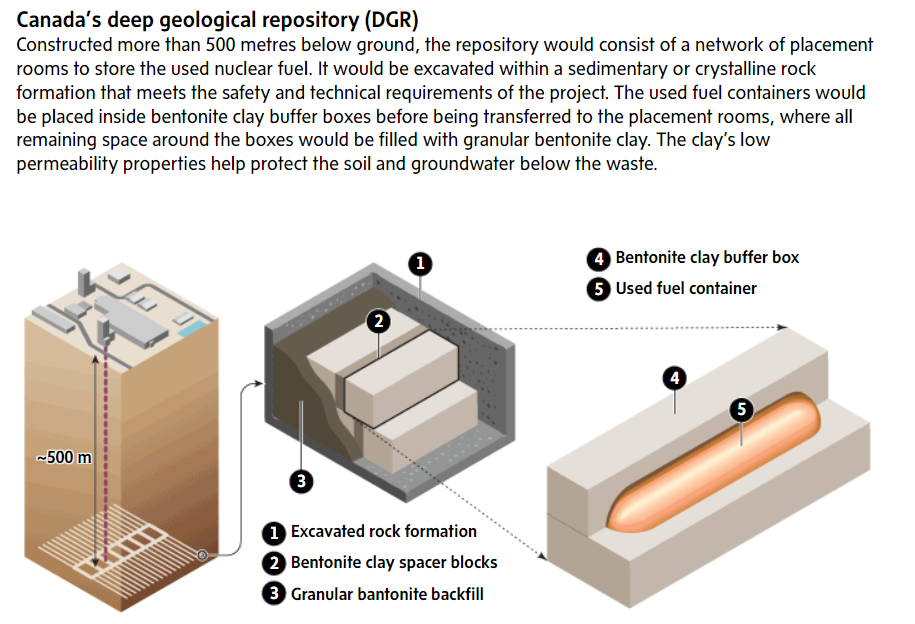
Source: CANADIAN NUCLEAR SAFETY COMMISSION; NUCLEAR WASTE MANAGEMENT ORGANIZATION
One of the major challenges with nuclear power is managing radioactive waste. The waste generated from nuclear reactors, especially from Candu reactors, remains highly radioactive for thousands of years. To address this issue, Canada is developing a "deep geological repository" (DGR) to store used reactor fuel safely. This involves burying the radioactive waste deep underground to ensure it remains isolated from the environment.
By the end of the year, Canada’s Nuclear Waste Management Organization (NWMO) plans to select a community to host this deep geological repository. Ignace, located in Northwestern Ontario, has already expressed interest in hosting the repository, while South Bruce in Southern Ontario will hold a referendum on October 28 to decide if it will accept the project.
The construction of a DGR is a monumental task, estimated to cost around $26 billion and take several years to complete. The NWMO recently invited media to a testing facility in Oakville, Ontario, to showcase the proposed design and construction methods for the repository.
Here’s how the storage system will work: Canada's nuclear waste mainly consists of spent Candu fuel bundles, which are cylindrical assemblies containing uranium pellets. After their initial use, these bundles are highly radioactive and are stored in water pools for about a decade to cool down before being transferred to dry storage containers. Eventually, they will be moved to the deep geological repository for permanent disposal.
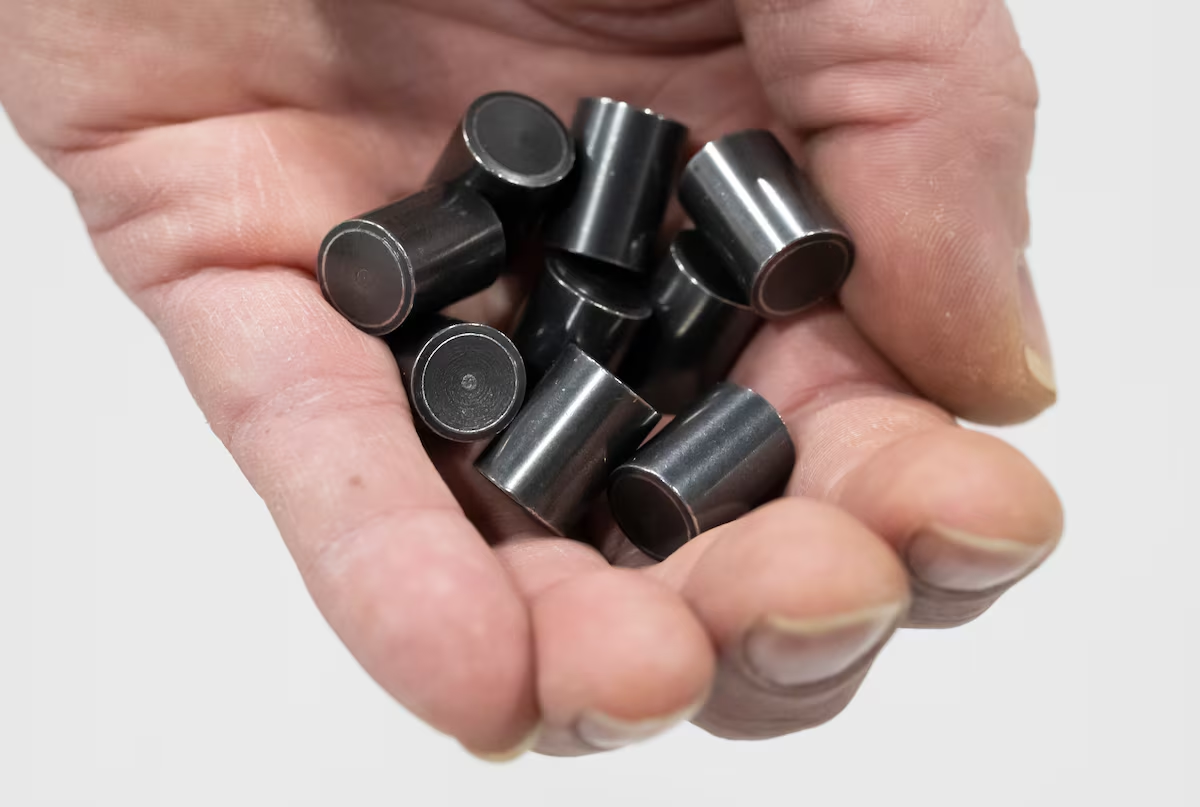
At the NWMO facility in Oakville, Ontario, staff display uranium samples, the equipment used for transporting it, and the copper-coated containers designed for its long-term storage. The Canadian Press
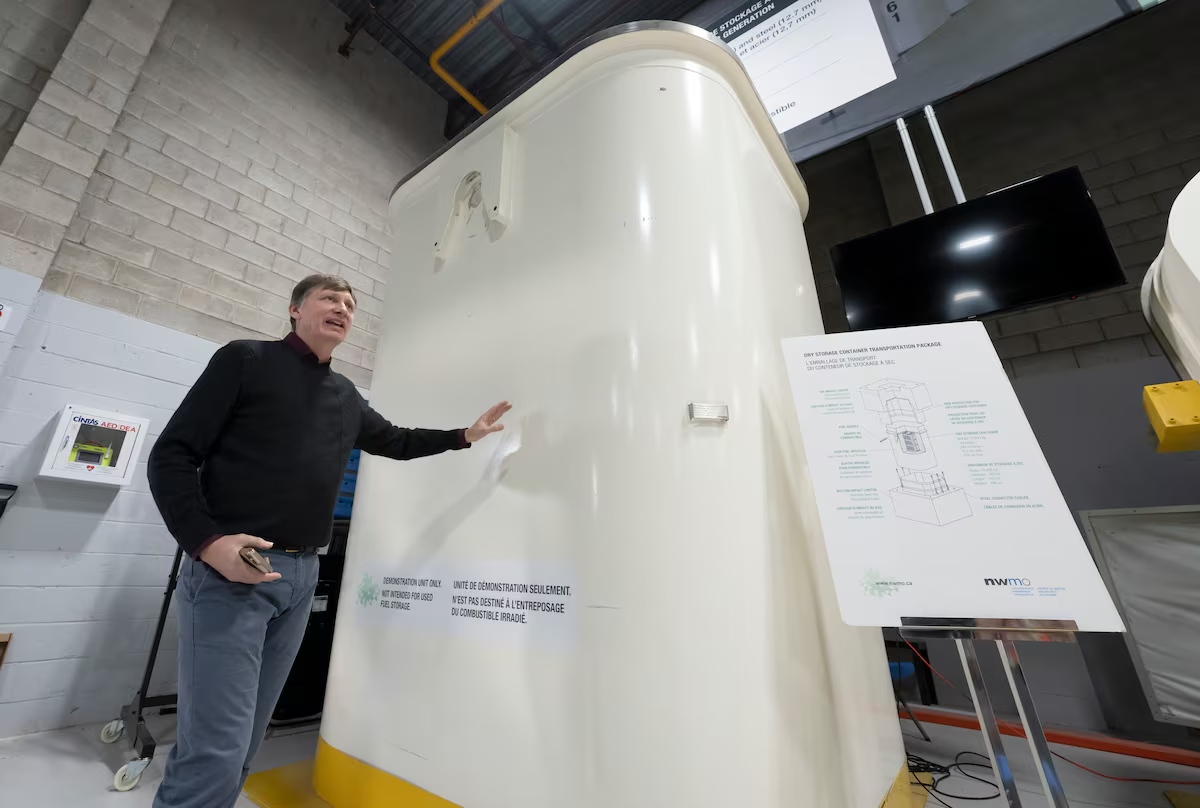
At the NWMO facility in Oakville, Ontario, staff display uranium samples, the equipment used for transporting them, and the copper-coated containers designed for long-term storage. The Canadian Press
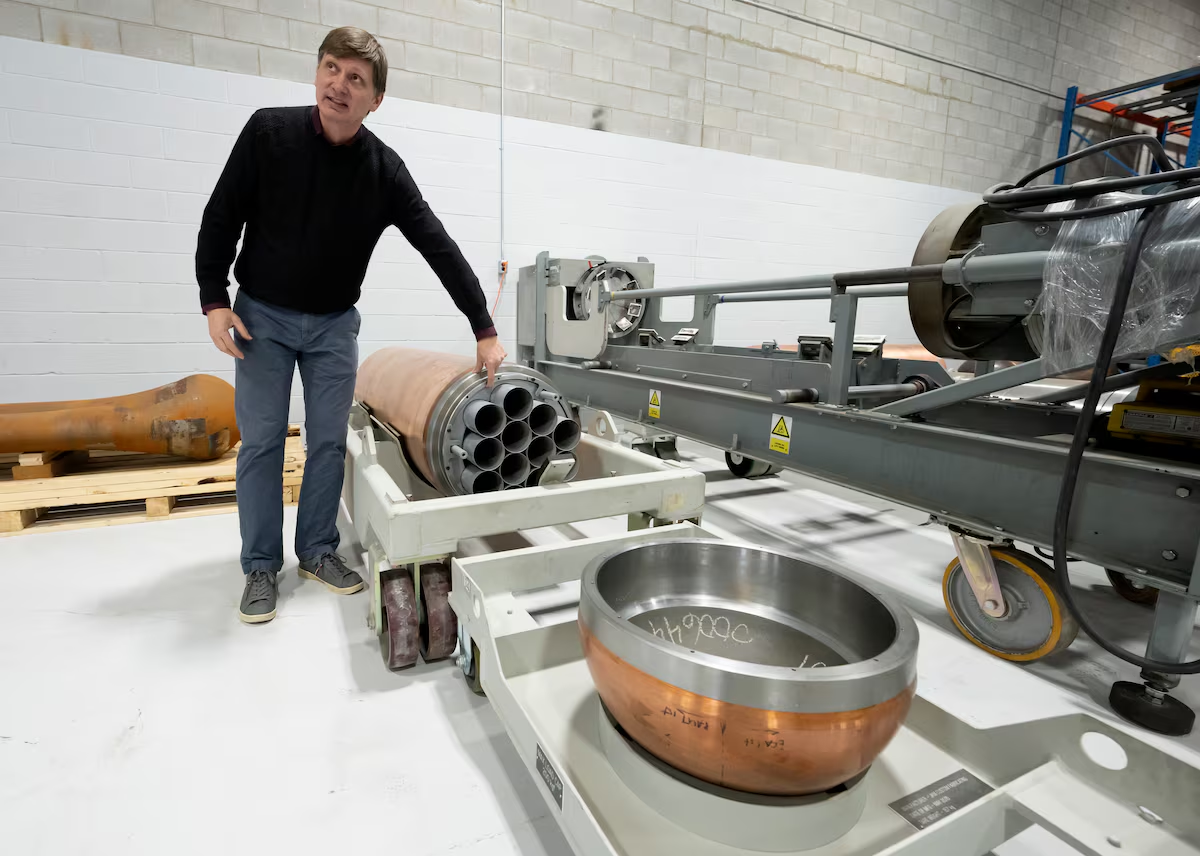
At the NWMO facility in Oakville, Ontario, staff display uranium samples, the equipment used for transporting it, and the copper-coated containers designed for long-term storage. The Canadian Press
The DGR will be constructed more than 500 meters underground within a stable rock formation. It will feature a series of storage rooms where the used fuel containers will be placed. These containers are designed to be extremely durable, with a copper coating to prevent corrosion. The containers will be stored in bentonite clay buffer boxes, which will provide additional protection by sealing the containers from any potential water ingress.
Despite careful planning, not everyone is convinced about the safety and efficacy of the DGR. Critics argue that the project is essentially an untested science experiment and are concerned about the long-term safety of the waste disposal system. Some local groups and environmental advocates are also questioning the expansion of nuclear power, suggesting that resources would be better spent on renewable energy sources like wind and solar power.
Internationally, other countries are also exploring similar solutions for nuclear waste. For instance, Finland has already started constructing the world’s first DGR, and Sweden has approved plans for its own repository. These global efforts reflect a broad scientific consensus that deep geological disposal is the best method for managing high-level nuclear waste.
While Canada’s plan for a deep geological repository represents a significant step in managing nuclear waste, it remains a complex and contentious issue. The selection of a host community and the eventual construction of the repository will be crucial in addressing the long-term challenges of radioactive waste disposal.