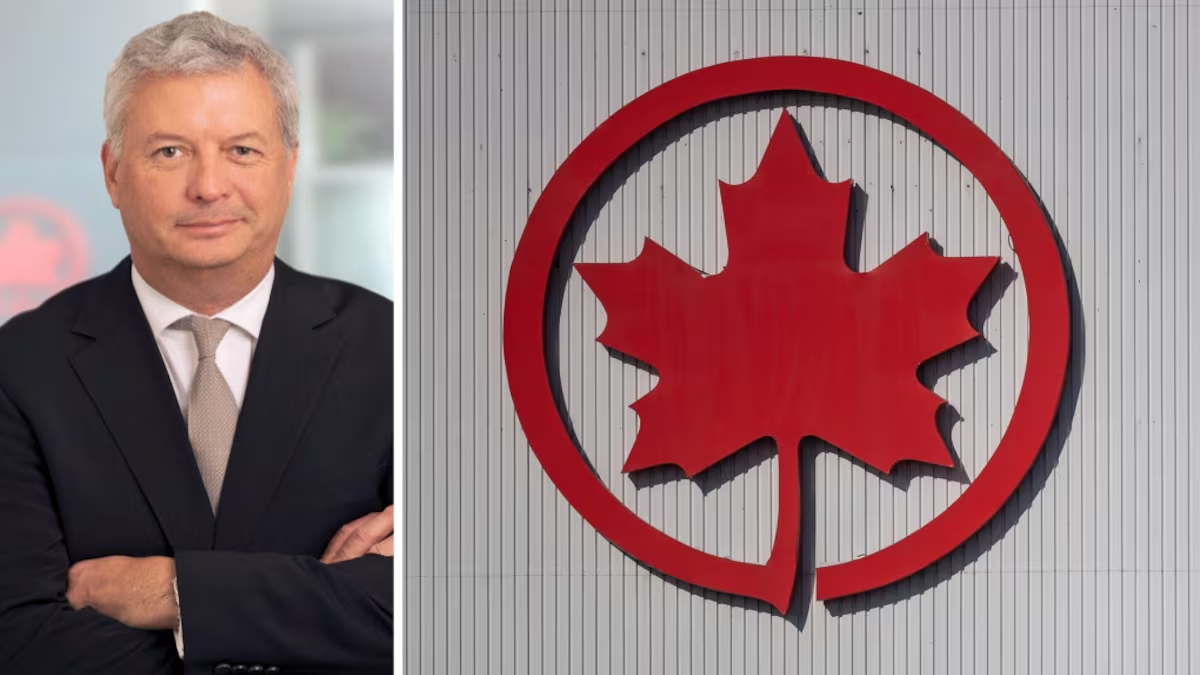
Air Canada CEO called to explain English-Only message after fatal crash. CTV
Air Canada’s CEO, Michael Rousseau, has been called to explain himself before the Committee on Official Languages after his English-only message of condolence following a plane crash that claimed the lives of two pilots. The collision occurred at New York’s LaGuardia Airport on Sunday evening, and one of the pilots, Antoine Forest, was from Quebec.
The Committee has expressed "strong indignation" about the message, claiming it violated the expectations set by the Official Languages Act. In response, a motion was passed unanimously in the House of Commons, demanding that Rousseau appear before MPs by May 1 to explain his actions. By Tuesday afternoon, the Commissioner of Official Languages had already received 84 complaints regarding the issue.
The Fallout and Reaction from Quebec and Ottawa
The controversy sparked outrage in Quebec, Ottawa, and across social media platforms. Critics, including Quebec’s Federal Transport Minister Steven MacKinnon, have labeled the CEO’s decision to issue an unilingual video as "unacceptable." MacKinnon emphasized that Air Canada, as a federally regulated airline, has a legal obligation to communicate in both official languages.
Bloc Québécois leader Yves-François Blanchet did not hold back in his comments, calling the act a "gross lack of respect" for the family of the pilot from Coteau-du-Lac, a French-speaking community in Quebec. In a social media post, Blanchet said Rousseau needed to seriously consider whether he was still fit to lead the company. "After this sad and crude lack of respect towards the loved ones and family of the pilot, the head of Air Canada must ask himself very seriously whether he has disqualified himself from the role," said Blanchet.
The Condolence Video and Public Backlash
Rousseau’s message, which was shared on multiple social media platforms, was less than four minutes long. In it, he expressed sadness over the tragic loss of the two pilots but only included two words in French: "bonjour" at the beginning and "merci" at the end. This minimal use of French in the message quickly became a point of contention, with many accusing him of disrespect for the French-speaking community, particularly in Quebec.
Rousseau’s video and his failure to deliver a fully bilingual message sparked public outrage in both French and English, with many commenting on his disregard for the bilingual nature of Canada. His choice to speak only in English in a video intended to address such a sensitive matter further fueled the criticism.
Previous Language Controversy for Rousseau
This is not the first time Rousseau has been involved in a language-related controversy. In 2021, he faced backlash for delivering a largely English speech in Montreal. He also made comments boasting about working and living in Quebec for over 14 years without learning French, which angered many in the province. Rousseau later apologized for those remarks and pledged to improve his French. However, despite the apology, three years later, he still struggled to answer questions in French.
Government’s Role and the Future of Language in Air Canada
The debate over the language issue at Air Canada highlights the challenges of balancing bilingual obligations within the company. While Air Canada is a private corporation, it is still required to follow the Official Languages Act, which means it must serve Canadians in both English and French. The controversy raises important questions about language use in the public and private sectors, especially when it comes to national institutions like Air Canada.
As the situation unfolds, the Committee on Official Languages will continue to examine what actions should be taken in such cases to ensure that language obligations are met across the country.