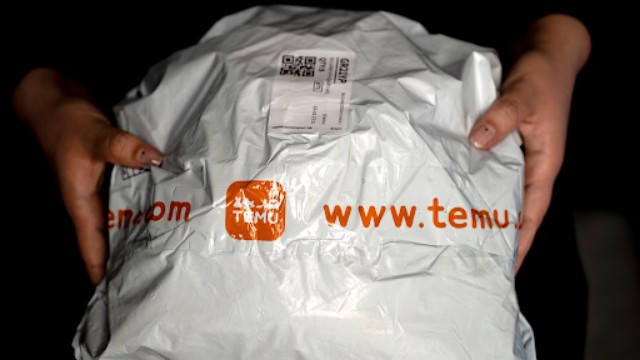
Someone is seen holding a Temu package. (NurPhoto/Getty Images via CNN Newsource)
In a move that could change how millions of Americans shop online, former President Donald Trump has officially scrapped a global trade loophole that allowed overseas goods valued under $800 to enter the United States without paying import taxes. This decision strikes a heavy blow to fast-growing e-commerce giants like Shein and Temu, both of which have relied on this system to ship low-cost goods directly from China to American buyers.
The policy, known as the de minimis exemption, was originally created to streamline customs for small-value packages. But with platforms like Shein and Temu sending hundreds of millions of such packages into the US, critics say the system was being exploited. Trump's latest executive order puts an end to duty-free access—not only from China and Hong Kong, as previously enforced in May, but now from every country globally.
Trump cited national security concerns, stating that low-value packages often evade detection and are used to smuggle illicit goods. The new rule mandates that all packages must clearly declare their country of origin to US Customs and Border Protection.
Chinese e-commerce companies, especially Shein and Temu, had already begun shifting strategies earlier this year. After the original May exemption removal for Chinese goods, Temu announced a new shipping model, moving operations through US-based distributors to reduce delivery times. The company claimed it would not raise prices for US customers. However, some buyers began noticing price hikes and frequent stock shortages.
Experts warn that these companies now face even steeper challenges. “By removing the exemption globally, there’s no longer a backdoor,” explained Chris Tang, a UCLA professor specializing in supply chain management. Retailers can no longer route products through lower-tariff countries like Vietnam to avoid import costs.
Temu and Shein may try to offset the cost by increasing bulk imports to US warehouses, but even these methods now incur duties. Consumers could soon see price tags go up as companies are forced to absorb—or pass along—the costs of shipping.
The ripple effect won’t stop there. Amazon’s budget-friendly division, Amazon Haul, which competes with Temu and TikTok Shop and ships directly from China, is expected to face similar hurdles. In response, Amazon told CNN that it will continue to offer competitive prices and wide product variety despite the changes.
The shift could be especially hard on low-income shoppers. A recent study found that nearly half of all de minimis shipments went to ZIP codes with the lowest income brackets, making this group most vulnerable to potential price surges.
The new policy officially takes effect on August 29. From that point, international packages will face import taxes based on their country’s tariff rates. Goods from nations with rates under 16% may see duties of $80 per item, while those from countries with tariffs over 25% could face fees of $200 or more.
Initially, this global rule change was set for July 2027 under Trump’s “Big Beautiful Bill.” But now, it’s happening much sooner—and it’s likely to reshape the global e-commerce landscape.