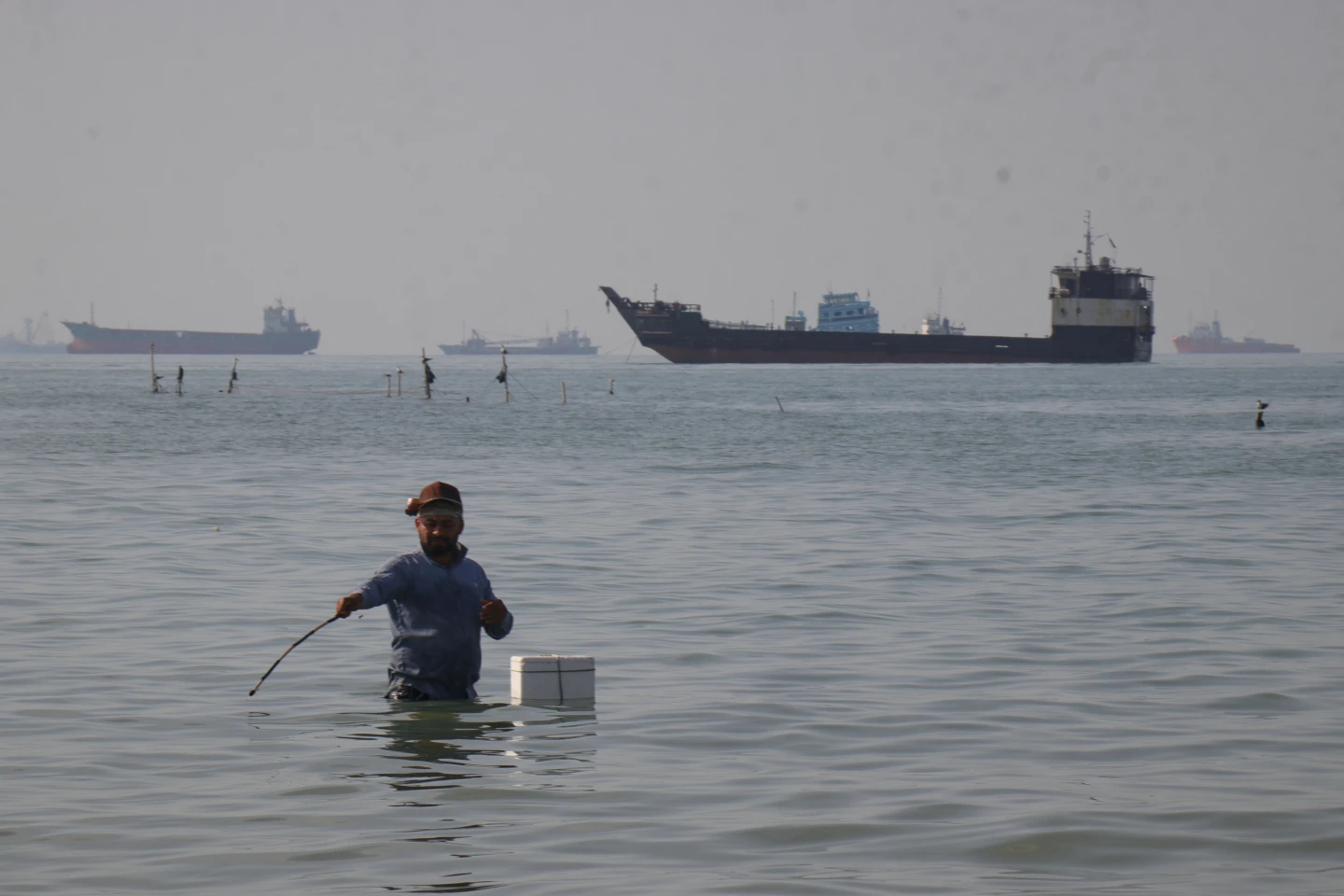
A man stands in the water, appearing to fish, as bulk carriers, cargo ships, and service vessels line the horizon in the Strait of Hormuz off Bandar Abbas, Iran, Monday, April 27, 2026.
U.S. President Donald Trump has dismissed Iran’s latest proposal to end the ongoing conflict, signaling continued uncertainty despite a fragile ceasefire that has temporarily reduced direct hostilities. The rejection highlights deep divisions between both sides, even as diplomatic channels remain active behind the scenes.
Trump Rejects Iran Proposal Amid Ongoing Negotiations
The latest Trump rejects Iran proposal moment unfolded shortly after Tehran submitted its plan through mediators in Pakistan. The proposal was intended to revive negotiations and move toward a lasting resolution, but Trump quickly expressed dissatisfaction without outlining specific concerns.
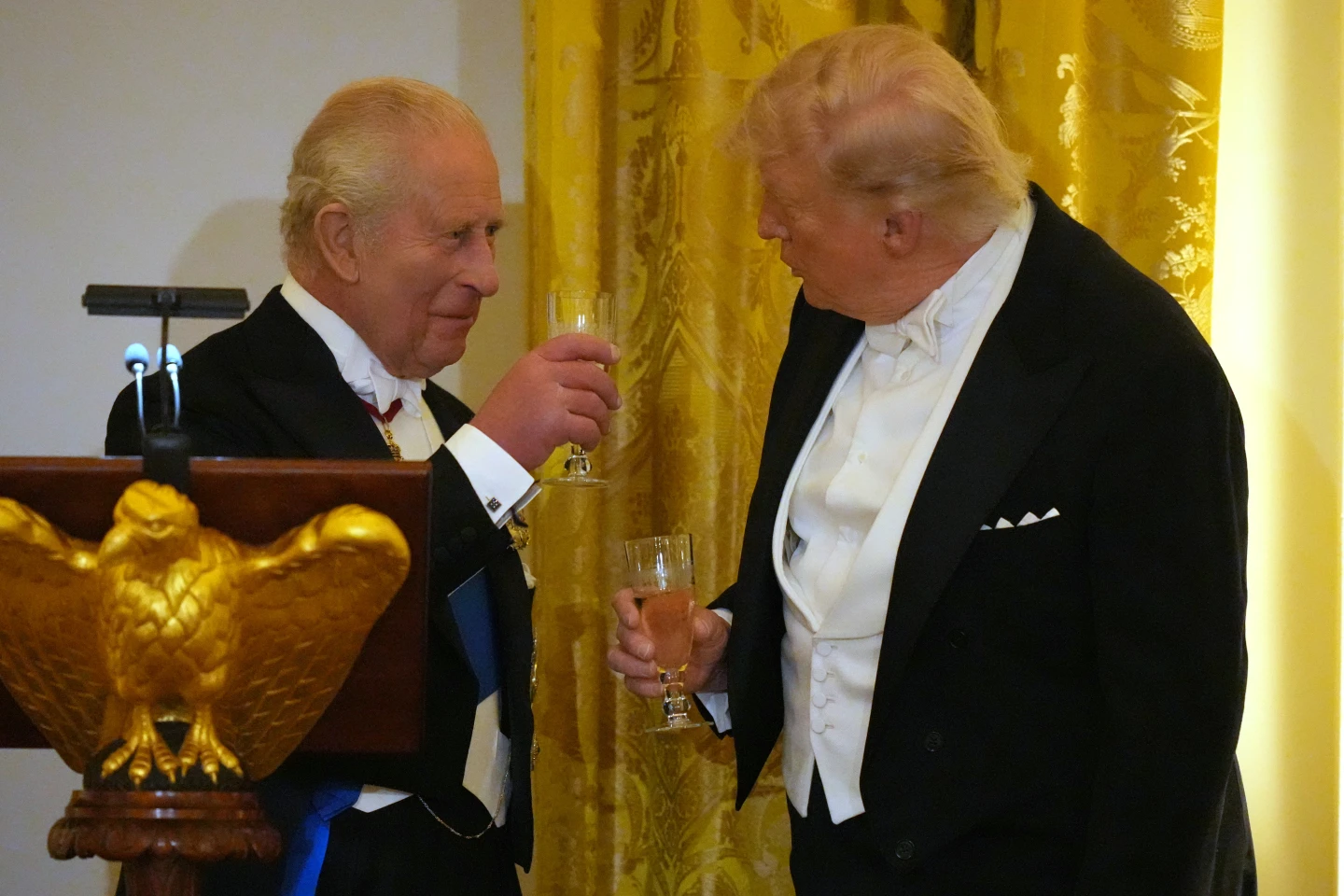
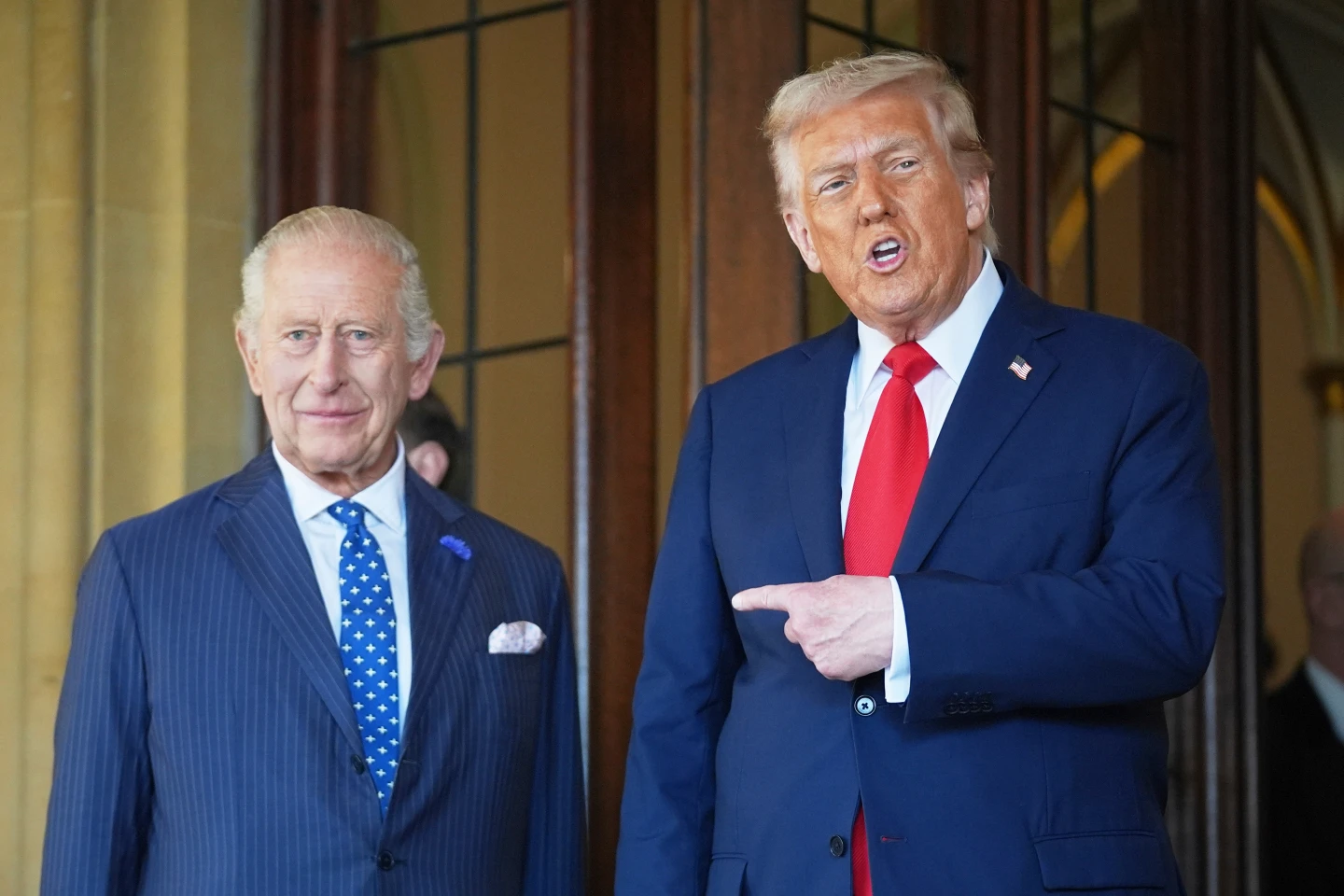
Speaking at the White House, he acknowledged that Iran appeared willing to negotiate but suggested the terms fell short of expectations. His remarks pointed to broader frustration with what he described as internal divisions within Iran’s leadership, which he believes complicate efforts to reach a unified agreement.
Despite this setback, indirect discussions between the two sides have continued, primarily through phone conversations after planned diplomatic meetings were scaled back.
Fragile Ceasefire Holds as Tensions Simmer
While Trump rejects Iran proposal efforts, a temporary ceasefire between the two countries has largely prevented further escalation on the ground. However, both sides have accused each other of minor violations, keeping tensions high and trust limited.
The standoff has shifted focus to strategic pressure points, particularly the Strait of Hormuz, a critical global shipping route. The United States has enforced restrictions affecting Iranian oil exports, while Iran has maintained leverage over maritime traffic, creating a delicate balance of power.
This ongoing confrontation has not only strained bilateral relations but also introduced volatility into global energy markets, given the route’s importance for oil and gas shipments.
Diplomatic Outreach Continues Across Regions
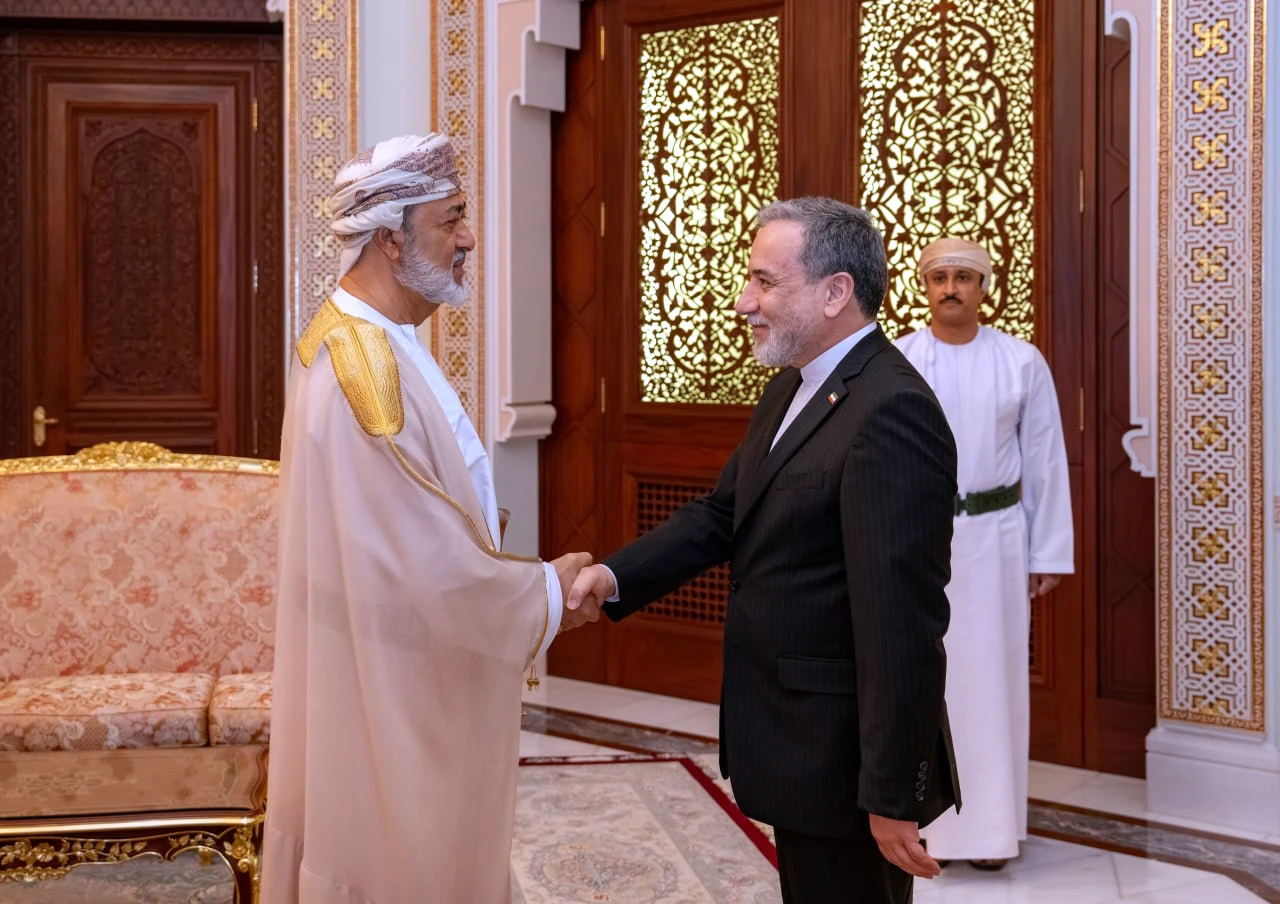
Even as Trump rejects Iran proposal attempts, Iranian officials have intensified diplomatic outreach to regional and international partners. Abbas Araghchi has engaged in a series of discussions with leaders from countries across the Middle East, seeking support for Tehran’s position and exploring potential pathways to de-escalation.
European involvement has also remained active, with Kaja Kallas participating in conversations focused on reopening trade routes and ensuring long-term regional stability. These efforts reflect a broader recognition that resolving the conflict will require coordinated international engagement.
Analysts suggest that the continued exchange of proposals, even amid rejection, indicates that both sides are still seeking a diplomatic middle ground.
Military Options and Strategic Choices Loom
Trump’s comments underscored the stark choices facing the United States, framing the situation as a decision between pursuing a negotiated settlement or escalating military action. While he acknowledged some progress within Iran’s leadership, he remained uncertain about its ability to consolidate a unified approach.
This uncertainty has kept the possibility of renewed hostilities alive, particularly as both nations continue to strengthen their strategic positions. The situation remains fluid, with each development influencing the next phase of decision-making.
Humanitarian and Security Concerns Intensify
Beyond diplomacy, the broader conflict continues to take a toll on lives and infrastructure across the region. Reports of casualties from unexploded ordnance and ongoing instability highlight the lingering dangers even during periods of reduced fighting.
Meanwhile, concerns over human rights have also resurfaced, drawing attention to the condition of detainees and the impact of prolonged conflict on civilian populations.
Trump Rejects Iran Proposal as Uncertainty Persists
As Trump rejects Iran proposal efforts, the path toward a lasting resolution remains unclear. While the ceasefire has created space for dialogue, deep mistrust and competing priorities continue to hinder progress.
For now, the situation reflects a delicate balance between diplomacy and confrontation, with both sides navigating complex internal and external pressures. The coming weeks will likely determine whether negotiations can regain momentum or if tensions will once again escalate into open conflict.