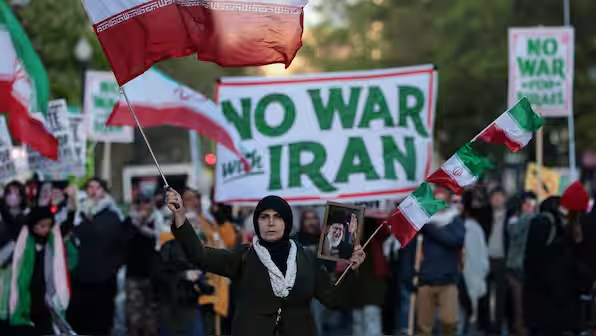
Iran proposes sweeping 30-day settlement plan as Trump reviews offer but expresses doubt over deal prospects. Photo Credit: Reuters
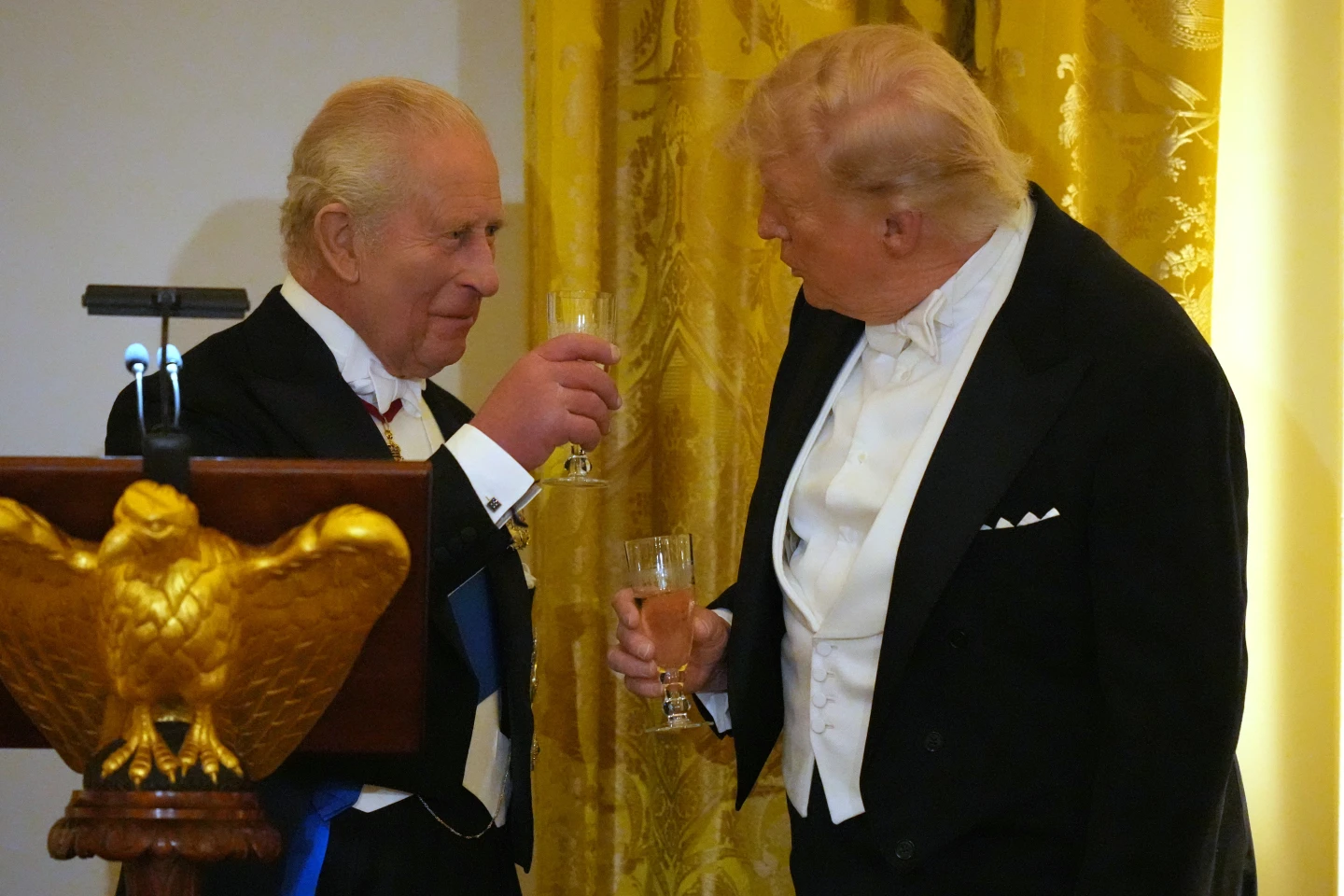
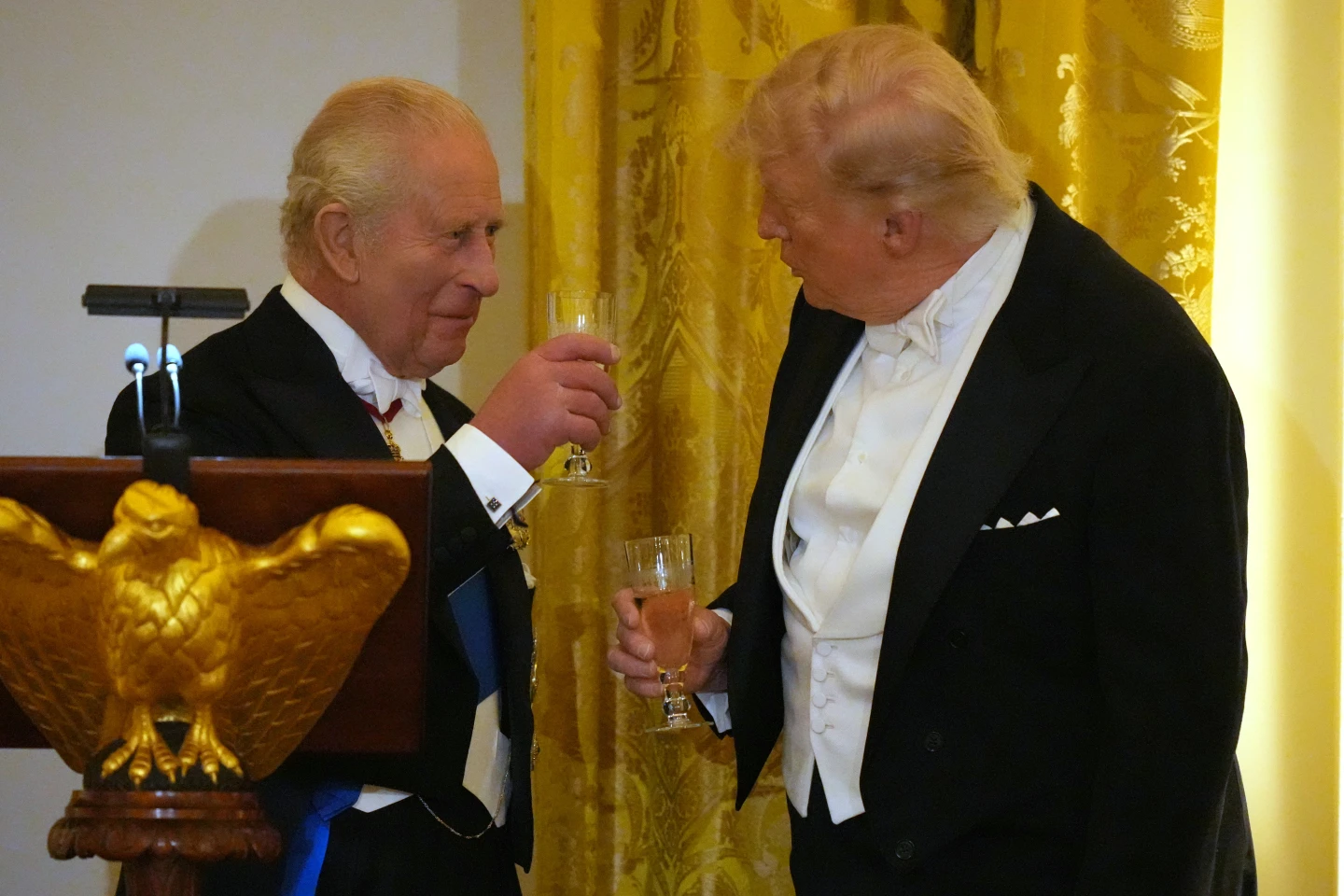
In a fresh push to break the deadlock, Iran has proposed a 30-day roadmap to end its ongoing conflict with the United States, placing a detailed framework on the table that goes beyond the current fragile ceasefire. U.S. President Donald Trump confirmed he is reviewing the proposal—but made it clear he remains unconvinced about its viability.
The plan, described as a 14-point counterproposal to Washington’s earlier nine-point framework, signals Tehran’s intent to fast-track negotiations. But it also highlights just how wide the gap still is between the two sides.
A 30-Day Deadline — But Big Demands
According to Iranian state-linked reports, the proposal calls for sweeping changes. Iran is pushing for the lifting of U.S. sanctions, the removal of naval blockades, and a full withdrawal of American forces from the region. It also seeks a halt to all military activity, including Israeli operations in Lebanon.
The proposal was reportedly sent via Pakistan, which continues to act as a quiet mediator between Tehran and Washington. While diplomatic channels remain open, progress has been slow, with Trump having already rejected a previous offer earlier this week.
For now, a ceasefire that has held for nearly three weeks remains intact—but increasingly fragile.
Strait of Hormuz: The Core Dispute
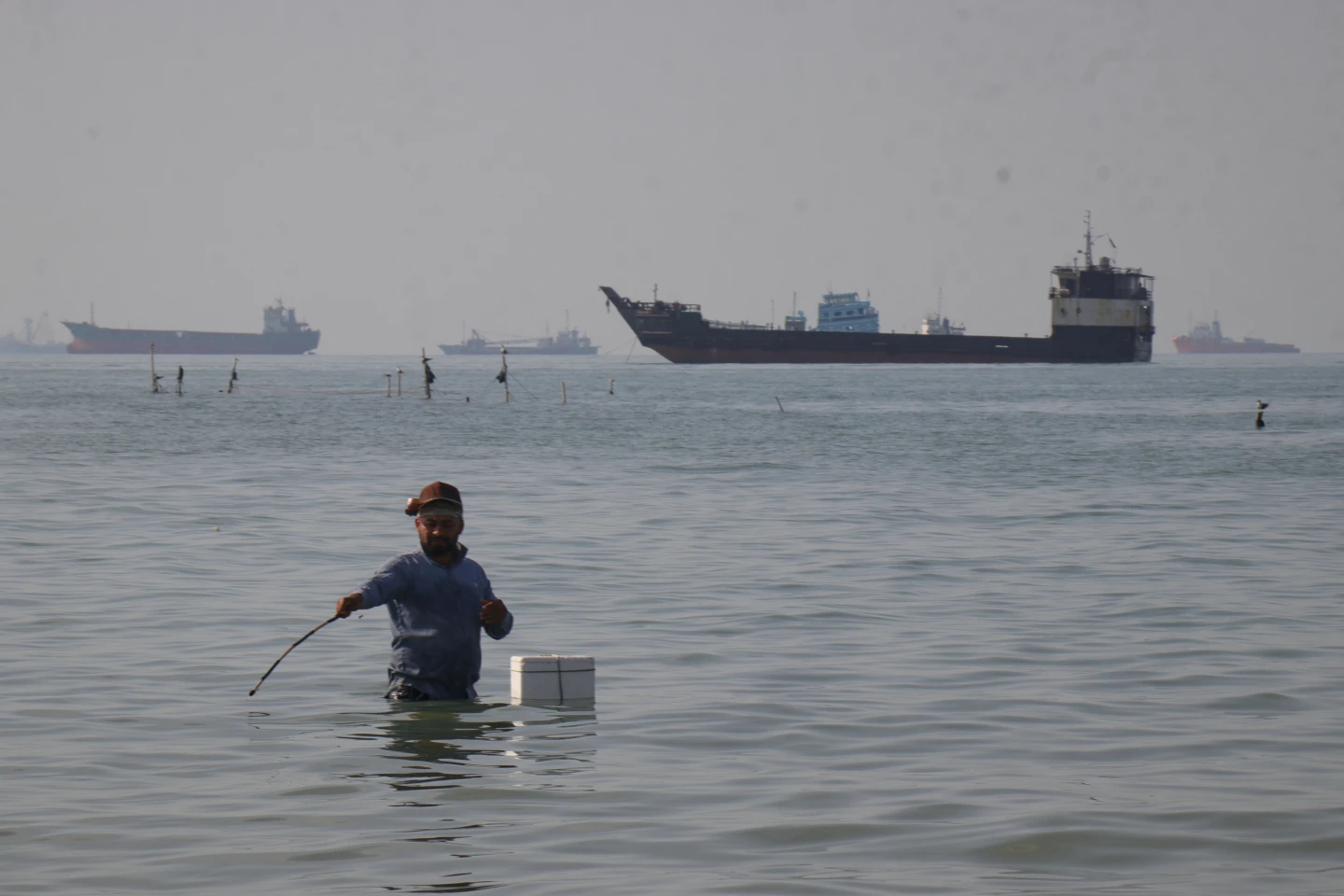
At the heart of the negotiations lies the Strait of Hormuz—a critical global energy route through which nearly 20% of the world’s oil and gas flows.
Iran’s proposal includes alternative arrangements for reopening the strait, but with conditions. Officials in Tehran insist on maintaining control, even suggesting a toll-based system for commercial vessels. The U.S., however, has warned such a move could trigger sanctions enforcement.
Washington has maintained a naval blockade on Iranian ports since April, aiming to curb oil exports. Iran, in response, has intermittently restricted shipping access—turning the strait into a high-stakes bargaining chip.
Economic Pressure Mounts Inside Iran
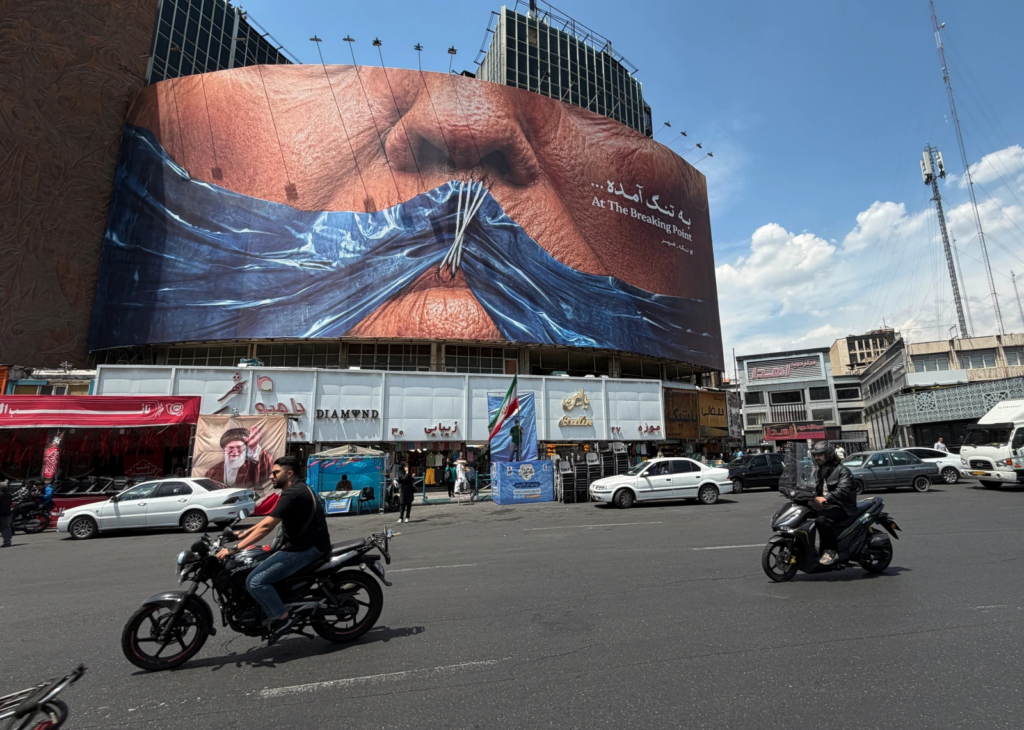
While talks continue, Iran’s internal situation is worsening. The national currency has plunged to around 1.84 million rials per U.S. dollar, down sharply from 1.3 million just months ago. Inflation fears are rising, and reports suggest growing labour unrest, with factories cutting jobs and delaying contracts.
Public frustration is building, adding pressure on Iranian leadership to secure relief through negotiations.
Human Rights Concerns Add Global Pressure
Amid the geopolitical tension, human rights concerns are also gaining attention. The Norwegian Nobel Committee has raised alarm over the health of imprisoned Nobel Peace Prize laureate Narges Mohammadi, calling for urgent medical care.

Her case has intensified international scrutiny on Iran, adding another layer of pressure as talks with the U.S. continue.
A Deal Still Far From Reach
Iran’s 30-day proposal reflects urgency but also exposes deep divisions. Key issues like sanctions, military presence, and control over strategic waterways remain unresolved.
With a shaky ceasefire in place and both sides holding firm, the coming weeks could prove decisive. For now, diplomacy is active, but certainty is not.