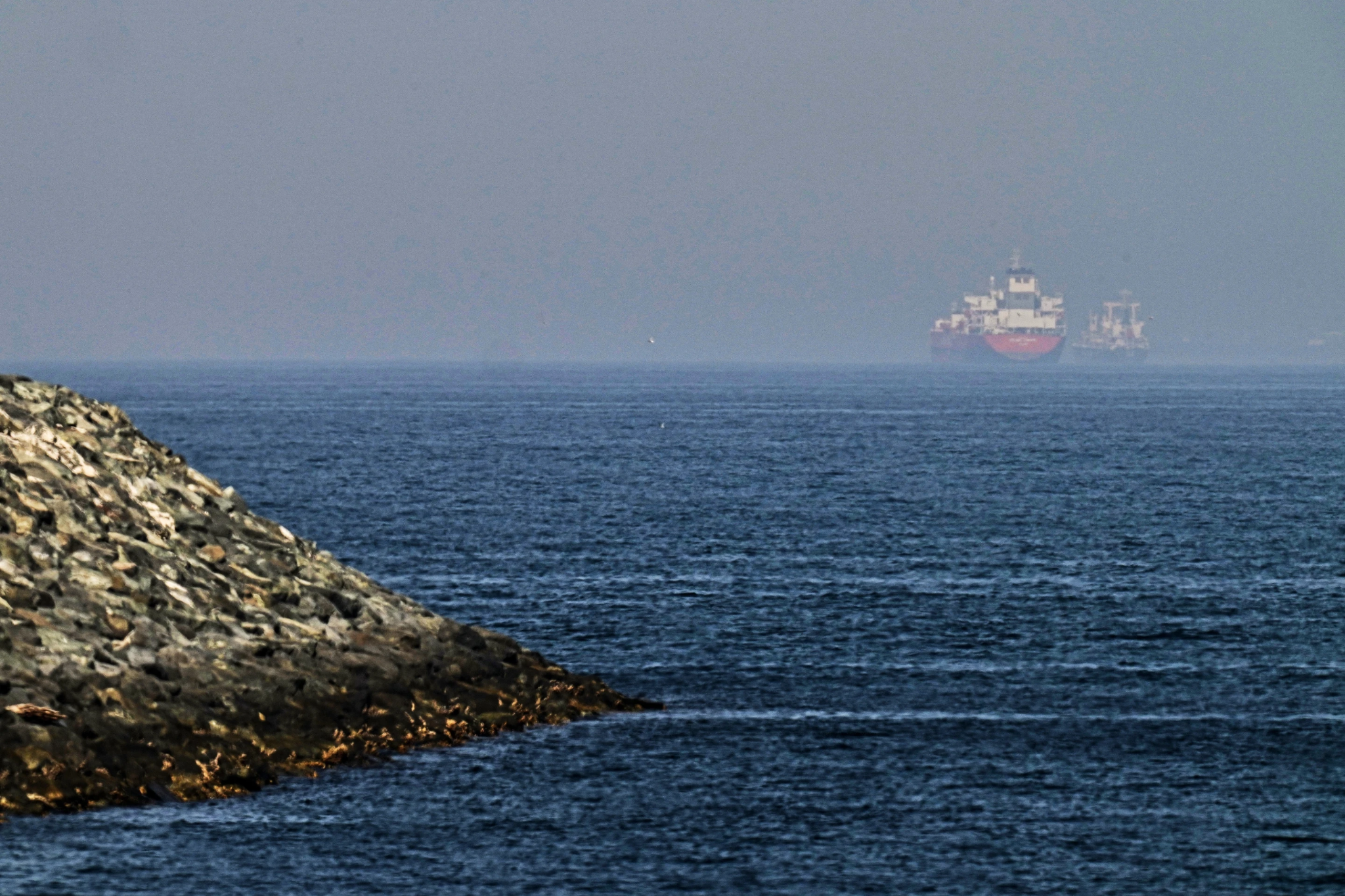
Cargo ships are seen at sea near the Strait of Hormuz, as viewed from a rocky shoreline near Khor Fakkan, United Arab Emirates, Friday, May 1, 2026. (AP Photo)
The United States has launched a new maritime effort to restore traffic through the Strait of Hormuz, one of the world’s most critical oil routes, as tensions with Iran continue to disrupt global shipping. On the first day of the initiative, vessels were advised to reroute due to safety concerns, underlining the fragile situation in the region.
US Begins ‘Project Freedom’ Operation
A day after announcing “Project Freedom,” U.S. authorities began guiding stranded commercial ships away from high-risk zones. The Joint Maritime Information Center confirmed the creation of an “enhanced security area” south of traditional shipping lanes and urged vessels to coordinate closely with Omani authorities.
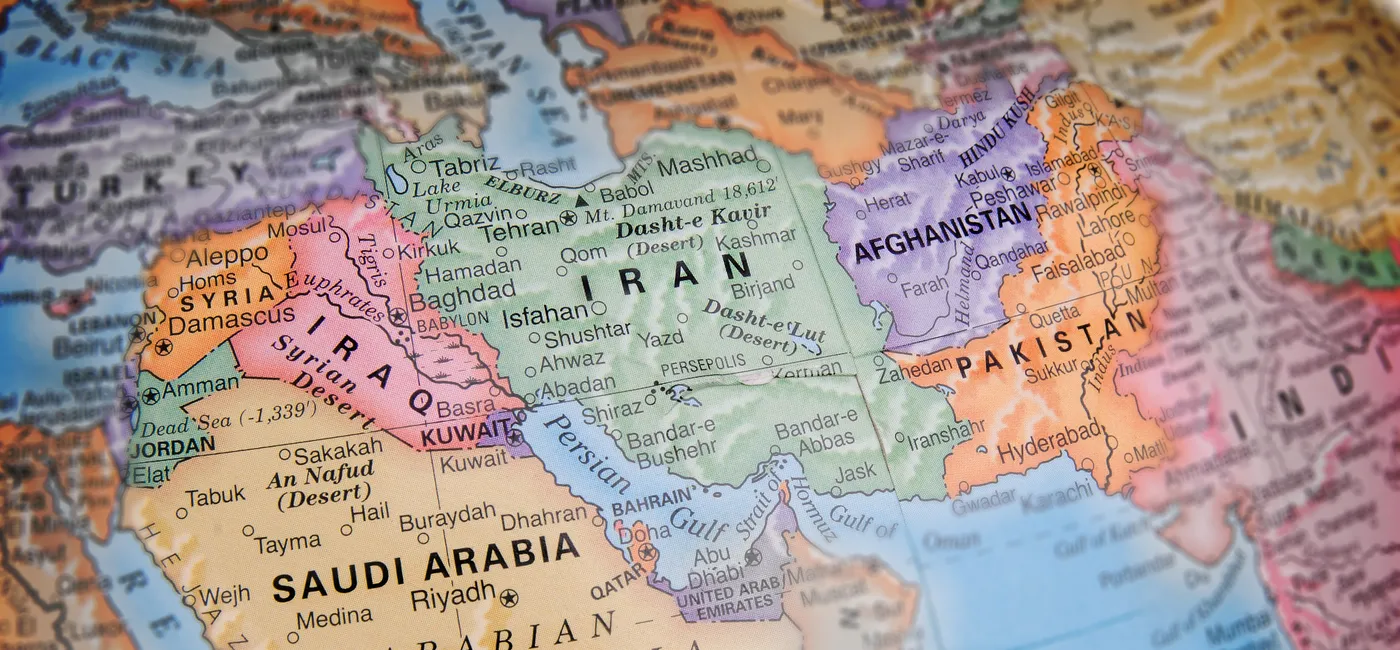
The warning was clear: usual transit routes are now considered extremely dangerous due to the presence of naval mines that have not yet been fully cleared. The Strait of Hormuz, located between Iran and Oman, remains a hotspot for ongoing geopolitical tensions.
Global Oil Route Under Pressure
The disruption of the strait—through which nearly 20% of the world’s oil supply typically passes—has become one of the most serious consequences of the ongoing conflict involving the U.S. and its allies. The uncertainty has pushed up energy volatility, affecting economies across Europe and Asia that rely heavily on Gulf oil supplies.
Dozens of ships, including oil tankers and cargo vessels, have been stranded in the region since the conflict escalated. Crew members have reported witnessing drone interceptions and missile strikes overhead while facing shortages of food, water, and essential supplies.
US Sends Strong Military Signal
The U.S. Central Command said the mission involves a major deployment, including guided-missile destroyers, over 100 aircraft, and around 15,000 personnel. President Donald Trump described the operation as both strategic and humanitarian, aimed at ensuring safe passage for “neutral and innocent” nations.
However, he also issued a firm warning, stating that any interference with the mission would be dealt with “forcefully.”
Iran Pushes Back
Iran has sharply criticised the move, with state media dismissing it as political posturing. Officials in Tehran have warned that any external intervention in the strait could be seen as a violation of the ongoing ceasefire.
Iran has also maintained its stance on controlling the waterway and has proposed a toll-based system for ships passing through—an idea strongly opposed by the U.S., which has warned of sanctions against companies that comply.
Talks Continue, But Uncertainty Remains
Diplomatic efforts are still ongoing, with Iran reviewing the U.S. response to its recent proposal aimed at ending the conflict within 30 days. However, major differences remain, particularly over sanctions, military presence, and maritime control.
Meanwhile, the U.S. naval blockade continues to limit Iran’s oil exports, adding pressure on its already strained economy. Officials in Washington believe Iran’s storage capacity is nearing its limit, potentially forcing production cuts in the coming days.
A High-Stakes Situation
With ships rerouting, military forces mobilising, and negotiations still uncertain, the situation in the Strait of Hormuz remains tense. The success of the U.S.-led operation could determine whether global trade routes stabilise—or face further disruption.